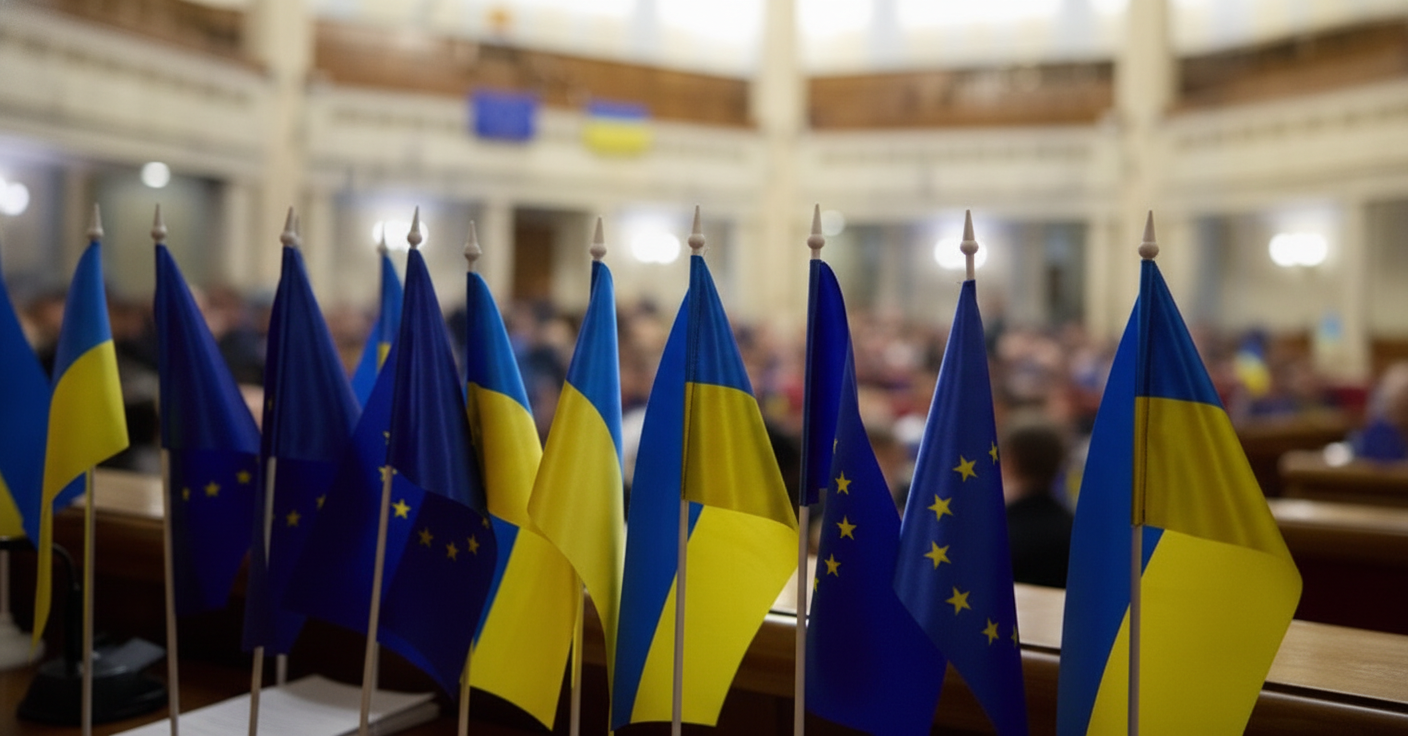
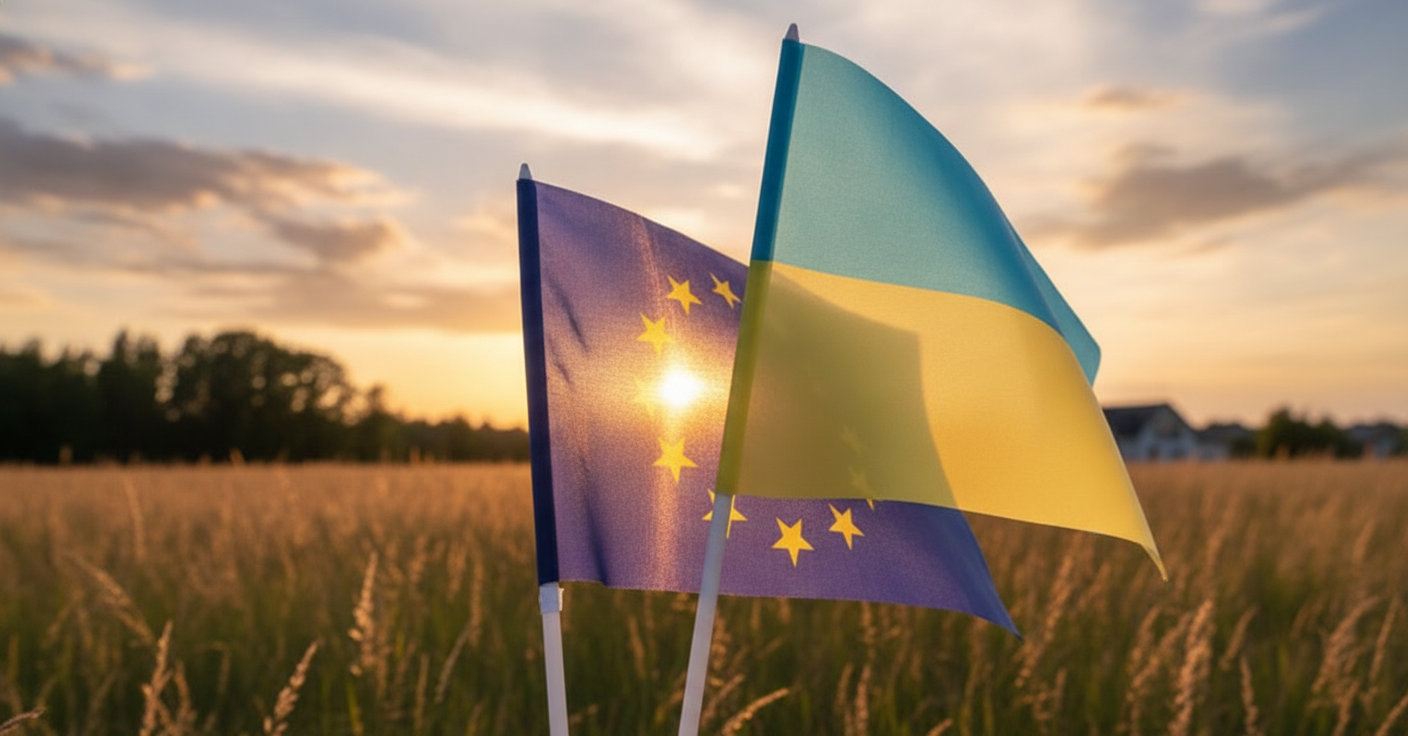
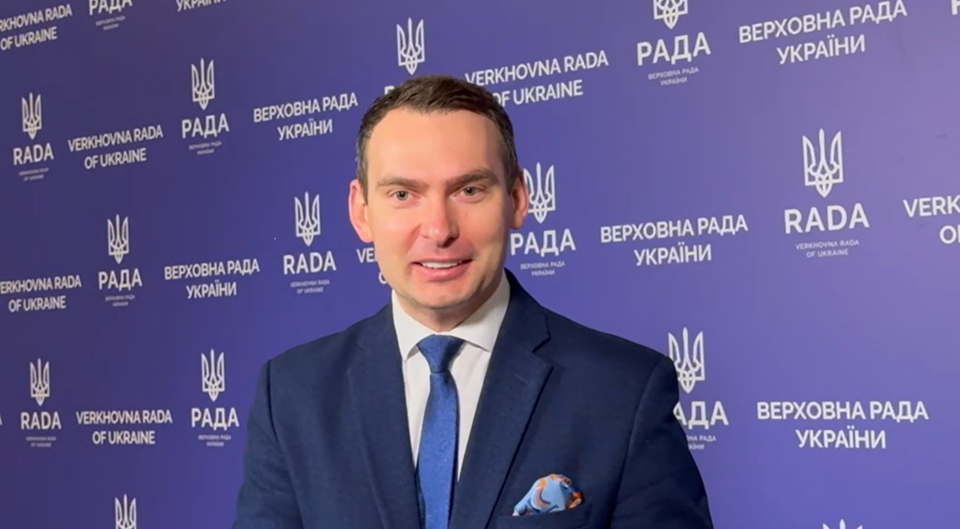
June 16 Marks the Start of Ukraine's First EU Accession Negotiation Cluster.

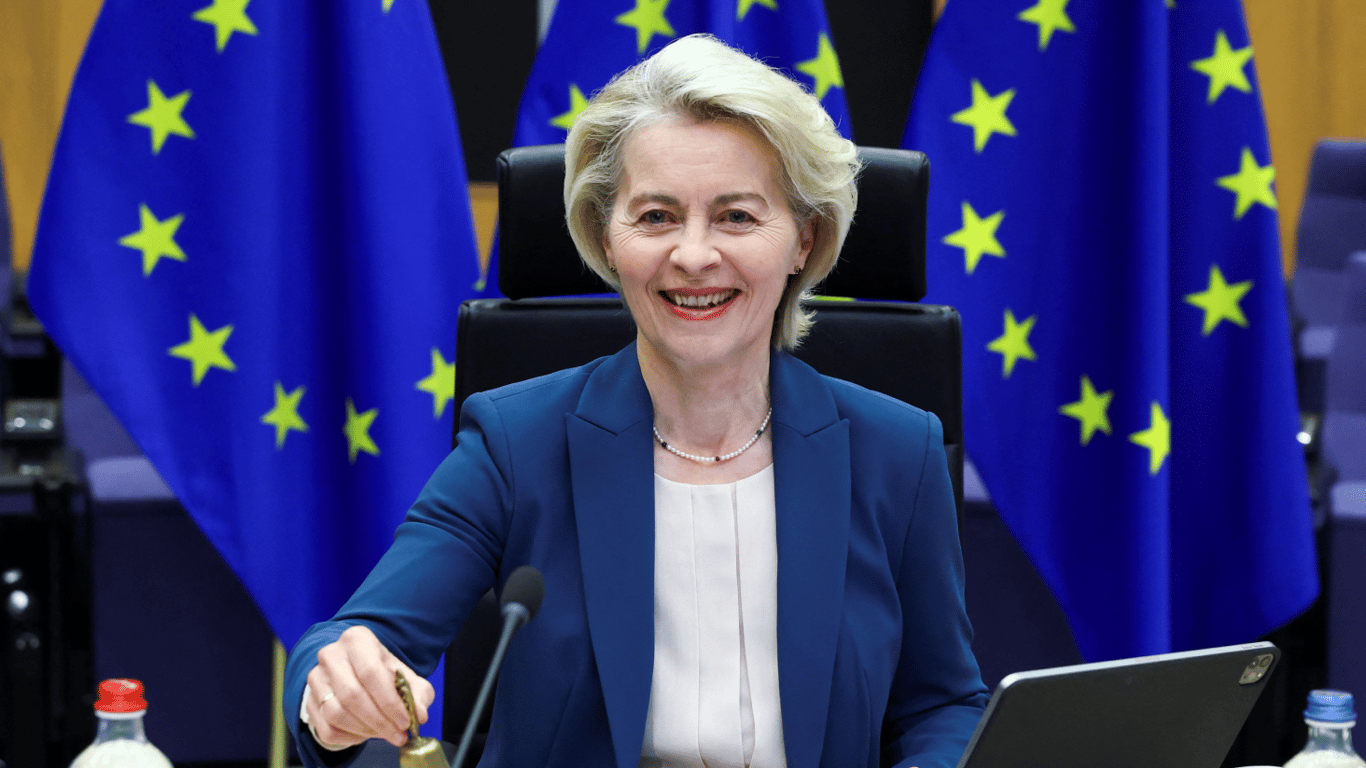
EU Integration Talks for Ukraine and Moldova
According to Novyny.live: The European Commission is set to launch the first negotiation cluster for Ukraine and Moldova's EU membership on June 16, 2023. This milestone represents a critical phase in the European integration journey of both nations, as they work to align their political and economic frameworks with EU standards. For context, this cluster approach groups related policy areas to streamline the accession process.
The initial cluster will address the following key areas:
- Rule of law
- Democratic reforms
- Public administration
- Economic stability
- Anti-corruption efforts
These topics are essential for ensuring candidate countries meet the European Union's requirements. Talks on subsequent clusters for Ukraine and Moldova could begin as early as July 2023, underscoring both nations' commitment to joining the European community.
Hungary's Stance and European Leaders' Statements
A significant factor in this process is Hungary's position. Former Hungarian Prime Minister Viktor Orbán had previously blocked decisions on Ukraine's EU integration. However, following parliamentary elections, Péter Magyar has taken office as Hungary's new prime minister, which may signal a shift in the country's approach to EU enlargement.
European Parliament President Roberta Metsola emphasized that 'the pace of EU integration must match the speed of reforms implemented by Ukraine.'
This remark reflects the EU's expectations regarding the commitments candidate countries must fulfill to successfully progress through the integration stages.
In summary, the opening of the first negotiation cluster marks a significant step for Ukraine and Moldova on their path to European integration, creating new opportunities for both countries to implement reforms and achieve stability.
This process is important not only for Ukraine and Moldova but also for existing EU member states, as the successful integration of new members can strengthen economic and political stability in the region. Developments in both countries' EU integration efforts may also influence the EU's relations with other neighboring nations pursuing similar reforms.
Read also
- Hungary Moves to Cap Lawmaker Terms: Madjar Pushes 17th Constitutional Amendment
- Hungary Blocks Ukraine’s EU Accession Again—Key Milestone Delayed
- Hungary Opposes Fast-Track EU Membership for Ukraine: Key Details Emerge
- Orban Warns EU Against Rushing Ukraine Talks — Here’s What’s Wrong With the Negotiation Clusters
- EU Greenlights Accession Talks with Ukraine After Hungary's New Prime Minister Drops Veto
- Despite Election Defeat, Orban Retains Fidesz Leadership: Party Congress Decision