Protests in France: over 150 arrests and chaos in major cities.

Protests in France: more than 150 arrests
According to The Sun: Today, France witnessed fierce protests in which the police arrested over 150 people.
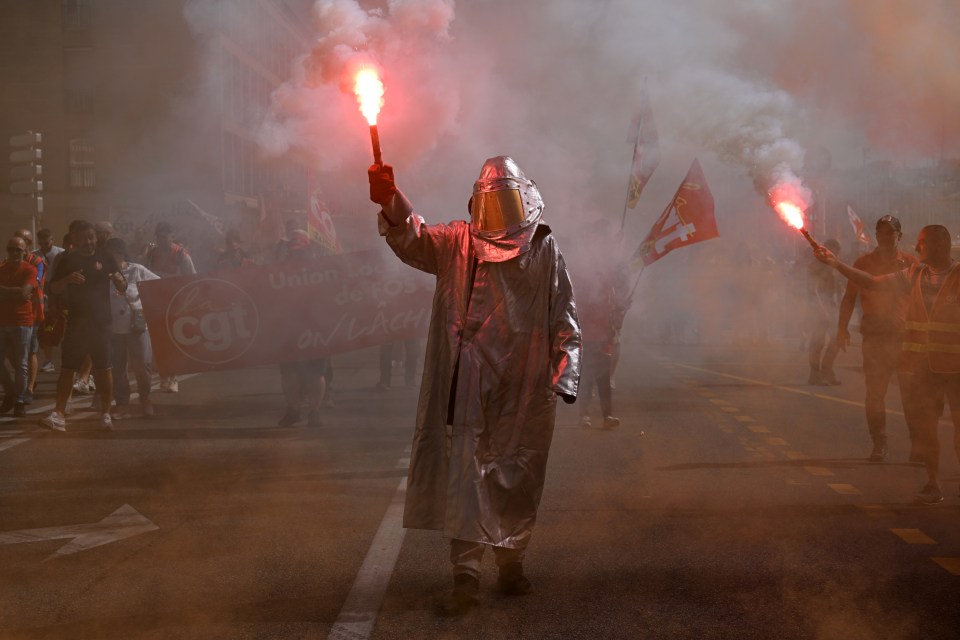
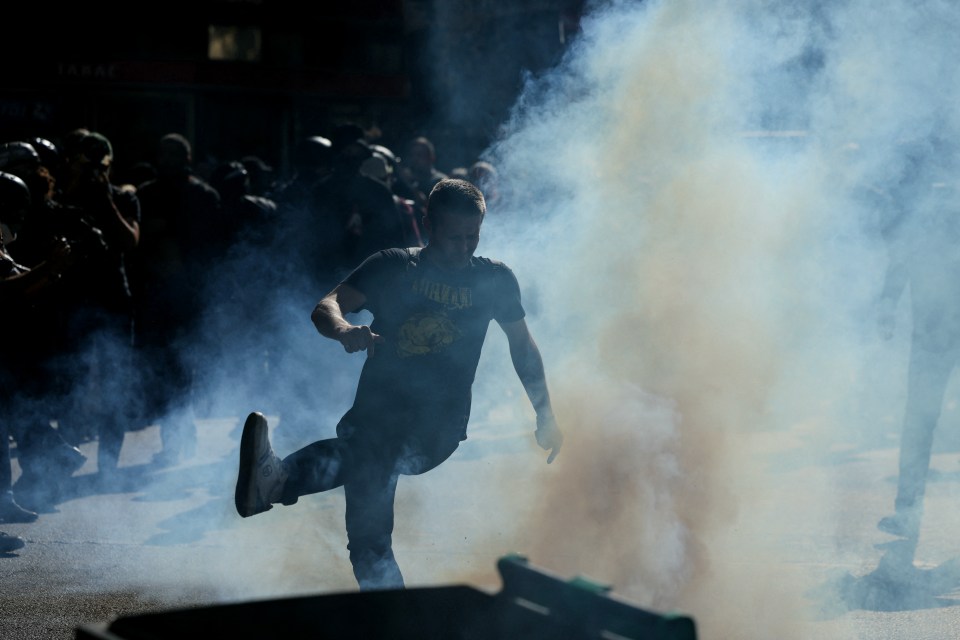
Scenes of chaos were observed in Paris, Marseille, Lyon, and Toulouse. Demonstrators set fire to barricades, used tear gas, and the sidewalks were damaged. Union representatives termed this day 'Black Thursday'.
AP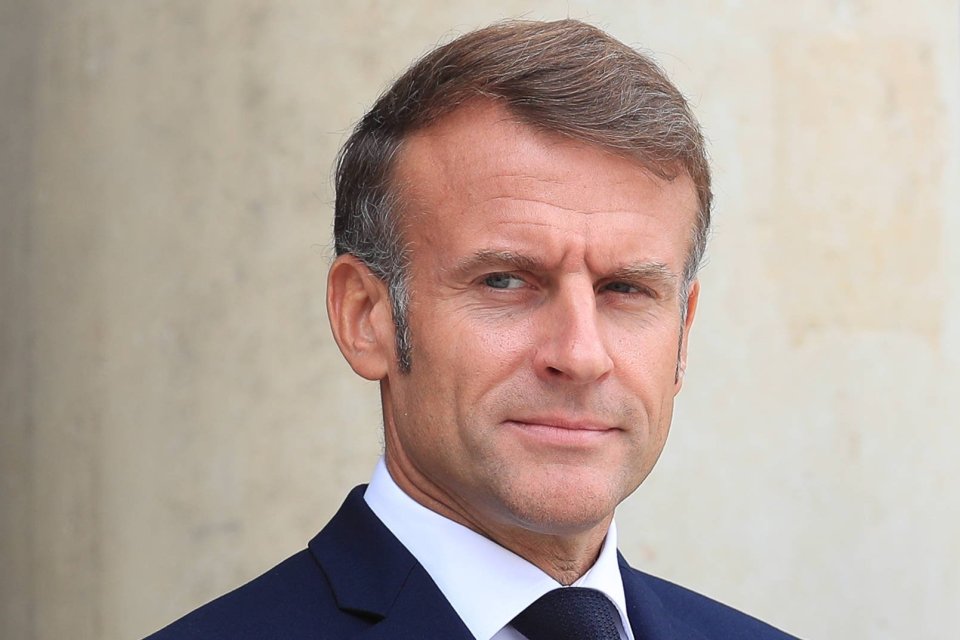 EPA
AFP
EPA
AFP
About a million people were expected to take to the streets against Emmanuel Macron's government due to planned budget cuts of £40 billion. In Paris, protesters set fire to wooden pallets near the Gare du Nord station, and masked students lit red flares and blocked entrances to schools.
Amid the protests, the Eiffel Tower was closed, metro trains were not in operation, and bus drivers, teachers, and medical workers left their jobs.
Shouts of “Macron, resign!” were heard.
“The police fear an invasion at Gare du Nord, so they are blocking it themselves,” said Sud-Rail activist Anas Kazib.
The government mobilized 80,000 police and gendarmes, who received assistance from 24 armored vehicles, 10 water cannons, and drones. Paris police chief Laurent Nunez expressed “serious concern” about the possible infiltration of ultra-left groups among the protesters.
“Many arrests are preventive – people come with the intention of causing disorder, including tools,” confirmed a police representative, reporting about 150 arrests nationwide.
As of noon, the Ministry of Interior reported 94 arrests, including 15 in Paris, as protesters attempted to block the bypass route and metro lines.
Union members even stormed the Ministry of Finance, lighting smoke bombs and shouting: “Bercy, you lost, workers on the streets.”
Strikes and fears of violence
Strikes severely impacted the functioning of the country: a third of teachers joined the protests, 90% of pharmacies closed, and metro traffic was reduced to a minimum. Railway workers threatened strikes, but chaos in air traffic was avoided when the controllers postponed the strike to October.
The government is preparing for possible further disturbances. Interior Minister Bruno Retailleau warned: “The risks of civil disorder are significant.”
Discontent is triggered by the proposed budget plan for next year, which was made by former Prime Minister François Bayrou, who fell during the vote of confidence on September 8. His successor, Sébastien Lecornu, refused to cancel two public holidays, but did not exclude radical cuts to benefits, including in the social security and healthcare systems.
Sophie Bique, head of the CGT union, criticized Macron's tough policy as “unprecedented cruelty” towards “workers, the unemployed, retirees, and the sick.”
She welcomed the refusal to cancel holidays as a “victory,” but warned that “no other catastrophic measures from François Bayrou's horror museum have been canceled.”
Shutterstock Editorial
Macron's reforms are being implemented against the backdrop of France's debt burden of £3 trillion — 114% of GDP — and after Fitch downgraded the country's credit rating last week.
Lecornu attempted to ease critical sentiments among the opposition with moves such as canceled “lifetime payments for former prime ministers,” which cost the state £4 million a year, but unions remain resolute.
This protest echoes the “yellow vests” uprising of 2018-2019. However, analysts note that the new wave of protests is driven by young participants who demand “greater social justice and less inequality.”
Fred, a bus driver and CGT representative, noted: “Workers do not seem to have respect from this government and Macron; this cannot continue.”
Teacher Gaetan Lege also supported: “I am here to defend public services, particularly to demand that public funds are used for public services… instead of large companies or tax gifts for the super-rich.”
For many people, discontent runs deep.
“Youth is the future; the older generation has left us only a terrible world, a terrible government,” said 21-year-old student Alice Moren. “We must fight for change and dance on the ashes of the old world.”
Despite the chaos, most French people support the protest. A BFMTV poll showed that 56% of people support or sympathize with the strike, which is slightly higher than during the mass pension protests of 2023.
 Shutterstock Editorial
AFP
The large-scale protests in France are striking in their intensity and popularity. The critical mood of citizens towards government policy reflects broader societal trends, where many people are concerned about the future, especially in the context of economic instability. The events of recent days may become an important catalyst for further changes in the country, and all participants in the political process should take these sentiments into account.
Shutterstock Editorial
AFP
The large-scale protests in France are striking in their intensity and popularity. The critical mood of citizens towards government policy reflects broader societal trends, where many people are concerned about the future, especially in the context of economic instability. The events of recent days may become an important catalyst for further changes in the country, and all participants in the political process should take these sentiments into account. Read also
- Russia Deploys New Jet-Powered Drones Capable of Reaching 500 km/h
- EU Ambassador Details Aftermath of Devastating July 2 Strike on Kyiv
- French Court Fines Tanker Owner €1 Million for Violating International Sanctions
- Ukraine’s General Staff Rejects Russian False Claims of Bus Attack: Key Details
- Russia Is 'Running Out of Steam': Expert Explains Drop in Missile Strikes
- Russian Offensive Slows to 50 Meters Per Day as Moscow Loses Ground