France's Prime Minister Bayrou has lost a vote of confidence: what will happen next with the country.

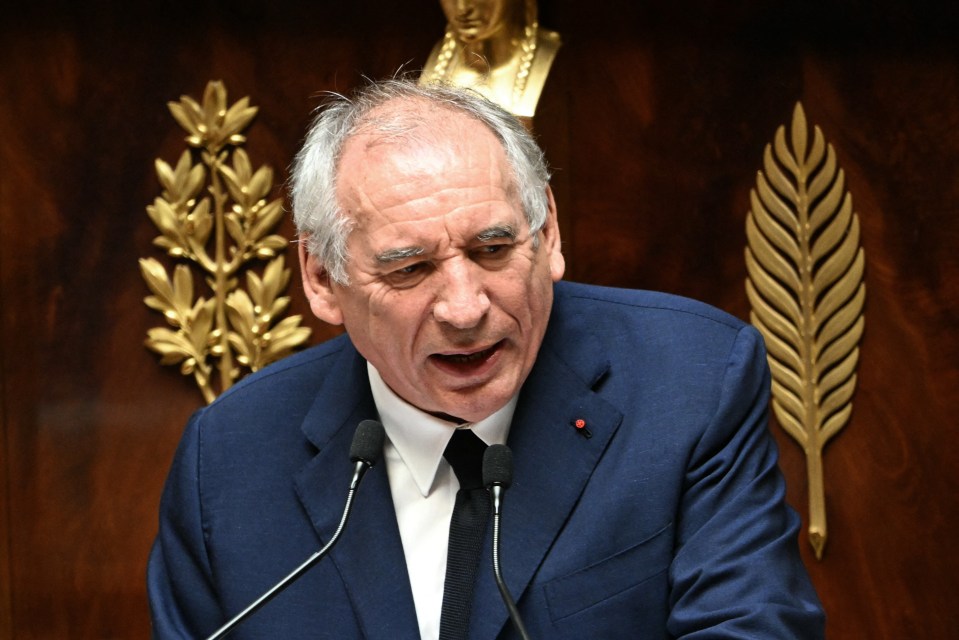
According to The Sun: France has lost stability after the Prime Minister's defeat in the confidence vote.
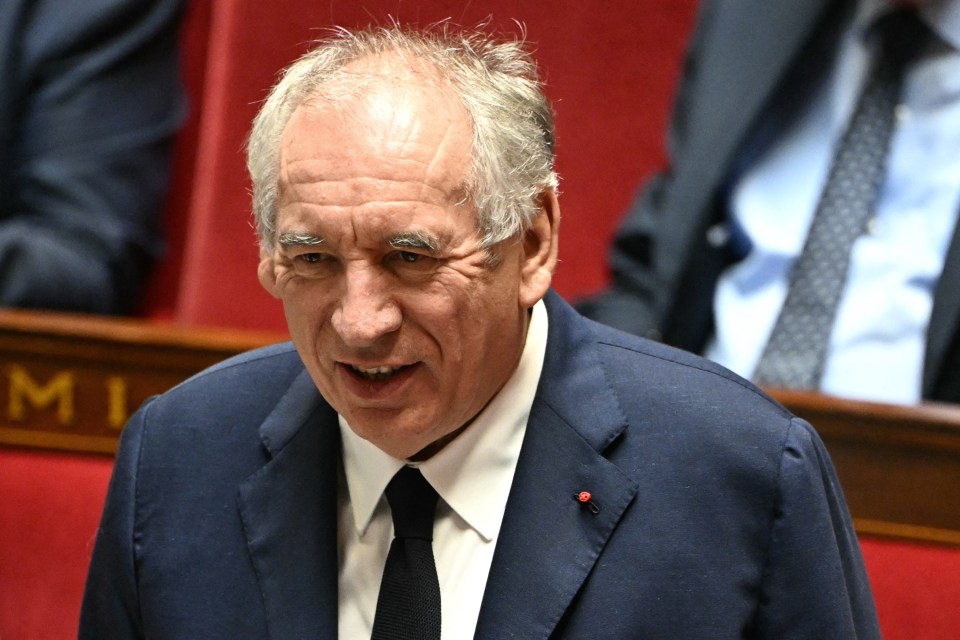
François Bayrou, appointed by President Emmanuel Macron last December, has now left his position following the deputies' vote on his resignation.
GettyThe parliament has been struggling for several months, as Macron announced early elections for the summer of 2024.
 AFP
AFP
Details of the Confidence Vote
The 74-year-old Bayrou initiated the confidence vote himself, understanding that he probably wouldn't win it.
This occurred against the backdrop of significant parliamentary criticism regarding his harsh budget, aimed at cutting state spending by 44 billion euros.
“The entire model of our nation needs rethinking,”
said Bayrou during his last attempt to hold on to his political career.
“This debt has its cost,”
he warned.
He also pointed out the danger that the youth of France could fall into a debt trap “for the comfort of the boomers” if the government does not take control of the situation.
Currently, the debt-to-GDP ratio in France stands at 114%.
Political Consequences
France is likely to soon have its sixth Prime Minister in five years.
Bayrou's predecessor, Michel Barnier, served only three months and is known for his involvement in Brexit negotiations.
Very different political forces, including ultra-left and ultra-right factions, gained significant advantages in the last elections, complicating the formation of a stable government.
“This crisis was provoked by President Emmanuel Macron and those who worked for him,”
stated Marine Le Pen, emphasizing the instability of the situation in the country.
Macron now has several options for action: appoint a new Prime Minister or call for new early elections.
Reasons for Chaos in France
France has been witnessing a political stalemate for over a year, starting last summer.
Emmanuel Macron unexpectedly called for early elections, which led to unpredictable consequences.
His moderate faction lost dozens of seats in parliament due to the rise in support for the far-right party.
As a result, no party has been able to form a stable coalition.
This complicates decision-making in light of the growing debt crisis.
Read also
- Russia Deploys New Jet-Powered Drones Capable of Reaching 500 km/h
- EU Ambassador Details Aftermath of Devastating July 2 Strike on Kyiv
- French Court Fines Tanker Owner €1 Million for Violating International Sanctions
- Ukraine’s General Staff Rejects Russian False Claims of Bus Attack: Key Details
- Russia Is 'Running Out of Steam': Expert Explains Drop in Missile Strikes
- Russian Offensive Slows to 50 Meters Per Day as Moscow Loses Ground