Ukraine's General Malomuzh on How Unconventional Tactics in Kursk Disrupted Russian Strategy.

The Critical Role of Unconventional Military Tactics
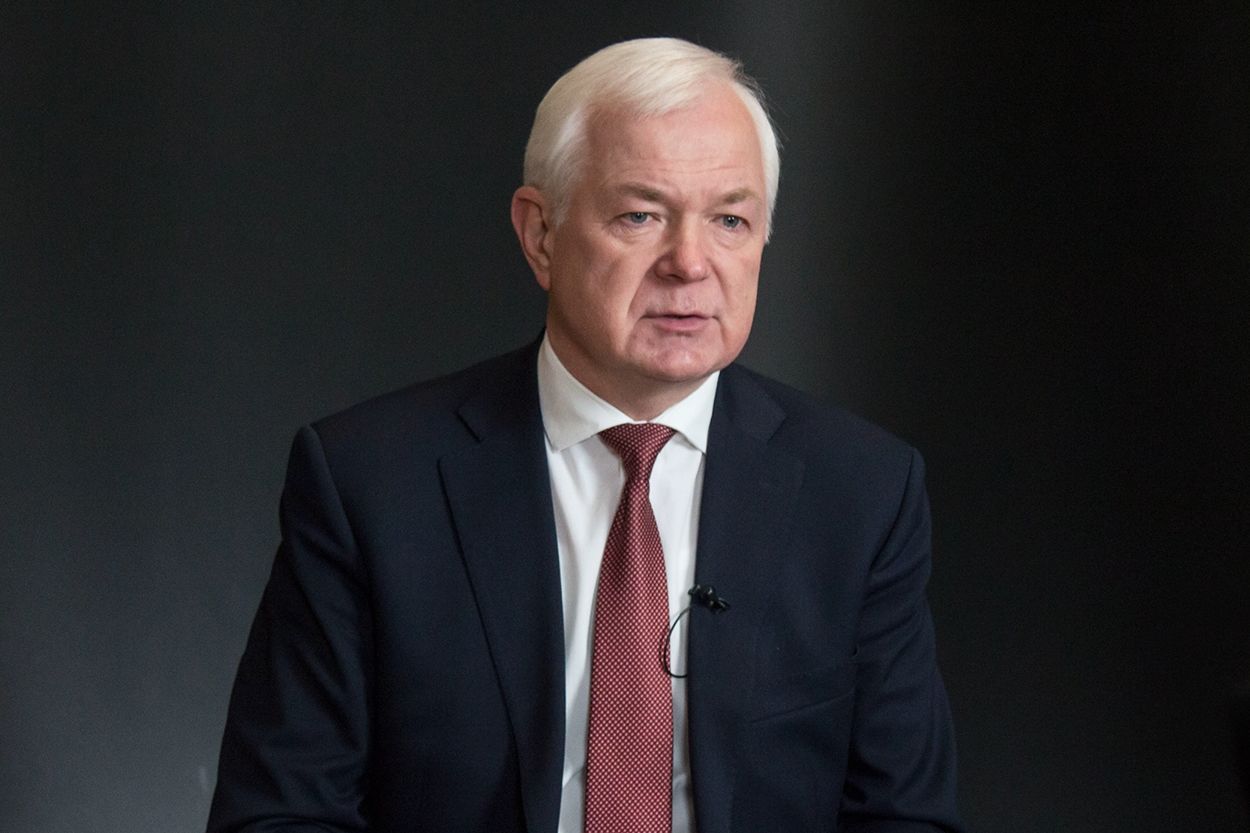
According to UATV: Ukrainian Army General Mykola Malomuzh has highlighted the necessity of unconventional military tactics to achieve strategic success, citing the recent Kursk operation as a prime example. This offensive inflicted significant damage on enemy forces and altered the strategic situation in Ukraine. Malomuzh noted that the Kursk operation succeeded in diverting and destroying over 60,000 Russian troops who otherwise could have been deployed to the Donetsk region. The operation not only caused serious enemy losses but also sowed panic in the Kremlin, leading to disarray among Russian forces.
According to Malomuzh, Russia had planned to concentrate between 250,000 and 300,000 troops on key fronts, but managed to assemble only about 170,000. This demonstrates how unconventional tactics can severely disrupt an adversary's military deployment and force structure. The use of such surprise maneuvers is a hallmark of modern asymmetric warfare, where smaller forces seek to offset a larger opponent's advantages.
Tactical Format and Strategic Execution
General Malomuzh also emphasized the importance of tactical format, stating that
"strikes must be parallel—targeting Kursk, Bryansk, and Belgorod regions simultaneously"- Mykola Malomuzh. He stressed that even in its executed format, the Kursk operation 'worked powerfully.' Malomuzh pointed to the necessity of attacking where the enemy least expects it, referencing the 'tactical format of Dobropillia' as a model.
Thus, the strategy of unconventional tactics advocated by Mykola Malomuzh has proven its effectiveness in the context of the current military conflict and could become a key element in countering Russian aggression. The importance of these tactics underscores the need for strategic adaptation in response to dynamic battlefield conditions. In modern conflicts, where speed and unpredictability can determine the outcome, such approaches can provide Ukraine with a crucial advantage in its fight for sovereignty. Given the experience of the Kursk operation, similar methods could prove valuable in other key regions where hostilities are ongoing.
Read also
- Azerbaijani President Aliyev's Statements on Ukraine Garner 1.9 Million Views at Shusha Media Forum Featuring Ukrainian Outlets
- Syrskyi’s Criticism of Military Contracts: What Changes After His Dismissal
- Ukrainian Foreign Minister Holds Talks with European Counterparts on Black Sea Security and Air Defense
- Ex-Defense Minister Fedorov Sets Sights on Only One Role: No Other Positions Under Consideration
- Ireland Pledges €125 Million to Ukraine: What the New Aid Package Includes
- Next EU Sanctions Package on Russia: Zelenskyy Thanks Brussels for Round 21