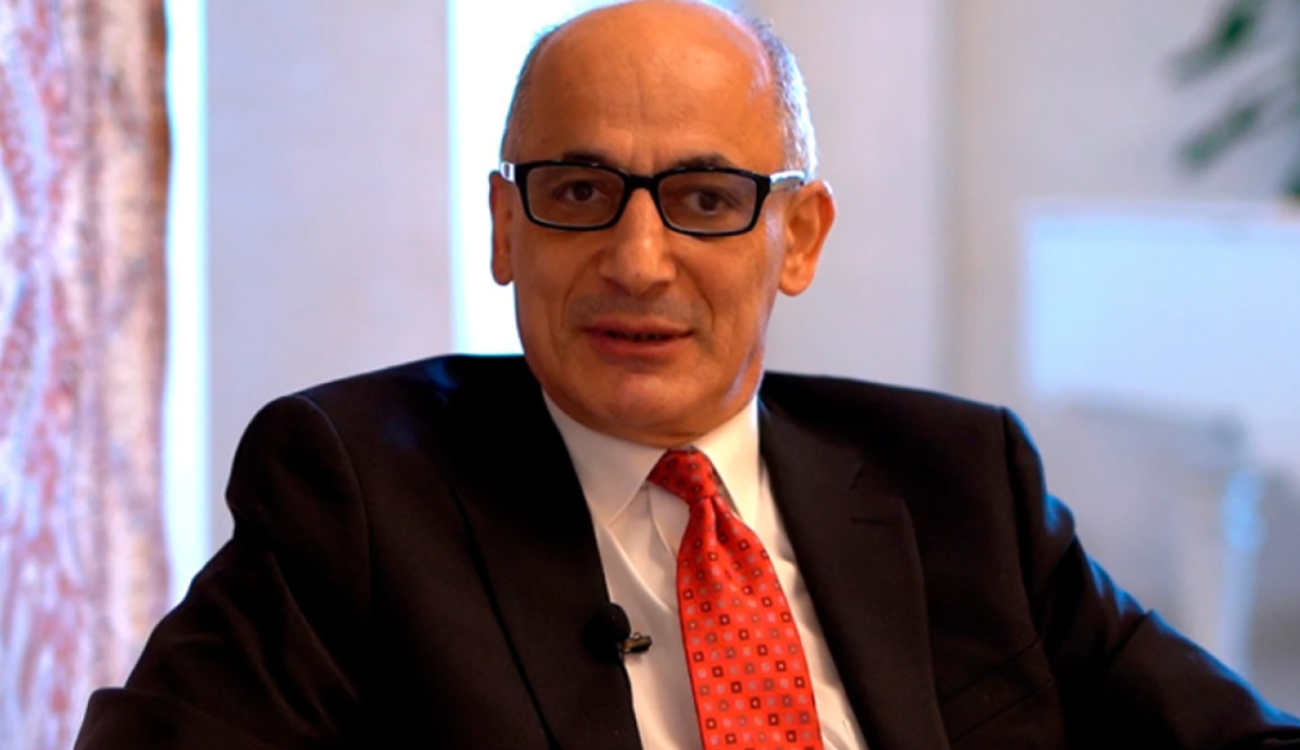
The Attorney General explained how the law on NABU and SAP will work.

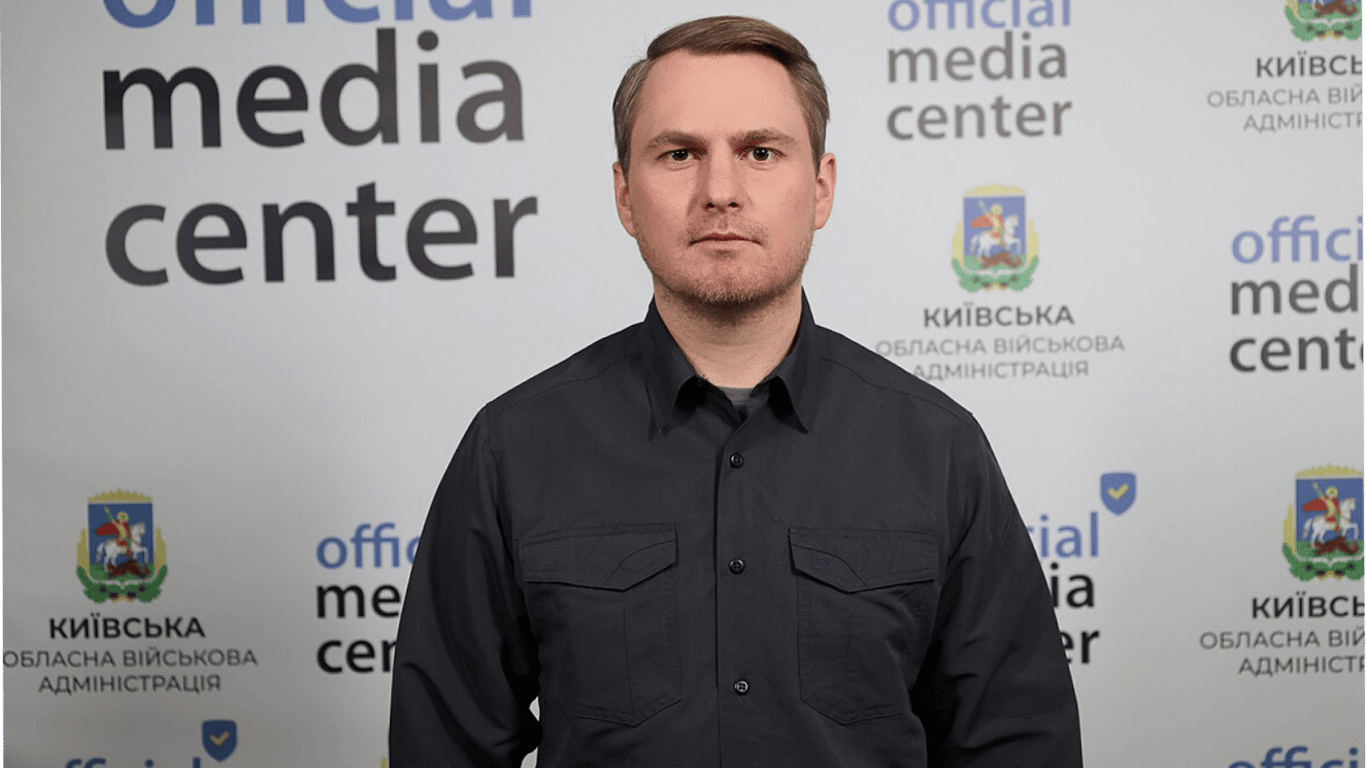
The Attorney General Ruslan Kravchenko explained how changes in legislation will affect the activities of the National Anti-Corruption Bureau and the Specialized Anti-Corruption Prosecutor's Office. From now on, these bodies will not be subordinated to the Attorney General.
How it will work
According to Kravchenko, laws are passed by deputies, and the adopted law No. 12414 stipulates that NABU and SAP will not be subordinate to the head of the prosecutor's office. They remain autonomous and will operate within their powers, mutually assisting each other.
'They are not subordinate to me. NABU is definitely not subordinate. SAP, in connection with the changes, we are one system: one body of the system of prosecutorial bodies. SAP, according to the Law of Ukraine 'On the Prosecutor's Office' as it was, remains in the status of a department. And we will be one family,'
The decision of the Verkhovna Rada to adopt law No. 12414, which occurred on July 22, is aimed at strengthening control over NABU and SAP. The document was signed by the speaker of parliament Ruslan Stefanchuk and the president of Ukraine Volodymyr Zelensky. EU Commissioner Marta Kos expressed outrage at this decision and emphasized the need for further reforms in the field of the rule of law.
After the adoption of the law, NABU and SAP remain autonomous bodies, not subordinate to the Attorney General, but united in one system of prosecutorial management, which will facilitate the fight against corruption in the country.Read also
- 11 Major Issues Signal Zelensky’s Losing Grip on the Military
- At Kyiv Summit, Zelensky Urges Europe to Maintain Pressure on Russia Through Sanctions
- CIA Director: Russian Soldiers Survive Only 30 Minutes on the Frontline
- US Greenlights License for Patriot Missile Production in Ukraine
- New Ukrainian Government Appointed: Here Are the Ministers Who Got the Jobs
- Zelenskyy Unveils New Government: Key Appointments in the Koretskyi Cabinet