Gref Calls for Rate Cut in Russia as Investment Collapses.

Russia's Economic Landscape
According to Espreso.tv: On Wednesday, October 25, 2023, Hermann Gref, speaking at Sberbank's shareholder meeting, argued for lowering interest rates in Russia. He pointed to slowing economic activity and struggles within the energy sector as reasons to reassess current financial policies. According to Gref,
“an economy cannot endure for long under extremely high real rates. We have already overcooled the economy, and the rate must be reduced.”
Russia’s real interest rate currently sits at around 10%. However, with investment activity already down by more than 14%, such a high rate risks further slowing the economy. Gref emphasized that
“tight monetary policy is already taking a toll on investment activity.”Forecasts suggest that by 2026, the volume of investments could drop by an additional 2–3%.
Budget Deficit and Energy Sector Woes
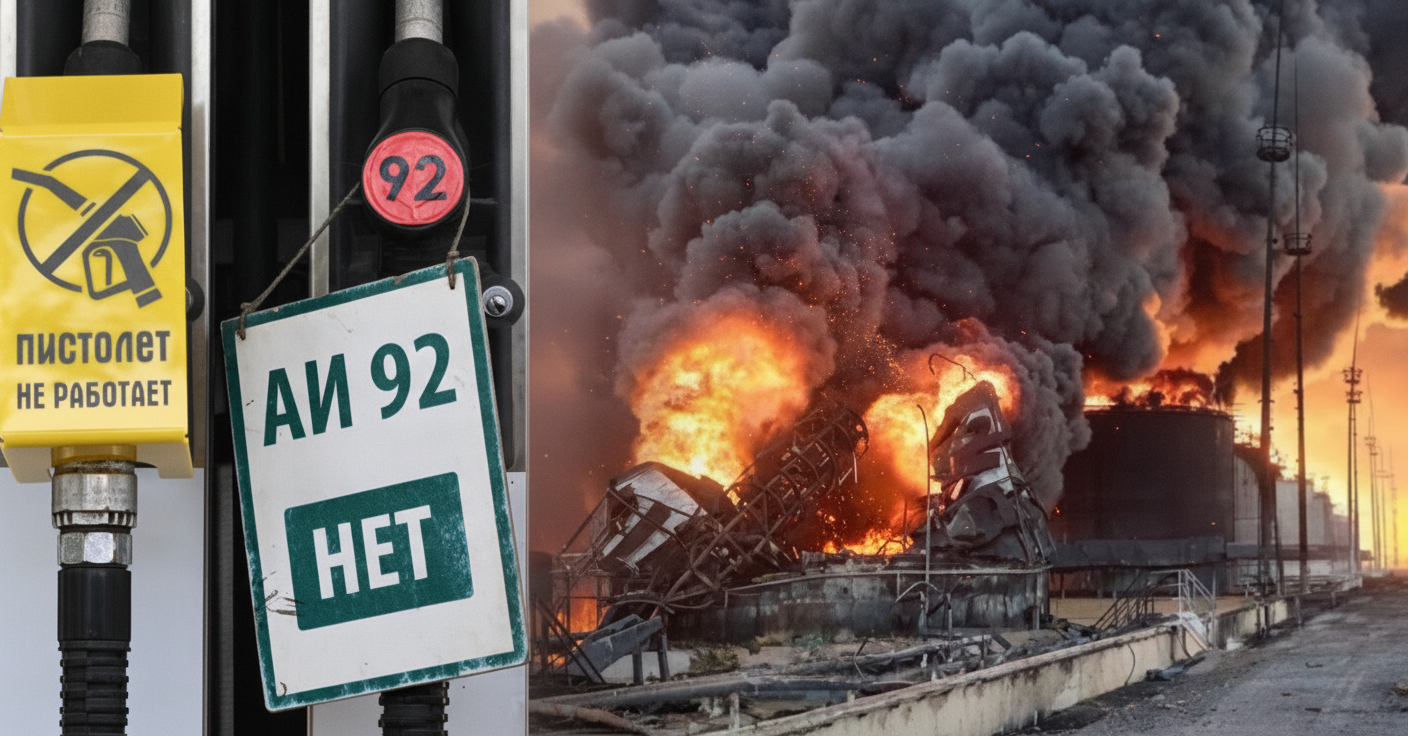
Russia’s economy is grappling with a severe budget deficit, which reached 5.9 trillion rubles in the first four months of 2026. A 40% increase in war-related spending compared to the original 2026 budget plan has further strained finances. Despite this deficit, Russia’s pipeline oil exports rose by 22% month-over-month. In contrast, gasoline production in June 2026 fell by 25% year-on-year, highlighting ongoing challenges in the energy sector.
Gref noted that “the key to corporate investment activity” lies in shifting current policies, which could help stabilize the economy. With Russia losing at least $7 billion since early 2026 due to strikes on its oil refining infrastructure, finding effective solutions to revive the investment climate has become critical.
Gref’s remarks reflect growing concern over Russia’s economic trajectory, driven by escalating war costs and energy sector difficulties. Lowering interest rates may serve as one tool to spur investment and boost economic activity. However, the success of such measures will depend on potential shifts in domestic and foreign policy, as well as global economic conditions.
Read also
- Fuel Shortage Spreads Across Russia as Moscow Diverts Siberian Gasoline Supplies
- Russia Sells Off Gold at Record Pace: Central Bank Unloads 44 Tons in Six Months
- Russia’s Wheat Exports Set to Hit Lowest Level Since 2017 – Here’s Why
- Wildberries Warehouse Fires Cause 180 Billion Rubles in Damages: Assessing Russia's Losses
- Kazakhstan Oil Exports at Risk as Caspian Pipeline Shuts Down Operations
- Asian gasoline imports mark Russia's fuel crisis spanning 11 time zones