Greens Prices in Odesa Spike Due to Cold Snap and Temperature Swings.

Price Shifts at the Cheremushky Market
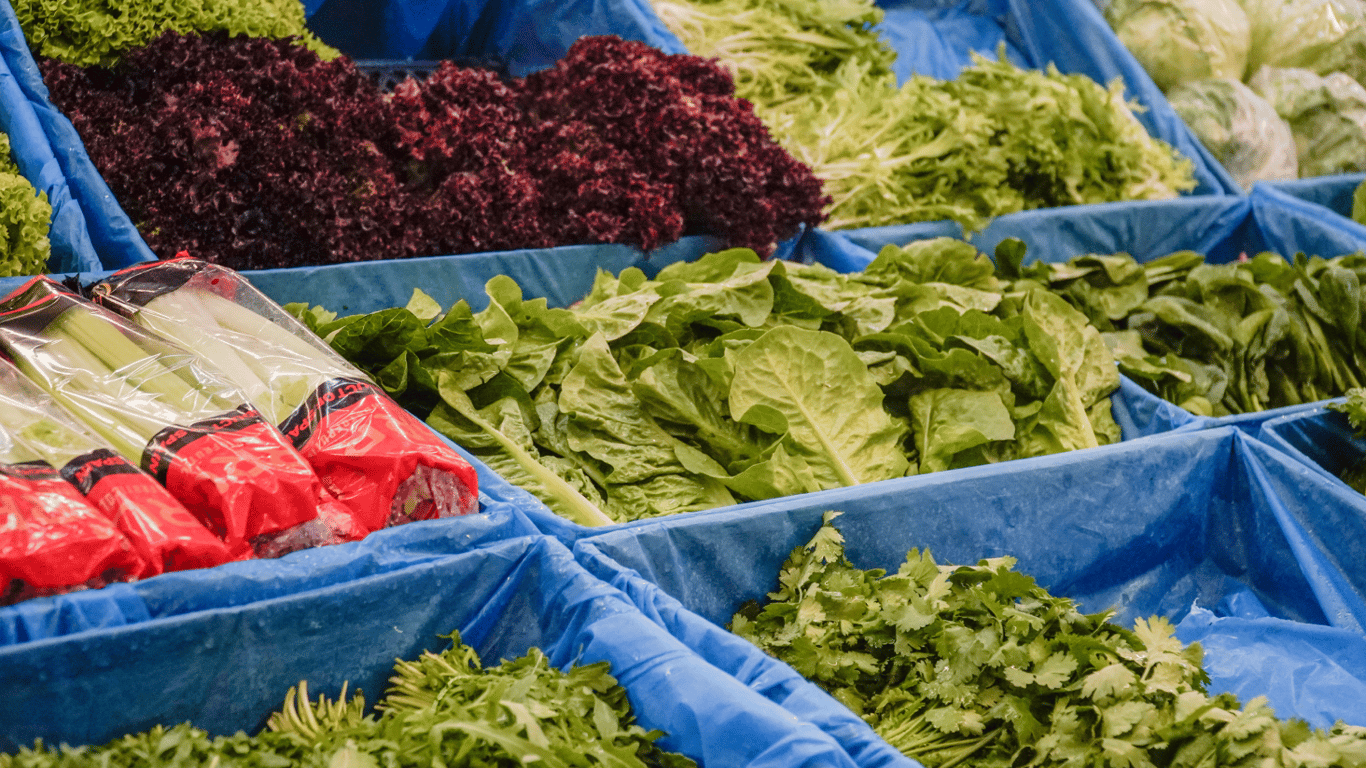
According to Novyny.live: A recent cold spell and fluctuating temperatures have driven up the cost of fresh herbs at Odesa's Cheremushky market. The price increase is partly due to a greater reliance on imported produce, as local Ukrainian fields have yet to recover from the frost. For shoppers, this means a bundle of dill, green onion, or parsley now costs between 10 and 15 hryvnias. Spinach is priced at 20 hryvnias per bunch, while sorrel costs 25 hryvnias. Prices for various salad greens range from 20 to 25 hryvnias per bunch.
Vendors at the market note that imported greens currently dominate the stalls because domestic harvests have been damaged by the cold. One seller explained:
“We have dill, green onions, parsley. Most bunches are 15 hryvnias. There is cheaper parsley for 10 hryvnias, but it's a different variety and tends to curl up badly from the cold.”
The seller added that prices for spinach and sorrel have also risen slightly, now at 20 and 25 hryvnias respectively. “The bunches are good quality, but the price is a bit higher than before. It's the same with salads—they're around 25 hryvnias,” the vendor noted.
How Weather Conditions Are Affecting the Market
The seller also highlighted that the temperature swings are causing greens to spoil more quickly:
“I don't put out a large quantity at once because the herbs wilt fast with these temperature changes. It's better to have less in stock but keep it fresh. We sell what we have and bring in a new supply every few days.”
Prices for other types of greens at the Cheremushky market also vary:
- Cilantro – 20 hryvnias per bunch
- Frisée – 250 hryvnias per kg
- Romaine (imported) – 300 hryvnias per kg
- Purple oak leaf lettuce – 400 hryvnias per kg
This market situation points to significant price volatility for greens in Odesa and a growing dependence on imports, which can affect both affordability and freshness. Such weather disruptions, including unseasonable cold, severely impact local production, forcing a turn to imports to meet consumer demand. These factors may have long-term implications for Ukraine's agricultural sector, particularly as climate patterns become more unpredictable.
Read also
- Ukrainian Flour Exports to the EU Surge 119-Fold: What Drove the Growth
- Russia’s Weekly Revenue Losses Top $1 Billion After Ukrainian Drone Strikes on Maritime Routes
- 50% Tariffs Imposed by Trump on Canadian Goods: Automobiles, Alcohol, and Dairy Hit Hard
- Cotton Shortage Hits NATO Gunpowder Supply: Europe Rushes to Scale Up Production
- Ukraine Receives $690 Million IMF Tranche: Total Aid Reaches $2.2 Billion
- Ukraine Gets $2.2 Billion IMF Nod, But a Key Reform Delay Holds Up the Payout