How World War II Turned Caravaning into a Mass Vacation for Everyone.

Transformation of Caravans During World War II
According to The Sun: It is hard to imagine caravans as anything other than a means of affordable vacationing, but World War II radically changed their purpose and our travels forever.
Before World War II, caravaning was considered a luxury for the wealthy, who would go on trips to explore the countryside.
Collection of Caravan and Motorhome ClubThe Caravan Club, established in 1907, became a community for these affluent travelers where they could share experiences.
However, with the onset of war in 1939, everything changed.
Nature vacations became a distant memory: caravan production stopped, and families began to prioritize safety above all else.
Caravans on the Front Line
However, the Caravan Club realized this was an opportunity to act.
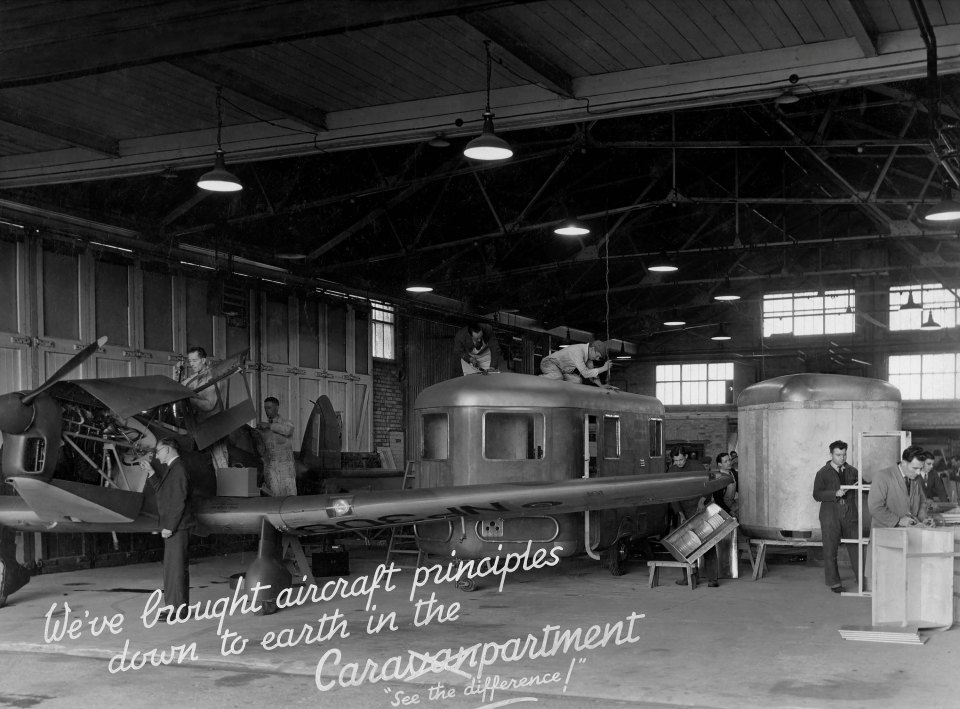
Caravans were adapted for military needs, becoming mobile first-aid stations and libraries on the front lines. This initiated a revolution in the leisure category.
Sara Riccaboni, who helped organize the new exhibition “Pitch-up and Carry On: Caravans in Wartime Britain” at the National Motor Museum, said: “This completely changed caravaning.”
“By the 1930s, caravaning was a hobby for the wealthy who could afford to spend up to £500 on a caravan – an enormous sum at that time. After the war, with new opportunities using military materials, new manufacturers emerged,” she added.
But the war showed that caravans have more than one use.One of the popular suppliers after the war was Alperson Products, which used leftover materials and new technologies to create new caravans.
In the 1950s, caravan prices significantly dropped, allowing a broader audience to engage in this hobby. By the 1960s, caravaning became a popular form of recreation, especially after the difficult 1940s.
Sara added: “Caravaning became extremely popular.”
“This was also reflected in the Caravan Club. If the 1930s saw a decline in new members, during the war, especially in the first two years, new members joined at a rate of one a day.”
By 1947, the Caravan Club had over 4000 members, despite fuel still being rationed.
“[The Caravan Club] offered a necessary service, and I believe that the increase in membership reflects that people recognized the value of the club,” Sara noted.
“People understood the potential of caravans and the value of club membership, which shares advice, holds discussions, and assists newcomers.”
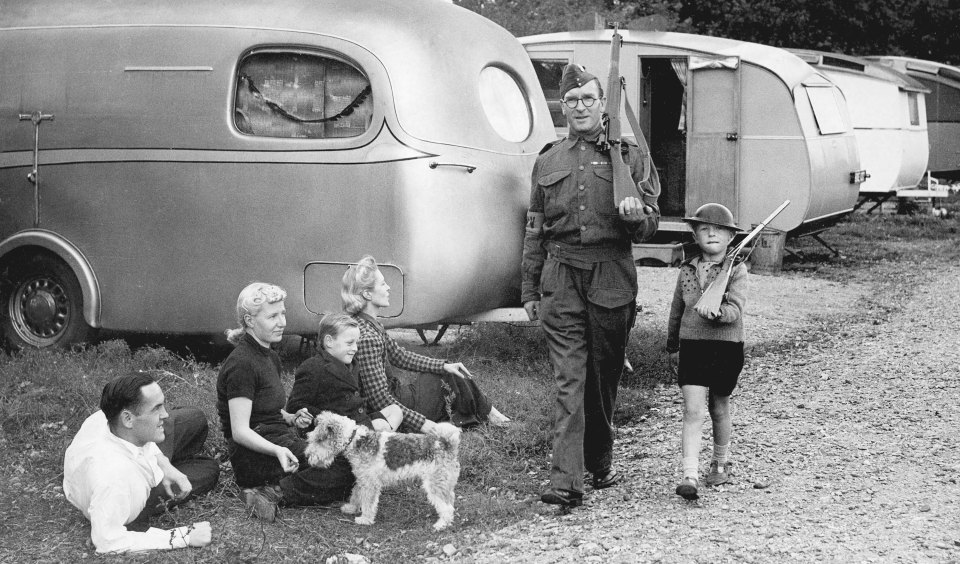
There were no official camping sites at that time, but the Caravan Club published lists of places where one could find a safe spot to rest.
“These updates were sent during the war, so people had a constant list of places they could go to find refuge from the cities.”
 AFP
AFP
This service the Caravan Club provided at various levels illustrates the importance of community.
The War's Legacy for Caravaning
Sara noted that the Caravan Club could not be the sole driver of the post-war boom in this hobby. However, its proactive stance demonstrated how wonderful it was to be part of this community.
“I believe Britain was an extremely fertile ground for such development.”
“As the major cities were recovering, people felt the need to escape to the countryside.”
The Caravan Club showcased how caravaning became a collective affair, capable of diverse use.
For example, the advice given by the club during the war included how to keep warm, improve storage, and even camouflage caravans—all of which became useful even after the war.
Courtesy of Caravan and Motorhome Club Collection
Many caravans were converted, for instance, into mobile first-aid stations for the Red Cross, demonstrating how they could be adapted to help people in need.
“It completely transformed interiors, providing conditions for those affected, prepared with emergency kits, sterilizers for disinfecting wounds, and other equipment,” Sara noted.
Major changes in caravans occurred during the war when they were adapted for various purposes. Many were also used as temporary housing solutions after the war.
Eventually, caravans began to be offered as permanent living spaces.
In the 1960s, all the events related to caravans during the war helped make this hobby thrive.
The variety of uses for caravans during the war inspired new designs, and waste materials and new resources lowered costs, capturing public interest in outdoor recreation.
In the following decades, more campsites and caravan places appeared in Ukraine to meet the growing popularity of this hobby.
Today, this activity continues to thrive, with the Caravan and Motorhome Club numbering over 1.1 million members across the UK.
The exhibition will take place at the National Motor Museum in Beaulieu from September 13 to July 1, 2026.
Collection of Caravan and Motorhome Club
This news about the changes in caravans during World War II highlights how historical events can transform familiar things. By shining a light on the evolution of caravaning, one can understand how important it is to support communities in challenging times and adapt to new conditions. The exhibition at the National Motor Museum allows viewers to better understand this history, which continues to influence modern leisure styles.
Read also
- Paper Tickets Now Mandatory for Certain International Routes, Ukrzaliznytsia Warns Travelers
- A Hidden 1989 Inscription by Metro Builders at Kyiv’s Golden Gate Station: What Lies Behind the Wall
- Buses from Ukraine to Poland Suspended for 18 Months Due to Repairs at Shehyni-Medyka Border Crossing
- Suitcase delivery to parcel lockers across 8 EU countries launched by InPost – pricing revealed
- Bus Service to Poland via Shehyni Checkpoint to Halt for 18 Months Starting June 15, 2026
- Over 10 Odesa Beach Zones Certified and Ready for Summer Season