Ukrainian Drones Paralyzed Russia's Oil Industry: What Blow Has Been Dealt to Putin's Army.

According to The Sun: Vladimir Putin's golden asset – the Russian oil empire – has proven vulnerable, and Ukrainian drones have made the first step towards its destruction.
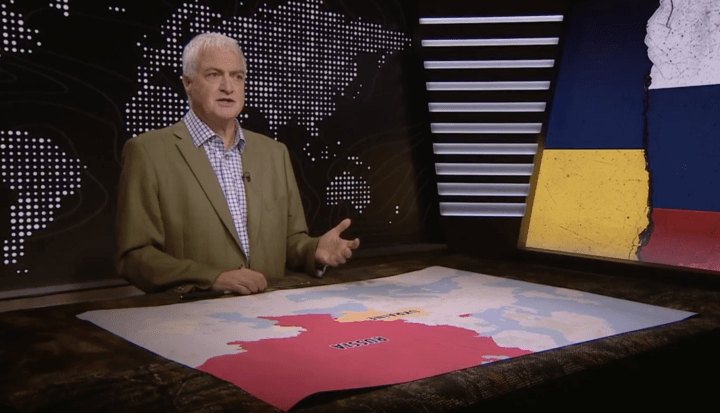
In the latest episode of 'Battle Plans Exposed', military expert Philip Ingram reveals how Kyiv opened a new front in the war, targeting oil fields, refineries, and pipelines that finance Putin's aggression.
In the latest episode of 'Battle Plans Exposed', Philip Ingram analyzes Ukrainian drone strikes on Russian refineries East2WestUkrainian drones struck the ELOU AVT-11 installation at a refinery in Novokuibyshevsk.
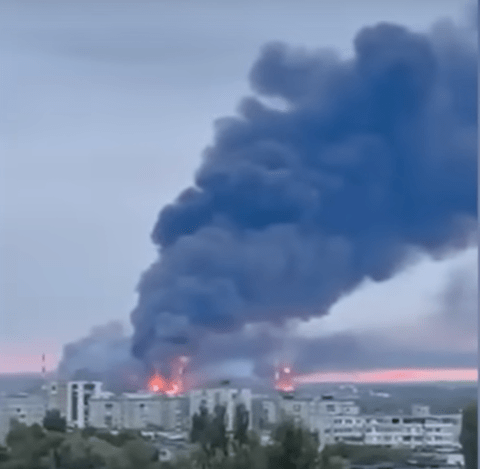 Columns of smoke over another Russian refinery after a strike from Ukraine
 Getty
Getty
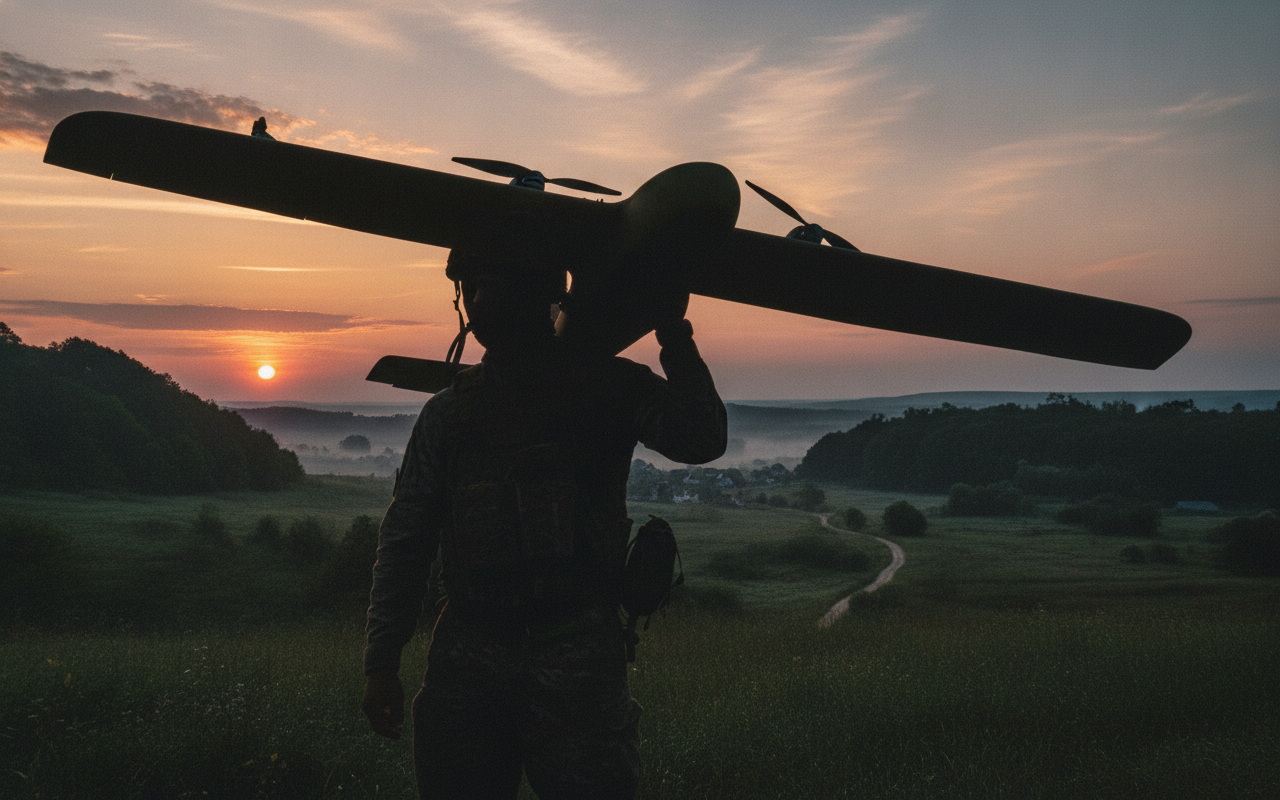
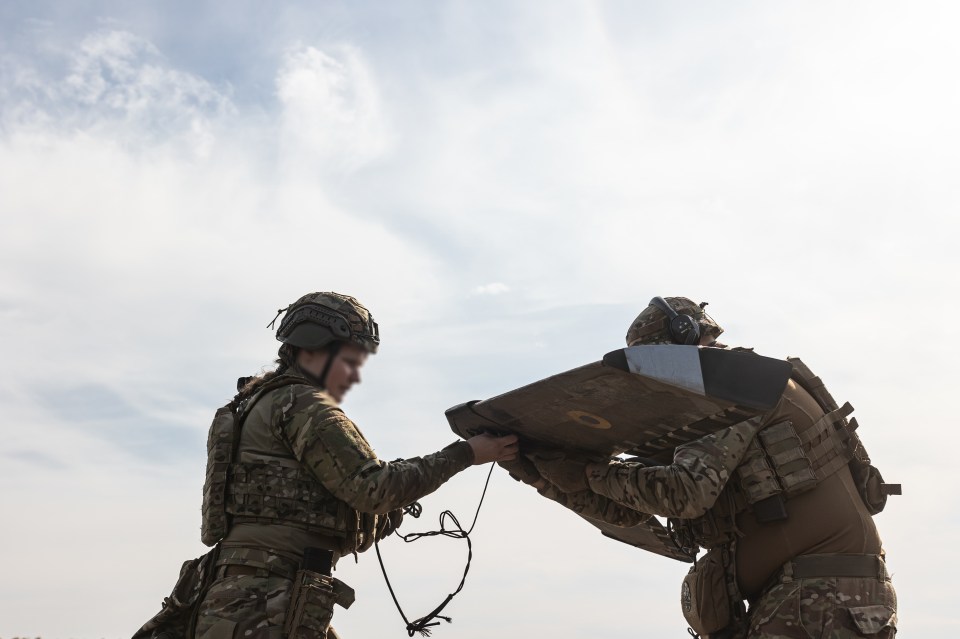
Ukrainian soldiers launch a reconnaissance drone towards Toretsk, Donetsk region.
“This is an oil war,” says Ingram.
“It's a high-stakes, calculated campaign to destroy the engine of Putin's war.”
For decades, Russian energy resources have funded everything from tanks to soldiers' salaries and propaganda.
Before the invasion, energy export revenues accounted for about 40% of the Kremlin's budget.
Even during sanctions, oil and gas still provide 30% of Russia's income.
The episode shows how Ukraine has targeted this “oil money stream,” delivering precise strikes hundreds of miles inside Russian territory.
Long-range drones have torched colossal refineries, destroyed pumping stations and tanks, systematically dismantling Moscow's processing capabilities.
Video footage of the explosion at the 'Rosneft' refinery in Ryazan after a drone strike illustrates the scale of the destruction.
“This is not a military base on the border,” warns Ingram.
“This is a key object of Russia's national infrastructure – hundreds of miles from Ukraine.”
The accuracy of the attacks is their devastating force.
Ingram explains that the real targets are not the huge tanks, but the processing units of the plant – “the heart of the refinery,” where crude oil is converted into diesel for tanks and aviation fuel for fighter jets.
Knocking out one of these units renders the entire facility useless for months, if not years.
The episode shows that Ukraine has managed to incapacitate at least 12% of Russia's oil processing capacity, destroying over 600,000 barrels per day.
That's billions in lost revenue, unable to be invested in Putin's military budget.
The impact is twofold. Firstly, it delays the Russian army itself:
“No diesel – tanks don't move.”
“No aviation fuel – fighters land,” says Ingram.
Secondly, it hits ordinary Russians who face fuel shortages, rising prices, and horrific sights of their industrial heart burning.
What does the Kremlin do? Denies, manipulates, and panics.
Moscow has been forced to ban fuel exports for six months, sacrificing vital revenues to stop the chaos at home.
“Putin's greatest fear,” says Ingram, “is the uprising of the Russian people.”
This is asymmetric warfare in its most brutal form – cheap Ukrainian drones dealing billion-dollar blows to the Kremlin.
The episode shows how this campaign has revealed Russia's vulnerability, exposing its oil empire as a fatal weakness and bringing the war to the doorstep of ordinary Russians.
“This proves that in modern warfare the most effective battle plans are not always tied to brute strength on the tactical front, but rather to identifying the one vulnerable point of the enemy – and attacking it over and over again with relentless precision,” notes Ingram.
Ukraine's Counteroffensive
At the same time, Ukraine claims that it has managed to change the tide of battle in the east amid a brutal counteroffensive.
General of the Armed Forces of Ukraine Oleksandr Syrskyi reported that his troops have regained about 60 square miles since August, while Putin’s forces have retreated from another 70 square miles north of the devastated airfields of Pokrovsk.
He boasted that Russian forces have suffered horrific losses – 1,500 dead, a thousand wounded and 12 main battle tanks destroyed.
“Control has been restored in seven settlements, and nine others have been cleared of enemy diversion and reconnaissance groups,” proclaimed Syrskyi, claiming that about 165 square kilometers have been liberated, and nearly 180 have been cleared of Russian saboteurs.
This breakthrough came after an unstable summer, when Russian “saboteurs” broke through six miles into Ukrainian lines, threatening to cut off supply routes.
However, Ukraine was able to regroup its forces and is now pushing them back, Syrskyi insists:
“In just the last 24 hours, the enemy lost 65 soldiers, 43 of whom died in combat, as well as 11 units of equipment.”
Destroyed equipment ranges from tanks to artillery, drones, and even an ATV used by desperate Russian troops.
Russia tried to flip the narrative, claiming it captured a village south of Pokrovsk – which Ukraine categorically denies.
Instead, Kyiv points to the destroyed Russian armored vehicles littering the battlefield and insists that Kremlin's forces are suffering enormous losses.
Fighting continues against the backdrop of Volodymyr Zelensky's preparations for a meeting with Donald Trump at the U.N. General Assembly in New York.
The military leader of Ukraine plans to urge the U.S. president to impose tougher sanctions if Putin refuses to sit down for negotiations.
 AP
AP
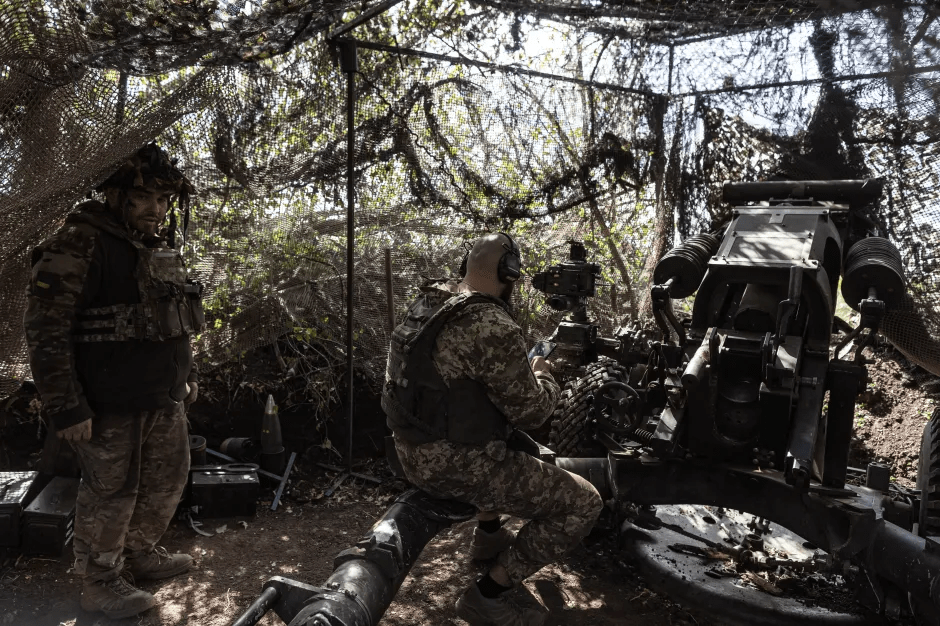
Ukrainians defend the Donetsk region, which is partially occupied by Russia.
Getty
The Armed Forces of Ukraine continue to demonstrate superiority over the Russian military doctrine.
Trump, who once called Putin a “genius”, acknowledged that the dictator “let him down.”
“I thought this war would be one of the easiest to resolve due to my relationship with Putin. But he really let me down,” he said during his visit to Britain.
However, the British intelligence chief, Sir Richard Moore, dismissed any notion of a quick peace.
“I have seen absolutely no evidence that President Putin has any interest in a negotiated peace, except for Ukraine's capitulation,” he said.
“We should not believe him or give him power he does not have,” added Moore.
He also noted that Russia is advancing “at a snail's pace with horrific losses” – and that Putin “has bitten off more than he can chew.”
He praised Ukrainian resistance and expressed unwavering respect for Zelensky, while criticizing Putin for plunging Russia into a “long-term decline,” investing only in “rockets, ammunition, and morgues.”
Such warnings resonate against the backdrop of reckless bombings that claimed the lives of three civilians in Zaporizhzhia – two women aged 40 and 79 and a 77-year-old man — even as Ukrainian forces achieved new successes and began new retaliatory strikes within Russian territory.
Last month, Kyiv marked Independence Day with a series of drone attacks that paralyzed Russian energy facilities, claiming that it destroyed three “butchers of Bucha” during precision bombings in occupied Luhansk.
Russian soldiers have been found guilty of participating in the horrific slaughter of 2022, when hundreds of civilians became victims of torture, rape, and murder as Putin's troops attacked Kyiv.
 AP
AP
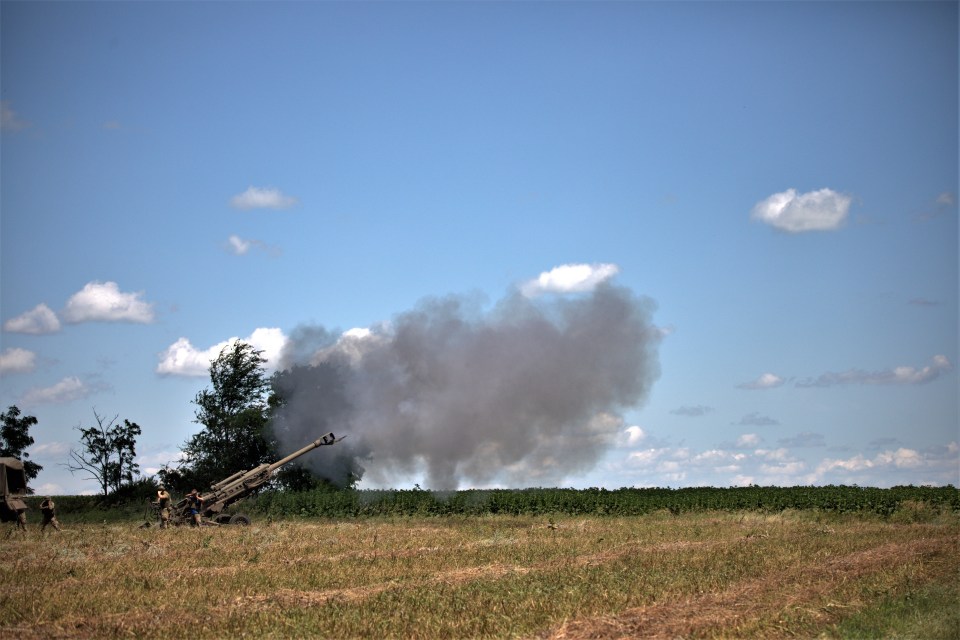
Ukrainian soldiers fire towards Russian positions on the front line in Zaporizhzhia region.
Getty
An artillery gun fires as a Ukrainian artillery division supports soldiers in the counteroffensive on the Zaporizhzhia front.
This context indicates that Ukraine continues to actively build strategies that allow it to curb Russian aggression, striking both military and strategic targets that significantly impact the enemy's economy. These events are shaping Ukraine's future defensive and offensive actions in the context of the ongoing major war.
At the same time, Zelensky's meeting with Trump at the U.N. could open new possibilities for international support for Ukraine and increase pressure on the aggressor, which only underscores the importance of diplomacy in this conflict situation.
Read also
- Russia Deploys Shadow Fleet to Launch Drones Over Europe, Targeting NATO Sites for Reconnaissance
- July 3rd Strike on Sumy: Four Dead Including a Child, 20 Wounded
- Sharp Rise in Civilian Casualties in Ukraine Documented by UN: A Closer Look at the Numbers
- Russia’s Black Sea Fleet Loses the Upper Hand: What Ukraine’s Strikes Have Changed
- Satellite Imagery Reveals Anti-Drone Cages Installed on Russian Submarines in Novorossiysk
- Seven Aircraft Destroyed in Strike on Saky Airfield, Ukraine Intensifies Crimea Campaign