Spurn: a safari to the most remote corner of Britain, where seals are observed.

The specific terrain of Spurn
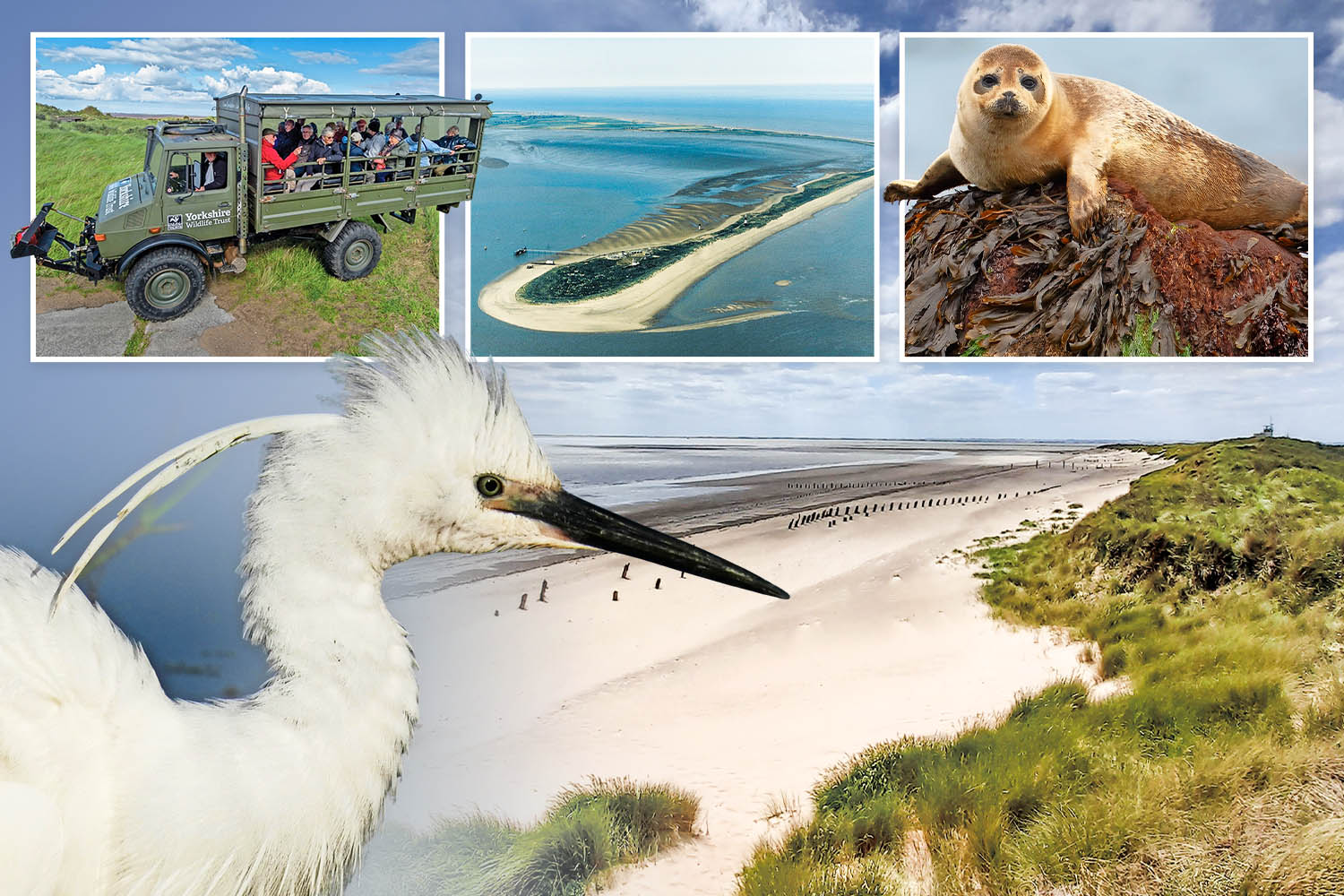
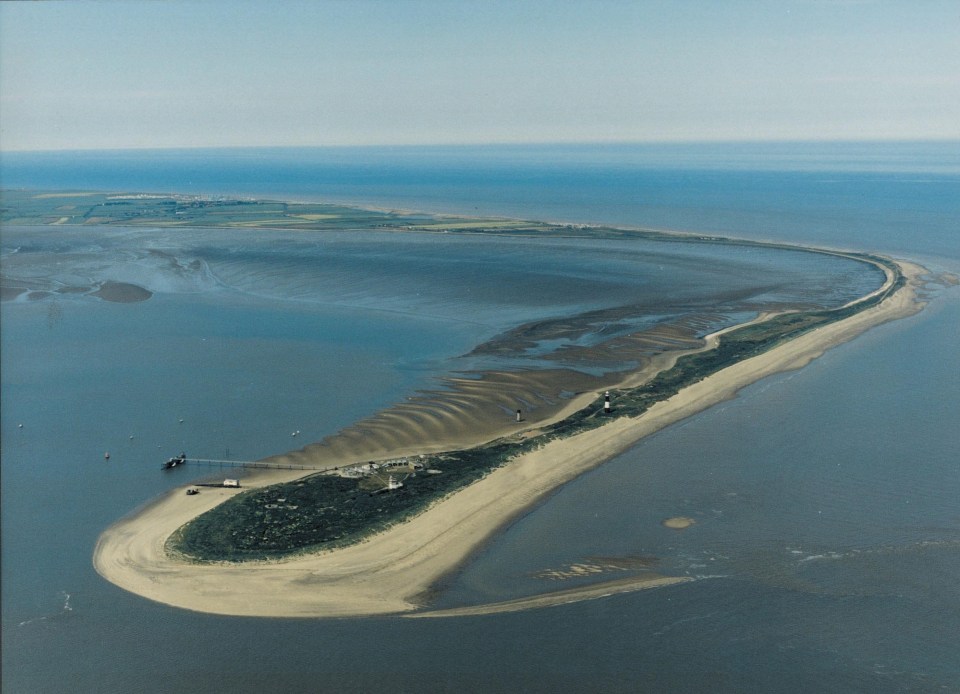
According to The Sun: Spurn is one of Britain's geographic anomalies. It is a narrow peninsula that curves around the northern edge of the Humber estuary, resembling a true magical claw.
Yorkshire Wildlife Trust/Harry Appleyard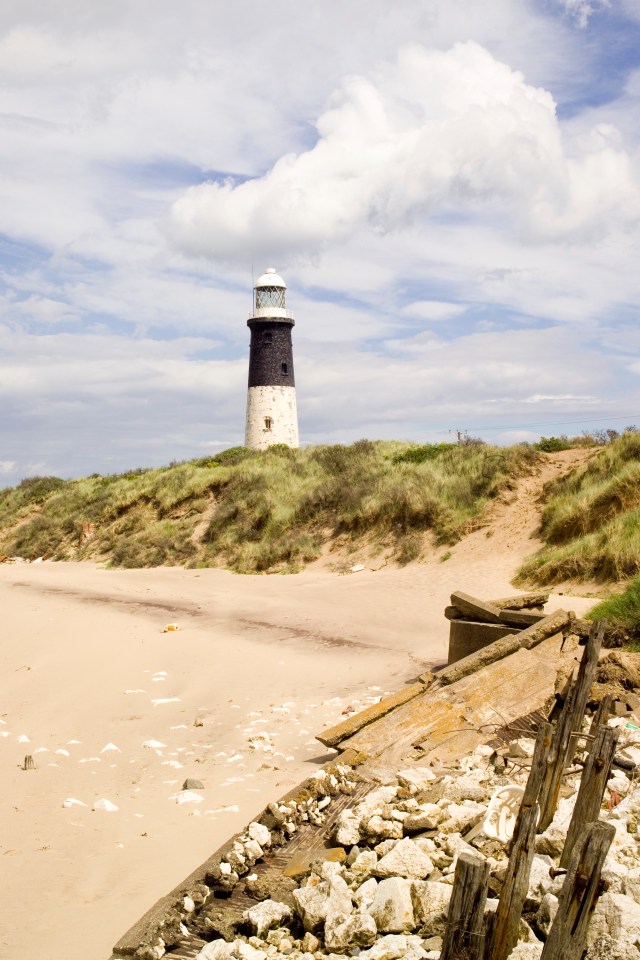 Yorkshire Wildlife Trust/James Hardisty
Getty
Yorkshire Wildlife Trust/James Hardisty
Getty
The uniqueness and isolation of Spurn
On the enchanting safari from Yorkshire Wildlife Trust, I learn that it is isolation that makes Spurn special. Since 2013, the 'End of Yorkshire' has become even more secluded. Powerful tides have washed away the sandbanks and roads leading to Spurn Head at the end of the peninsula.
Now, when the tides are particularly high, the peninsula turns into an island. If you are not prepared to walk six miles over soft sand, the only way to reach Spurn Head is by journeying on an Unimog – a large black ex-military vehicle that travels along uneven paths where ordinary cars cannot go.
The open sides make it ideal for wildlife watching.
Travelers keep binoculars on the coastal splashes, which are excellent feeding grounds for curlews, turtles, cuckoos, and many other species.
“Although Spurn is now largely left to nature, in the past people found many uses for it.”
David Whitley
You don’t have to be an experienced ornithologist to understand that Spurn is a favorite refuge for birds. Above us, hundreds of meadow larks dive and soar in the gentle sea breeze.
From the back of the truck, the views are directed towards the sandy beaches of the North Sea. Here you can often see porpoises, micro whales, and grey seals.
Right in front of us is the Spurn Lighthouse. At 128 feet tall, it is the tallest lighthouse in northern England and has been transformed into a mini-museum.
During the climb up 147 steps, breathtaking panoramas open up. Here, poetic and artistic exhibitions are also presented, but the most striking are the signs explaining the geography and history of Spurn.
Diagrams show how winds, tides, and sediment flows shaped this strange piece of land.
Historical facts about Spurn
Despite being mostly left to nature, in the past, people found numerous ways to utilize Spurn. Historically, Spurn was an important source of gravel and a base for crab fishing.
In the 1800s, a battery of cannons was stationed here for the defense of the Humber, and the military presence significantly increased during World War II.
The military remained here until 1951, but traces of their presence are still noticeable, including parts of the railway tracks.
Our guide, Daz Parkinson, opens his book to show photos of how lighthouse keepers used these tracks. They would attach sails to carts and race along the railway in improvised land boats.
 Getty
Spurn is a narrow peninsula that curves around the northern edge of the Humber estuary, like a magical claw.
check copyright
Getty
Spurn is a narrow peninsula that curves around the northern edge of the Humber estuary, like a magical claw.
check copyright
Daz continues to be a source of knowledge at Spurn Head, where he leads us on a tour of old military and rescue buildings.
It turns out that the former parade ground attracts the attention of local seagulls. “They pick up crab shells on the beach and throw them onto the pavements to break them,” he says. “They do this here because it’s open space and they can see any approaching foxes.”
Enchanting encounters
He is also a true encyclopedia of butterfly species and wildflowers.
We learn that the small orange-red flowers are the common pimpernel, and elm buds can be crushed and used as an antidote for snake bites.
The name “daisy” originates from “day’s eye,” as it closes at night and reveals its yellow center during the day.
He also explains how nature helps preserve Spurn.
In winter, highland cows and Hebridean sheep are pastured here to control grass growth and provide space for flowers.
Thus, oysters were reintroduced into the estuary, creating a protective coastal strip and cleaning the water.
But ultimately, the walk leads to the beach at Spurn Head.
Daz asks us to pay attention to the grey stones, as these are the ones that often contain fossil remains.
At the same time, it’s time to stop and enjoy the beauty.
On the sand, about a meter from the water, lies a grey seal. We keep a distance because he is resting, and we don’t want to scare him back into the water.
At the most remote point of Yorkshire – a place where no one comes just like that – it's an enchanting encounter.
But one of the great sea creatures is not the main focus of this unusual safari.
With butterflies, birds, flowers, and the ever-changing nature, Spurn is a place to enjoy the little things.
Visitor information
WHERE TO GO: The three-hour Spurn Safari departs from Spurn Discovery Centre, 55 minutes' drive from Hull.
Tickets cost £27.50 for adults and £14 for children. Book in advance through Yorkshire Wildlife Trust.
WHERE TO STAY: Double rooms at the Holiday Inn Hull Marina start from £69.
Read also
- €500 Fine Imposed by Ryanair: Who Will Be Penalized for Misconduct on Flights
- Google and Instagram Blocked for Ukrainians in China: How to Pay and Register
- Top Affordable European Destinations for Ukrainians: 2026 Vacation Prices Revealed
- Extra Trains to the Carpathians Announced by Ukrzaliznytsia: Schedules and Routes
- Tougher Pregnancy Travel Rules for Ryanair: New Medical Certificate Required to Board
- Summer Holiday Season Begins: Ukrainians Flock to Warsaw in Large Numbers