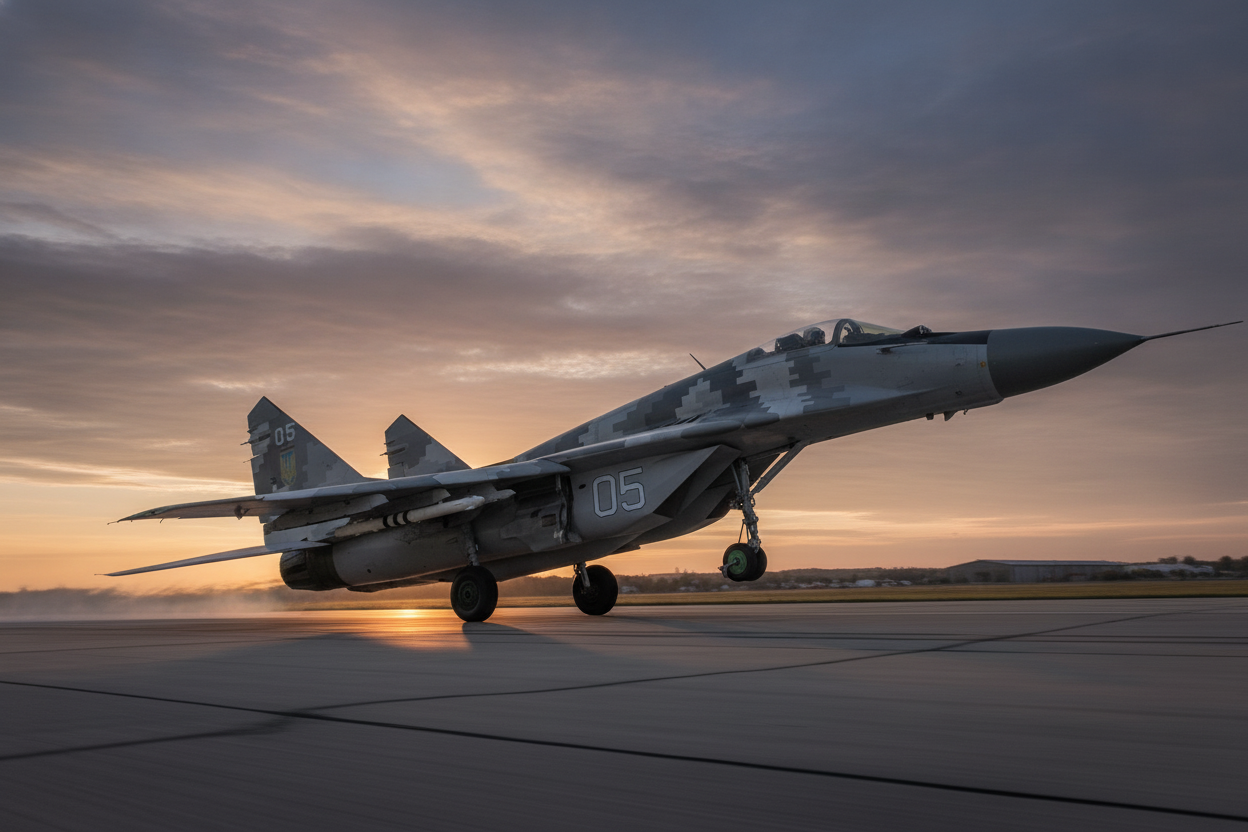
Taiwan vs China: What is the Essence of the Hedgehog Strategy.

Taiwan Prepares for the 'Hedgehog Strategy'
According to The Sun: Taiwan is actively implementing its 'Hedgehog Strategy' to defend against a potential invasion from China.
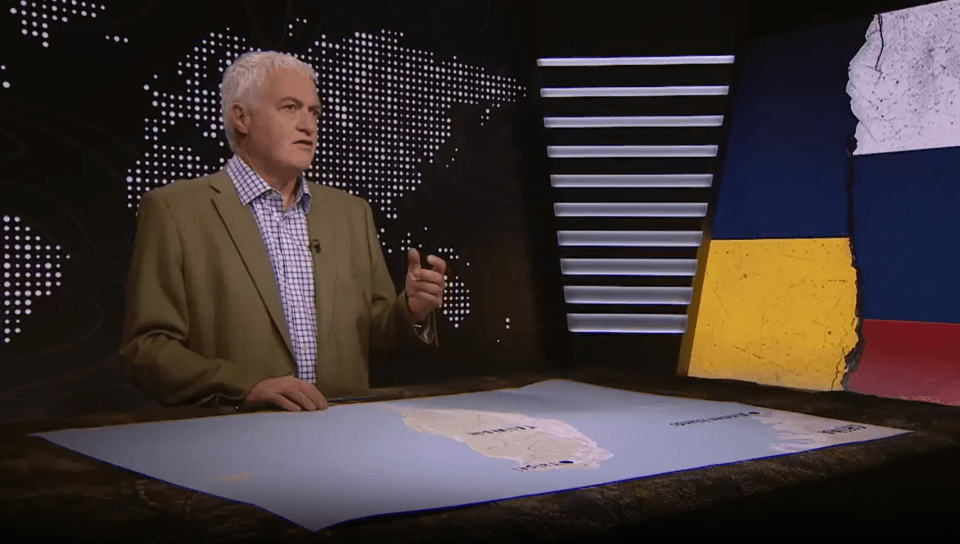
In a new episode of the show 'Extraordinary Battle Plans', military expert Philip Ingram discusses this unconventional tactic and explains what China's reaction might be.
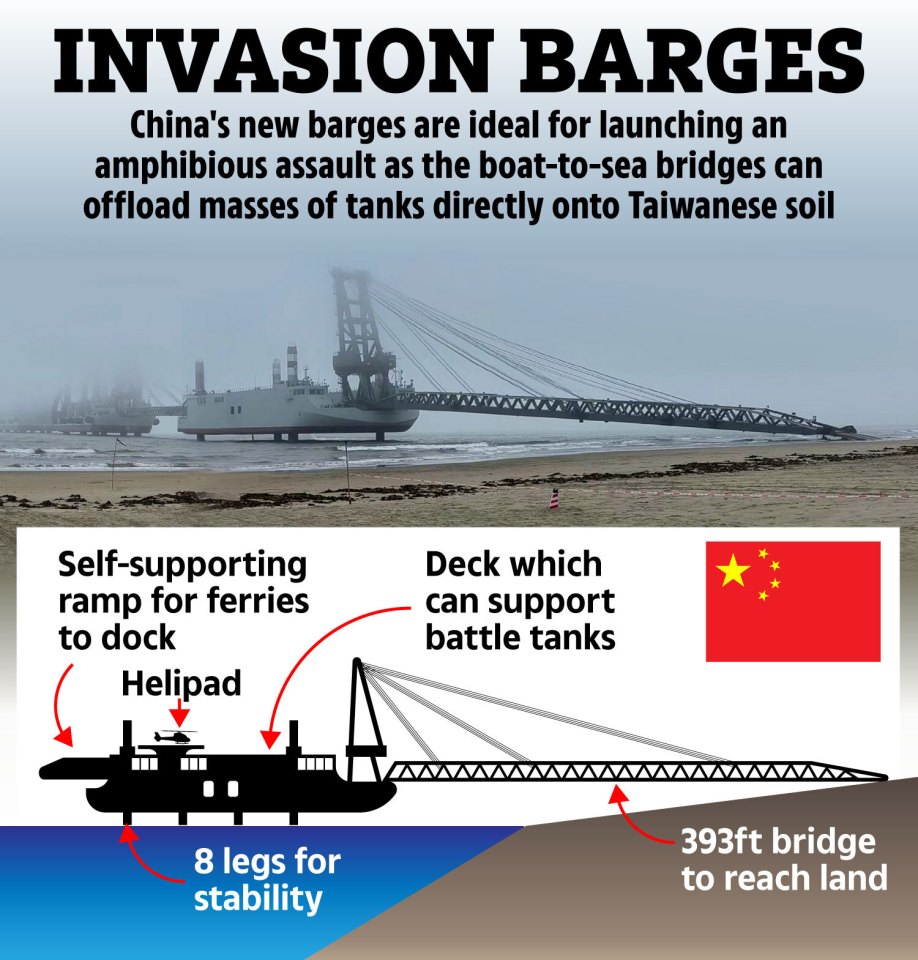
The Sun AFPXi Jinping insists on Beijing's control over Taiwan and does not rule out the possibility of a violent takeover of the island nation.
However, Taiwan remains an important player in the global trade market and an ally of the United States, which could lead to serious consequences in the event of an attack by China.
Ingram believes that the capture of Taiwan could plunge the world into a Third World War due to the reaction from the U.S.
Watch the new episode on The Sun's YouTube channel here…
Ingram asserts:
“As the world's attention is focused on Ukraine, another flashpoint could trigger an even larger conflict. Taiwan, an island with a population of 23 million, is just 112 miles from the shore of China, which contends with 1.4 billion inhabitants – the world's largest army.”
“For Beijing, it is not just territory, it is destiny. For Washington, it is a red line.”
In this episode, Ingram describes three critical defensive tactics that Taiwan is learning to use against China's military.
He explains:
“Taiwan's military posture is based on a fundamental strategic principle known as the hedgehog strategy or asymmetric defense.”
“The goal is not to defeat the numerically superior PLA of China in a conventional war, but to make an invasion so difficult, costly, and bloody that Beijing would never even consider it.”
Thus, Taiwan uses its navy, air force, and armaments to create a strong and nearly impenetrable defensive mechanism that is hard to breach – even for the largest army in the world.
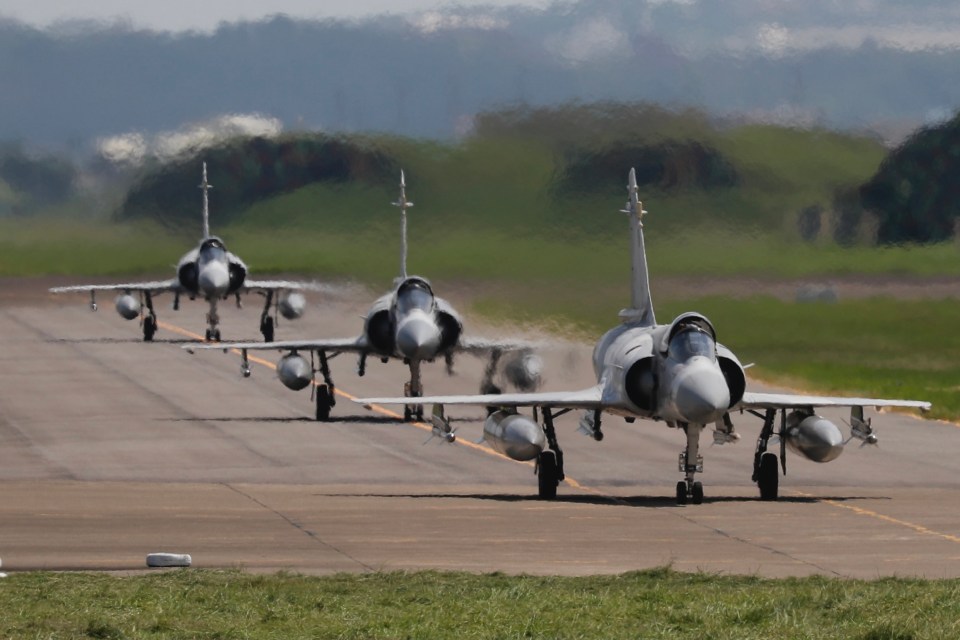
“The air force is the first line of defense, responsible for fighting for air superiority over the Taiwan Strait and countering initial waves of missile strikes,” says Ingram.
“The backbone of the fighter fleet is the recently upgraded F-16 Vipers, one of the most advanced fourth-generation fleets in the world. This is complemented by locally produced aircraft and French Mirage 2000 fighters.”
After this, the navy helps the Air Force establish a reliable defense base, reminiscent of a hedgehog.
“The role of the navy is to challenge the PLA navy in the straits, prevent maritime blockades, and deploy naval mines to make invasion routes dangerous,” according to Ingram.
The navy includes American destroyers, frigates, and submarines.
Taiwan has ensured that its submarines are designed for stealth missions and pose a serious threat to any invasion.
 AP
Taiwanese troops fire from howitzers during drills.
EPA
AP
Taiwanese troops fire from howitzers during drills.
EPA
One of the main naval specializations is fast and heavily armed Tuo Chiang class corvettes.
Ingram considers them an “ideal example of the hedgehog strategy.”
These vessels can quickly strike larger Chinese military ships, inflicting damage and disappearing quickly.
To complete the hedgehog picture, Taiwan has powerful missile capabilities that are a key part of the renowned Hedgehog Strategy.
They serve as 'spines' for defense and plan to strike China back.
Why Does China Want to Invade Taiwan?
Taiwan considers itself an independent nation, having separated from mainland China during the civil war in 1949.
However, China views Taiwan as part of its territory that must eventually be reunified, and does not rule out the possibility of using force to capture the island.
The island is located about 100 miles off the coast of southeastern China, has its constitution and democratically elected leaders, and considers itself distinct from mainland China.
Taiwan is situated in the 'first island chain', which includes U.S.-friendly territories that are significant to Washington’s foreign policy in the region.
This also allows to slow down China's attack on the West.
In the context of rising tensions between countries, Taiwan is likely to become an ally of China's enemy if it means preserving its independence.
Taiwan's economy is another factor driving China's desire to reclaim this territory.
By capturing the island, China could enhance its capabilities in the western Pacific and attempt to compete with the United States, as a significant portion of the world's electronics is produced in Taiwan.
This would allow Beijing to control an industry that drives the global economy.
China insists it has peaceful intentions, yet President Xi Jinping repeatedly threatens this small island nation.
Ingram notes:
“This is the heart of Taiwan's deterrence. The strategy hinges on a large arsenal of precise, mobile, and hard-to-detect missiles.”
Another key area Taiwan is actively working on is the number of individuals it can mobilize to combat zones.
In recent months, the country has begun to mobilize its reserve forces and civilian defense.
Ingram believes that a potential conflict with China will affect the entire nation, considering the scale of Chinese forces.
“Military conscription has recently been extended from four months to one year to prepare combat-ready forces,” says Ingram.
“Significant reforms are being made to improve the training and readiness of nearly 2.2 million reservists, including regular regional drills.”
Soldiers participate in Han Kuang military exercises modeling an NPLA invasion.
Getty
EPA
 AP
AP
Read also
- Fighting in Kostiantynivka: 'Lyut' Brigade Denies Rumors the City Has Fallen
- Zelenskyy Congratulates the United States on Its 250th Independence Anniversary: A Look at His Message
- Crimean Airfield Strike: Ukrainian Intelligence Destroys Russian MiG-29 Fighter Jet
- Over 1,500 Russian Invaders Eliminated in a Week as Zelenskyy Bolsters Air Defenses in Odesa
- Finland Restricts Air and Sea Traffic After Ukrainian Attack: What Happened
- Ukrainian Drones Strike MiG-29 at Belbek Airbase: How Kyiv Hit Key Russian Assets in Crimea