Trump says Iran operation will end in 2–3 weeks as Tehran refuses US talks.

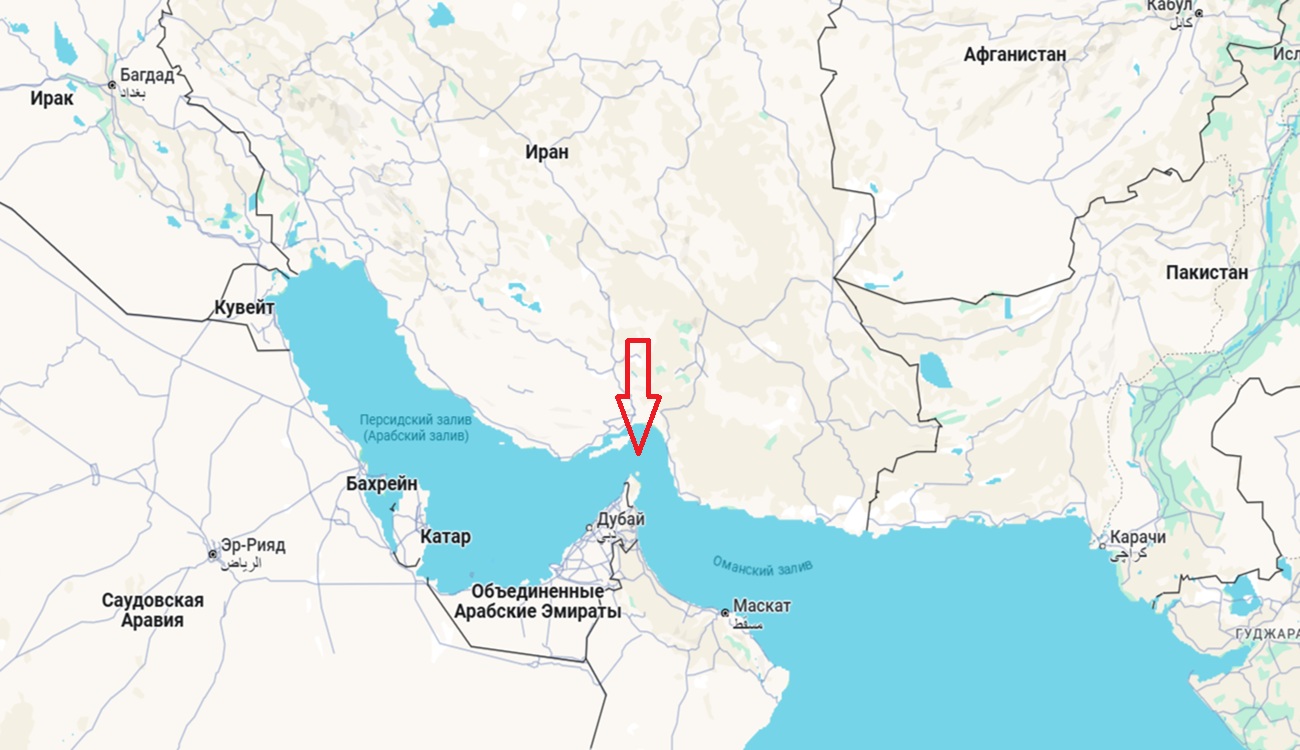
Iran Standoff and Allied Reactions
According to UATV: Iran has no intention of negotiating with the United States to halt hostilities, according to the deputy speaker of Iran’s parliament. Meanwhile, U.S. President Donald Trump announced that the military operation against Iran will conclude within the next two to three weeks. Israeli Prime Minister Benjamin Netanyahu stated that the threat of nuclear weapons from Iran has been neutralized, noting:
“My sole objective was to strip them of nuclear arms, and that goal has been achieved.” — Benjamin Netanyahu
The United Arab Emirates (UAE) is prepared to join military efforts and is drafting a United Nations Security Council resolution to support the U.S. in reopening the Strait of Hormuz. A UAE official confirmed that 'the United Arab Emirates is preparing to assist the U.S. and other allies in forcibly reopening the Strait of Hormuz.' This signals the region’s intent to take active measures against potential threats.
Regional Allied Support
In addition, the United Kingdom will provide reinforcement to its allies in the region, including additional air defense systems. UK Defense Secretary John Healey stated:
“This means nearly a thousand British military personnel will be stationed in the Middle East to help protect the airspace.” — John Healey
Several nations have already joined the effort to safeguard the trade route through the Strait of Hormuz, including:
- France
- Germany
- Italy
- the Netherlands
As tensions persist in the region, international allies are intensifying their efforts to maintain stability in this strategically vital area. The current situation in the Persian Gulf highlights escalating friction between Iran and the U.S., alongside a growing coalition of international forces working to secure key shipping lanes. With countries like the UAE and the UK showing readiness for collective action, the military and political dynamics in the region may be shifting. Increased allied military presence could significantly affect not only regional security but also global energy markets.
Read also
- Trump Approves Nuclear Deal with Saudi Arabia, Allowing Enrichment Without IAEA Oversight
- Pentagon Requests $67 Billion More as US War Costs Against Iran Hit $37.5 Billion
- Iran Faces Infrastructure Bombing Under New US Strategy Announced by Trump for Strait of Hormuz Attacks
- Ukraine’s Air Defense Gets a Boost: New Interceptor Missiles for Patriot Systems Discussed with NATO
- Putin Abandons Plans to Return Occupied Lands to Ukraine: What We Know About the So-Called 'Buffer Zones'
- Trump Endorses FIFA's Ban on Balogun and Backs New UN Secretary-General Pick