Iran Warns of Strikes on US Bases Amid Stalled Nuclear Talks.

Heightened Tensions Over Iran's Nuclear Program
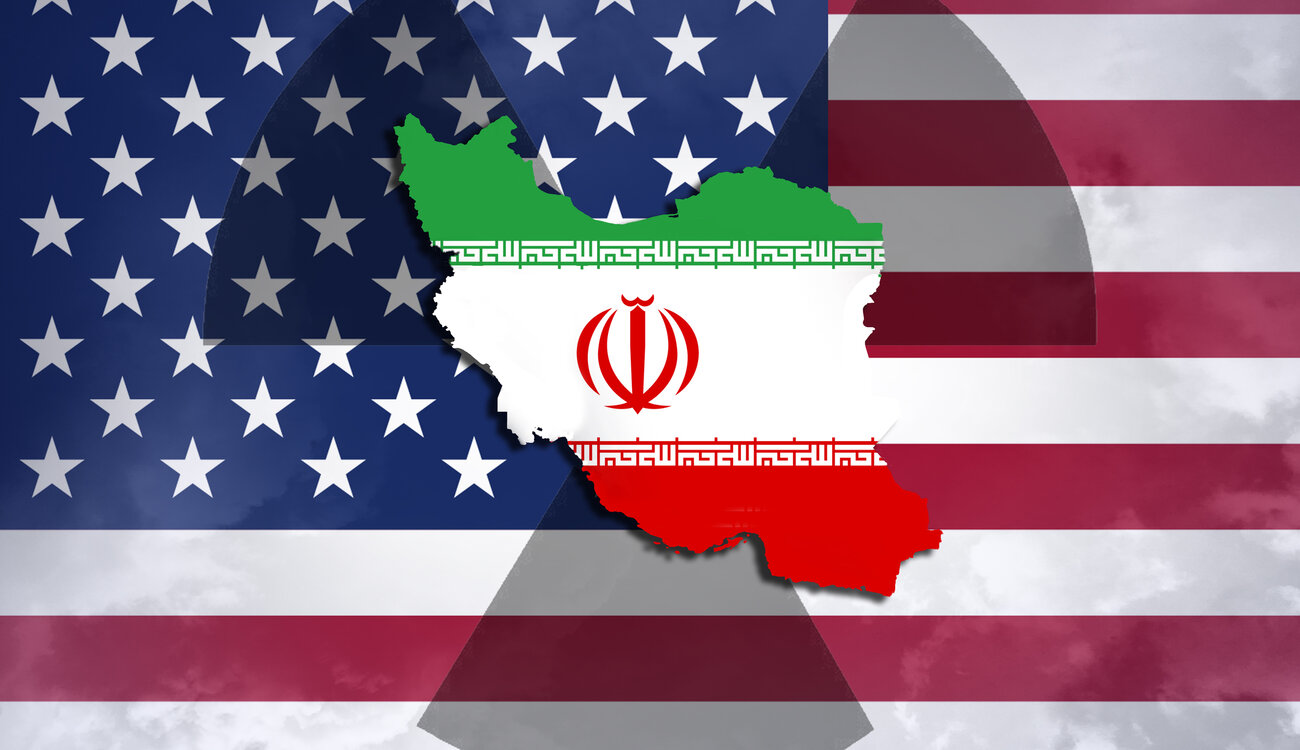
According to UATV: Iran's Foreign Minister, Abbas Araghchi, has declared that Iran is prepared to strike American military bases in the Middle East if the US attacks. This warning comes as both nations express a willingness to negotiate over Iran's nuclear activities. Indirect talks between the US and Iran were held in Oman on February 6, 2023, specifically to address the escalating situation surrounding Iran's nuclear program. These negotiations are part of a long-standing and complex international dispute over Iran's atomic ambitions.
The discussions revealed that Iran has now stockpiled approximately 400 kilograms of uranium enriched to 60% purity. This level of enrichment significantly narrows the gap to weapons-grade material, raising serious concerns within the international community, particularly for the United States. Araghchi emphasized the need for continued dialogue, noting that while a date for a second round of talks is not yet set, both sides agree it should be convened as soon as possible.
Diplomatic Efforts and Military Posturing
Araghchi's statement followed directly after the first round of talks, highlighting a simultaneous push for diplomacy and a show of military readiness. Former US President Donald Trump also commented on the issue, stating that the primary goal remains reaching an agreement to prevent Iran from obtaining nuclear weapons. He suggested that a deal could have been reached two years prior but claimed the other side was not ready at that time.
Despite diplomatic outreach, the regional military situation remains tense. In January 2025, an increased presence of the US naval fleet was observed in the Middle East, signaling a potential for conflict escalation. This buildup occurs against a backdrop of reported future military plans, including:
- A planned Israeli military campaign against Iran, set to begin on June 13, 2025;
- Potential US airstrikes on Iranian nuclear facilities, which could follow on June 22 of the same year.
The role of the International Atomic Energy Agency (IAEA), led by Director General Rafael Grossi, is crucial for monitoring and verifying Iran's nuclear activities amidst these threats.
Consequently, the future of Iran's nuclear program remains highly uncertain and demands close observation and persistent diplomatic engagement. The heightened military posture of the US in the region, coupled with Iran's warnings, underscores the critical need for sustained negotiations to find a peaceful resolution. Diplomatic efforts, supported by international bodies, remain the key to preventing a dangerous escalation and ensuring regional stability.
Read also
- Trump Approves Nuclear Deal with Saudi Arabia, Allowing Enrichment Without IAEA Oversight
- Pentagon Requests $67 Billion More as US War Costs Against Iran Hit $37.5 Billion
- Iran Faces Infrastructure Bombing Under New US Strategy Announced by Trump for Strait of Hormuz Attacks
- Ukraine’s Air Defense Gets a Boost: New Interceptor Missiles for Patriot Systems Discussed with NATO
- Putin Abandons Plans to Return Occupied Lands to Ukraine: What We Know About the So-Called 'Buffer Zones'
- Trump Endorses FIFA's Ban on Balogun and Backs New UN Secretary-General Pick