Italy Condemns IPC Decision to Allow Russian and Belarusian Athletes to Compete Under National Flags.

Italy's Opposition to the IPC Ruling
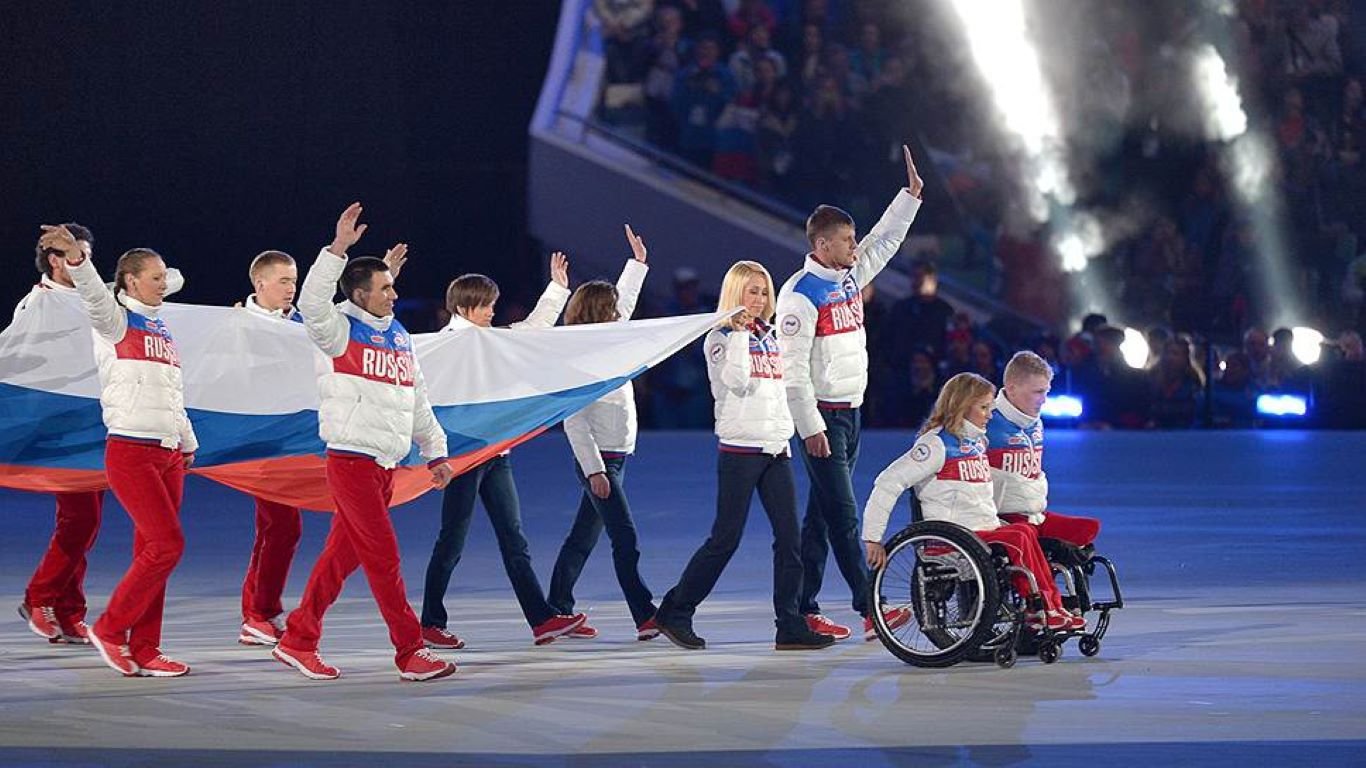
According to Novyny.live: The Italian government has formally objected to a decision by the International Paralympic Committee (IPC) to permit Russian and Belarusian athletes to participate in the 2026 Paralympic Games in Milan and Cortina d'Ampezzo. This ruling, which allows six Russian and four Belarusian competitors to display their national emblems and anthem, has provoked significant controversy within Italy. The move comes amidst ongoing international debate over the appropriate status of athletes from these nations in global sports.
In a joint statement, Deputy Prime Minister and Foreign Minister Antonio Tajani and Minister for Sport and Youth Andrea Abodi reinforced Italy's stance. They noted that Italy, alongside 33 other nations and the European Commission, disagrees with the IPC General Assembly's September 27th vote to reinstate the membership of the Russian and Belarusian Paralympic committees. This development has caused concern among countries that continue to support sanctions against Russia and Belarus due to their policies.
International Response to the IPC's Move
By taking this position, Italy aligns itself with other states opposing the inclusion of athletes from these countries in international competitions, particularly while disputes concerning international security and sports ethics persist. The IPC's decision has generated a broad reaction across the global community, as the issue of Russian and Belarusian participation in international sports remains highly contentious.
The stance of Italy and other nations underscores the continuing political tensions and divided opinions regarding sporting ethics in the context of global conflicts. Such decisions by international sporting bodies are closely watched, as they can set precedents with long-term implications for the future of international athletic cooperation and the relationship between sports and geopolitics.
Read also
- Former Italian Spy Arrested for Selling Ukraine’s Air Defense Secrets to Russia
- Two Russian Military Attachés Expelled from Italy Over Espionage: Here’s What We Know
- Two Russian Attachés Expelled from Italy Over Espionage: Here’s What We Know
- Global Leaders Condemn Russian Strike on UNESCO World Heritage Site in Kyiv
- Zelenskyy Hosts Top Diplomats from Germany and Italy: Key Talks in Kyiv
- Security Concerns Over the Strait of Hormuz Blockade Top the Agenda in Zelenskyy’s Talks With Italy and Germany