Ivan Skoropadsky: A Man of His Era Crowned Hetman Amidst War and Political Scheming.

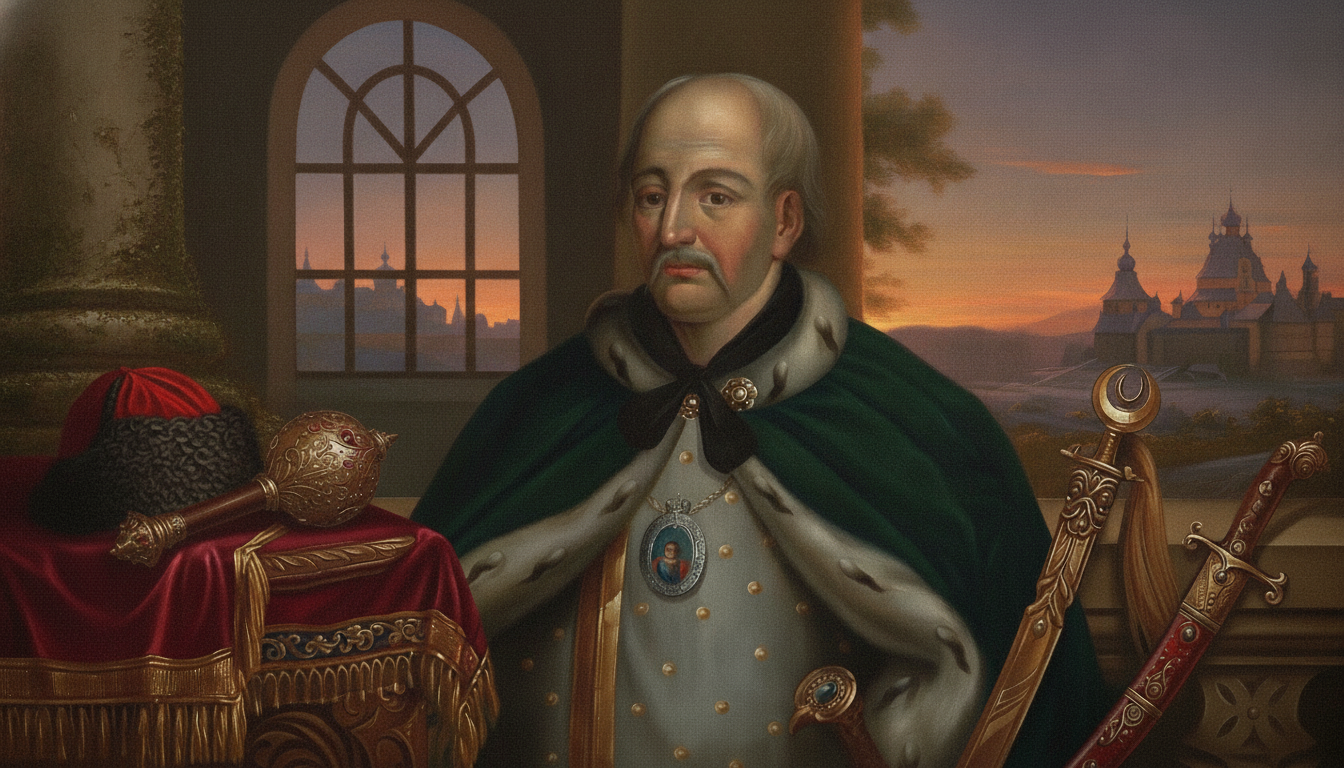
The Life and Legacy of Ivan Ilyich Skoropadsky
According to Espreso.tv: Born in 1646 in the town of Uman, Ivan Ilyich Skoropadsky emerged as a prominent Ukrainian political figure. His career was shaped by pivotal historical events, including his decision to side with Swedish King Charles XII and the subsequent erosion of the Hetmanate's autonomy under Russian pressure. Skoropadsky's education at the Kyiv-Mohyla Academy laid the groundwork for his later political influence.
The 1648 uprising led by Bohdan Khmelnytsky marked a crucial turning point in Ukrainian history. In 1674, the Skoropadsky family relocated to the Left Bank of the Dnipro River, a move that would significantly impact Ivan's future. Over the course of his career, he held several key positions, including:
- Regimental clerk of Chernihiv
- General Bunchuzhny (standard-bearer) from 1698 to 1699
- General Osavul (adjutant) from 1701 to 1706
In 1706, Skoropadsky was appointed colonel of Starodub, a testament to his considerable sway in both military and political circles at the time.
Skoropadsky's Time as Hetman
In November 1708, Ivan Skoropadsky was proclaimed hetman, the pinnacle of his career. However, his rule was fraught with challenges, notably relentless pressure from Russia and the logistical strains of mass migration. Between 100,000 and 200,000 people relocated from the Right Bank to the Left Bank, placing immense strain on the hetman's administration.
Skoropadsky died on July 14 (Old Style: July 3), 1722, in Hlukhiv. He was interred at the Hamaliyivskyi Monastery, marking the end of a life filled with political triumphs and trials. Ivan Ilyich Skoropadsky left behind a significant legacy that continues to be examined by historians and scholars.
To better understand Ukraine's turbulent 17th and 18th centuries, one must look at figures like Skoropadsky. His life vividly illustrates the political struggles and shifting alliances of the era. His actions reflect the complex relationship between Ukrainian autonomy and the Russian tsardom, as well as the impact of external forces like Swedish expansion. Studying his legacy offers valuable insight into the historical context of the time and its lasting effects on Ukraine's future.
Read also
- EU Urged to Sanction Rosatom and Roscosmos: Ukraine's Foreign Minister Makes His Case
- France and the UK to Hold Military Drills in Poland as the 'Coalition of the Willing' Launches an Anti-Ballistic Alliance
- EU's 21st Russia Sanctions Package Stalled as Greece and Austria Raise Demands
- Trump Demands Payment from Five Nations for Protecting the Strait of Hormuz
- Ukraine Gains as 37 Nations Form Ballistic Defense Alliance
- Putin Refuses to Halt War Without Concessions as Russia Faces Fuel Shortages and Plummeting Approval Ratings