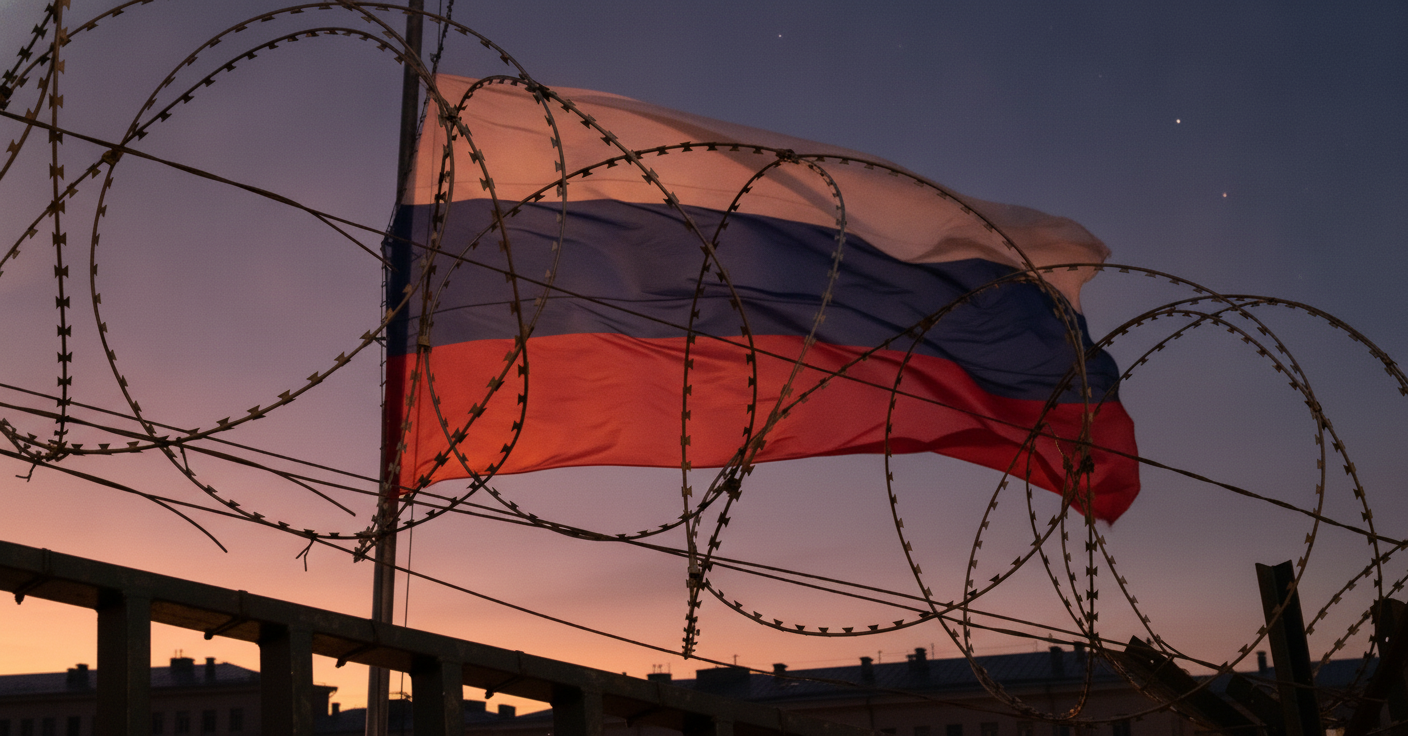
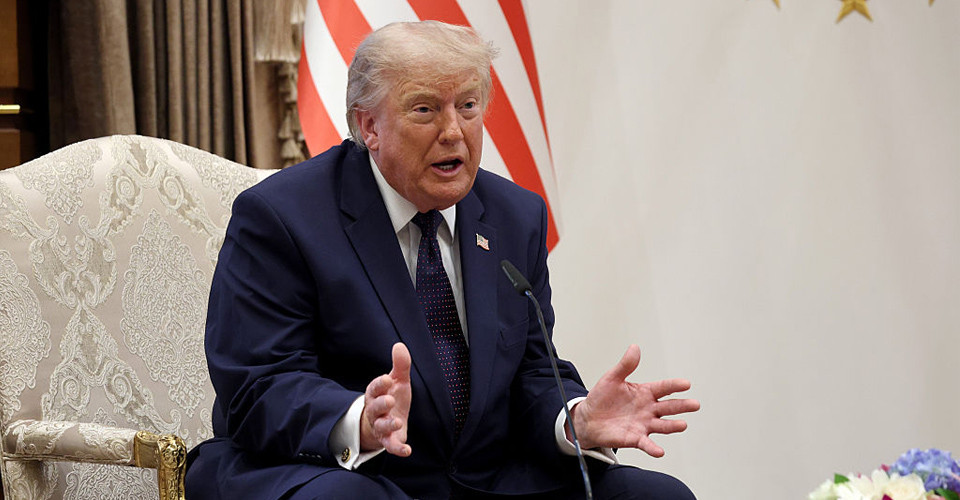
Putin Refuses to Halt War Without Concessions as Russia Faces Fuel Shortages and Plummeting Approval Ratings.

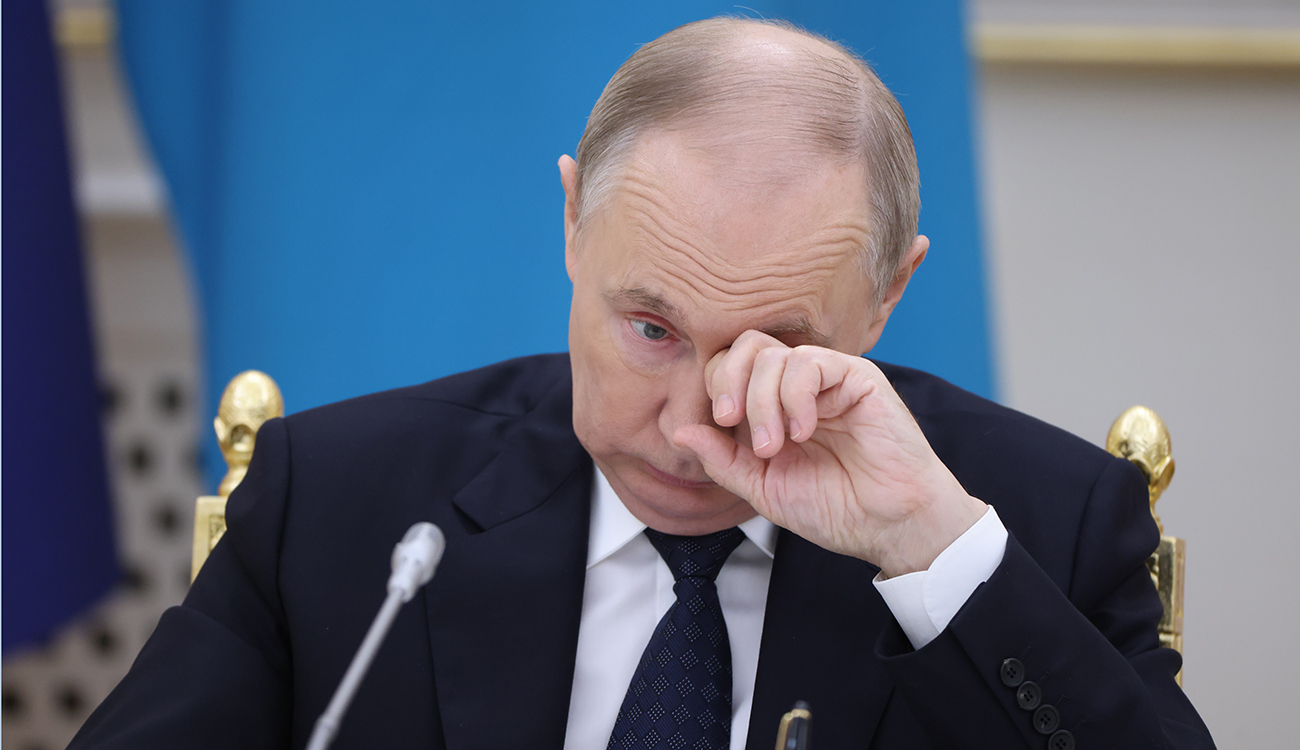
Russia's Current Climate and Putin's Stance on the Ukraine War
According to UATV: Vladimir Putin maintains an uncompromising position on the conflict in Ukraine, rejecting any ceasefire unless political concessions are made. Meanwhile, conditions inside Russia are deteriorating, driven by economic fallout that has sent fuel prices soaring and the president’s approval ratings into decline. These mounting challenges come just two months before the State Duma elections, adding pressure on the Kremlin.
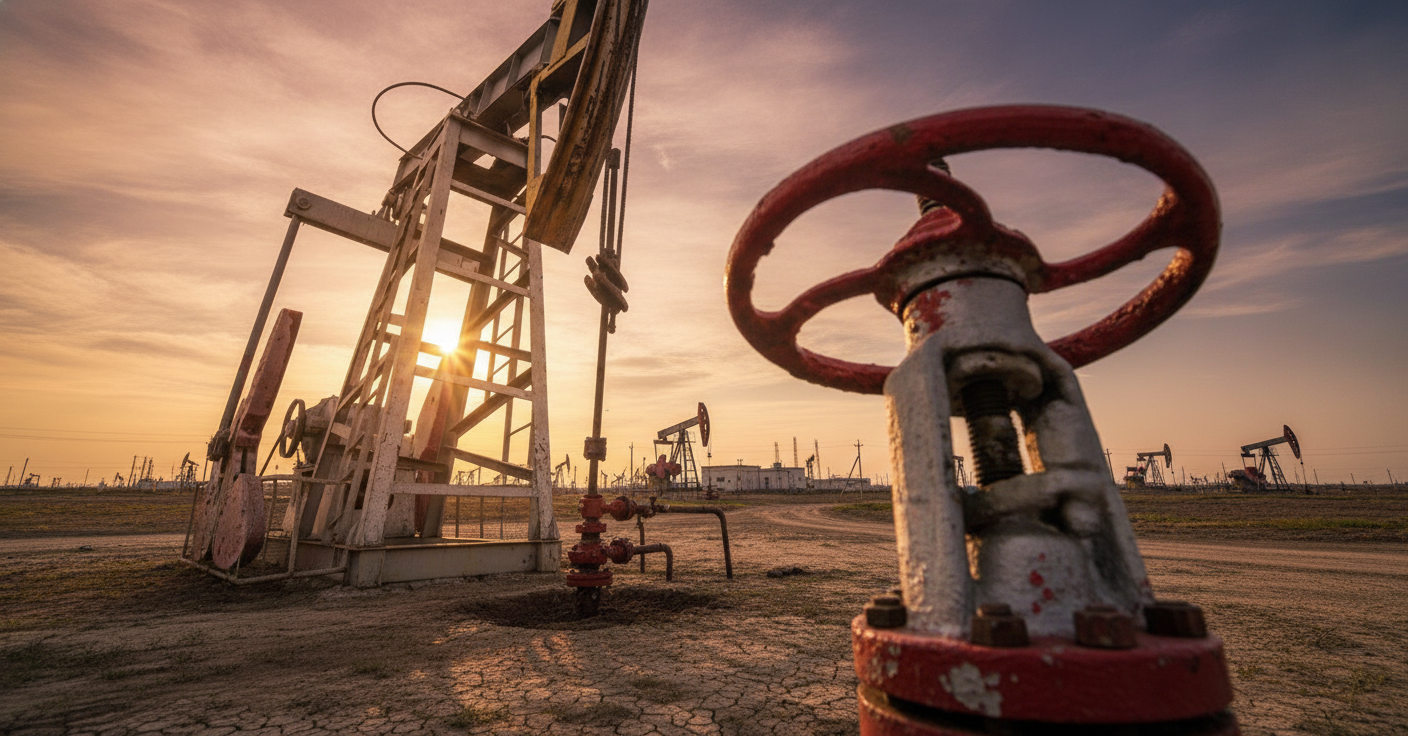
Gasoline shortages have now been recorded in 78 out of Russia’s 83 regions. This scarcity has pushed fuel prices up by nearly 20% over the past year. Against a backdrop of economic instability and growing public discontent, Putin’s approval ratings have dropped for two consecutive weeks. Political analysts view this downward trend as a potential warning sign of waning regime stability.
How Economic Strain Is Shaping the Political Landscape
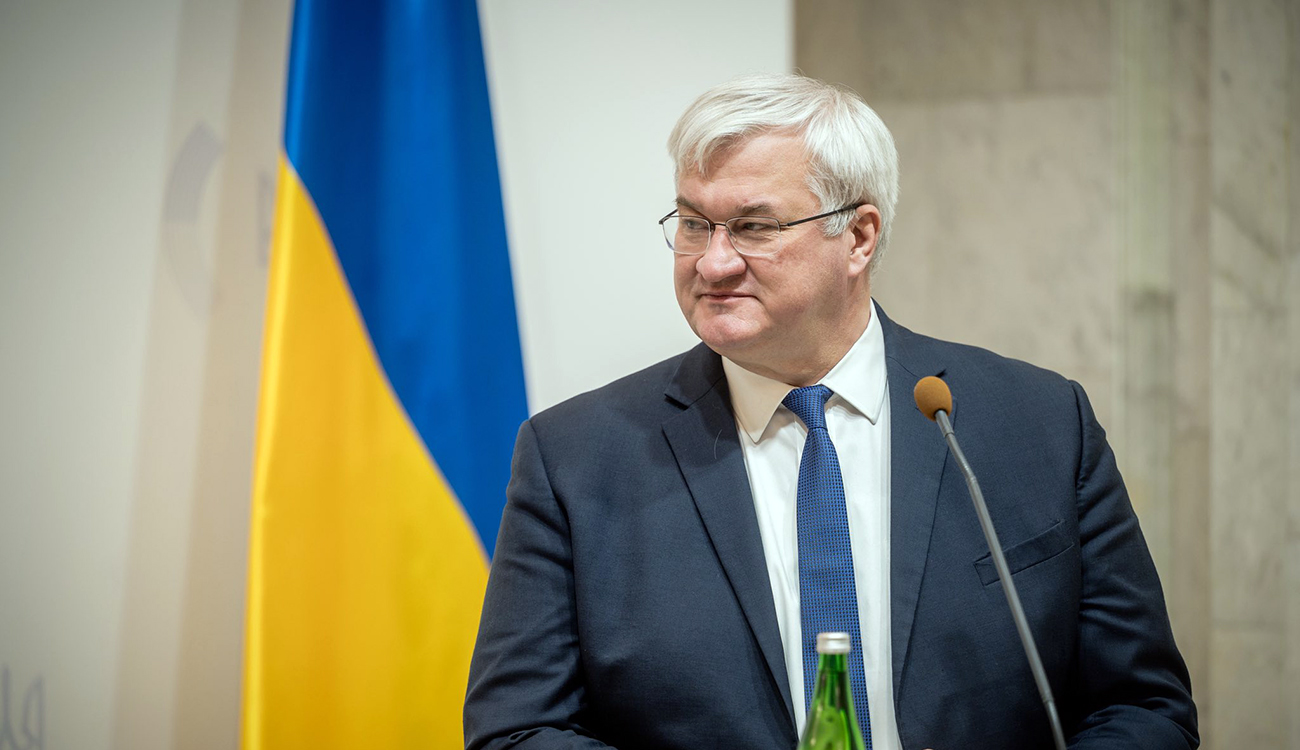
“The decision to stop hostilities is made personally by Putin”
Vitaliy Kulyk
This statement highlights that the president alone controls the next steps on the battlefield. Olga Kurnosova adds that “the more strikes Ukraine carries out, the more the potential terms of a peace agreement may shift.” These remarks suggest that military developments could directly influence political negotiations, making a peace settlement even more elusive.
As a result, the economic hardships tied to rising fuel costs and falling presidential approval ratings are poised to significantly affect Russia’s domestic politics. The situation remains tense, and Putin’s upcoming decisions regarding the war in Ukraine may prove pivotal for his political future.
With intensifying pressure on both the economy and internal governance, Putin’s approach to the Ukraine war is becoming increasingly critical—not only for international relations but also for his own political survival. Ending hostilities without major concessions could be seen as a sign of weakness, while prolonging the conflict risks further eroding his popularity, which could in turn threaten the stability of his regime.
Read also
- Russia Plunges Into the Abyss: Opposition Warns of a Collapse in Putin’s Regime
- Why Putin Has No Choice but to Declare Full Mobilization, According to a Former Israeli Ambassador
- Putin Is Losing the War and Faces a Tough Choice, Expert Warns
- Why Ukraine Must Consider Concessions as Putin Signals Readiness to Prolong the War
- Russia Set for Rocket Launches from Plesetsk: Key Details on the 'Rassvet' Mission
- By Fall 2023, Putin Faces a Dilemma: Personal Defeat or National Loss