Floating Solar Station Developed by Canadian Scientists: How Much More Efficient Is It Than Conventional Models?.

Breakthroughs in Renewable Power Generation
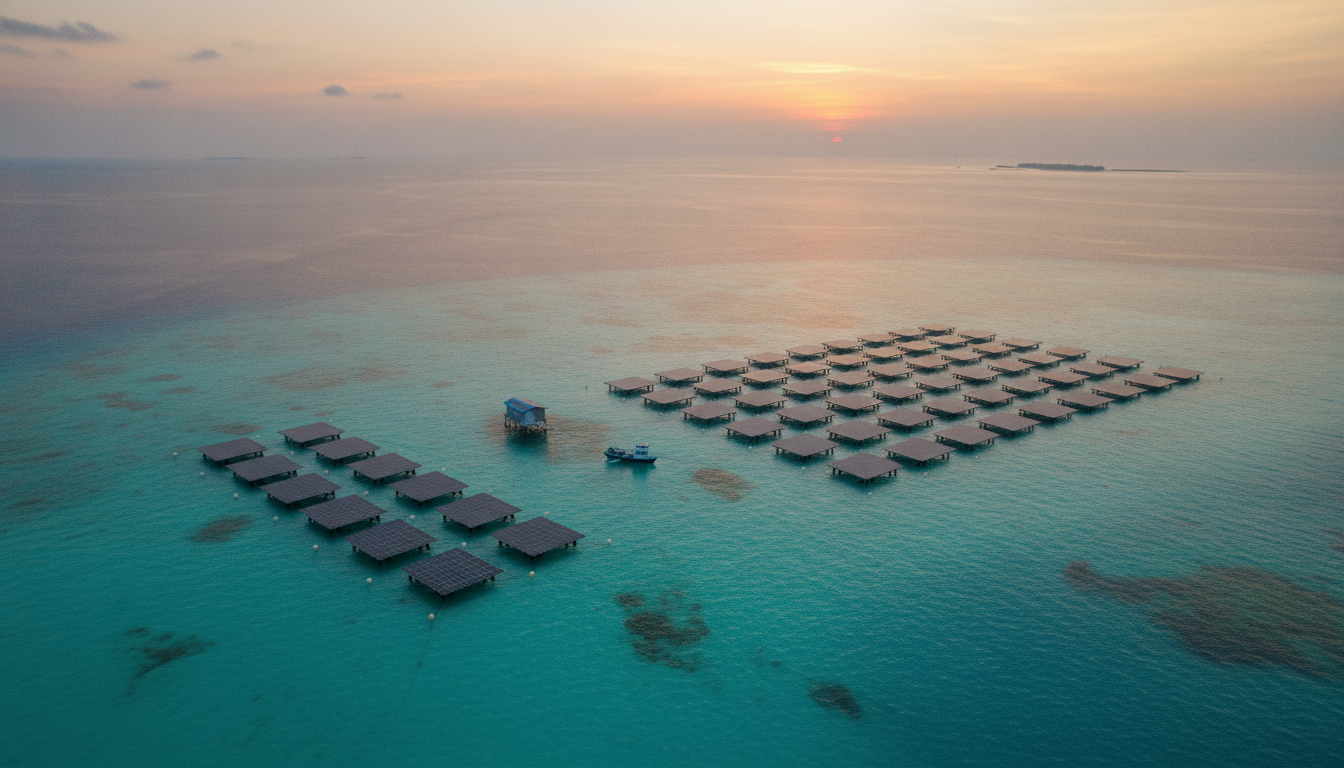
According to Novyny.live: Researchers at Western University in Canada have engineered a novel floating photovoltaic system built on a foam-based platform, demonstrating promising results in electricity production. Over a one-year period, the setup generated 7.7 MWh of power—outperforming a standard reference floating system by 2.7%. This achievement highlights the potential of floating solar (FPV) technology in cold climates, where traditional solar panels often struggle.
System Performance and Reliability
A standout feature of this design is its use of air bubbles, which consumed just 0.02% of the total electricity produced, underscoring the system’s high efficiency. Even during harsh winter storms, power generation dipped by only 14.5%, proving the technology’s resilience under extreme weather conditions. According to calculations, if this system covers half of a pond, it could conserve roughly 927 cubic meters of water annually, opening up new possibilities for solar applications where conventional methods fall short.
These findings could mark a significant milestone in advancing renewable energy, particularly for reducing emissions and ensuring stable power supply in cold regions. The innovation from Canadian researchers may reshape the energy sector, especially in nations with chilly climates where traditional solar technologies are less effective. Floating photovoltaic systems could become a key tool in combating climate change, offering a sustainable and eco-friendly solution for electricity generation. This breakthrough is also expected to spur further research and investment into cutting-edge renewable energy technologies.
Read also
- New York Breaks Ground on 373-Meter Skyscraper: The Second World Trade Center
- NVIDIA Unveils DLSS 5: Three AI Models for Gaming, Launching This Fall
- Ukraine’s Defense Ministry Unveils New Robotic Combat System ‘Mini Strike Serpent’ – Key Details Inside
- Ukraine's Drone Forces Sink 183 Russian Shadow Fleet Vessels, Unleash New Missiles and Strike Crimea
- Ukrainian Firm SkyFall Unveils P1-SUN Jetkiller Interceptor Drone: Key Details Emerge
- World’s First 500 MW Impulse Hydropower Plant Under Construction in China: Trials Succeed