Kyiv Residents Turn to Hot Water Bottles as Indoor Temperatures Plummet to +8°C.

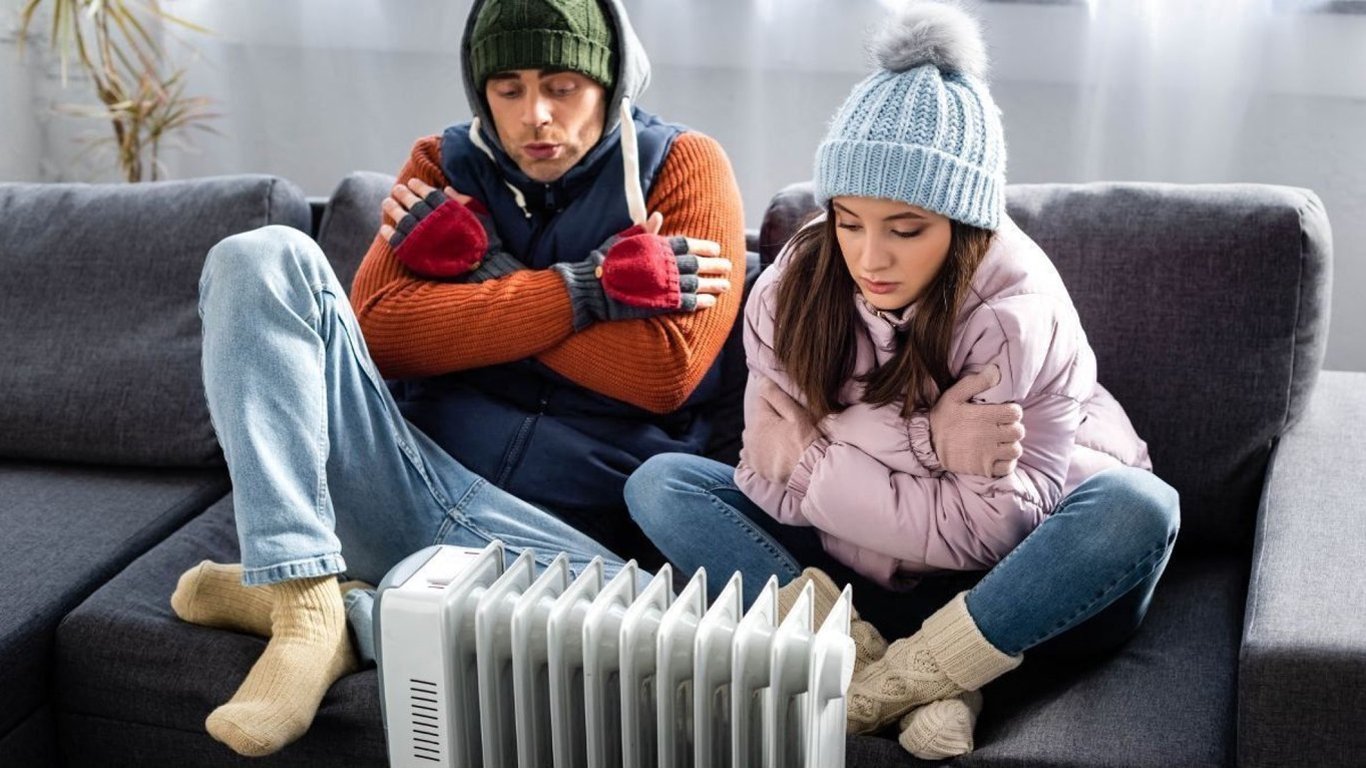
Critical Heating Crisis Hits Kyiv Homes
According to Novyny.live: With indoor temperatures in Kyiv dropping to a critical range of +8 to +12 degrees Celsius, residents are resorting to extreme measures to stay warm. This severe energy crisis has forced many to adopt unconventional heating methods, such as using hot water bottles and heated bricks to generate warmth. The situation underscores the severe strain on Ukraine's civilian infrastructure following months of targeted attacks on its energy grid.
More than 1,600 apartment buildings in the city remain without central heating. Electric heaters, which could offer some relief, are only functional during the intermittent periods when the power is on. Emergency repair crews are working 14-hour shifts to restore the heating supply, but the situation remains complex and challenging.
Volunteer Aid and Alternative Heating Methods
In response, volunteers from the World Central Kitchen have provided a significant boost by distributing 20,000 hot meals to the capital's residents. To cope with the cold, Kyiv's citizens are layering up with warm clothing and sleeping under multiple blankets. Some residents, however, express frustration that the authorities failed to adequately prepare for this predictable winter crisis.
“Couldn’t they have prepared for this?” one resident asks.
Kyiv's population continues to endure these hardships, striving to create the basic living conditions necessary to survive the freezing temperatures.
The heating situation in Kyiv highlights the profound consequences of the ongoing energy crisis on daily life. As home temperatures fall, the reliance on alternative heating sources becomes critically important, raising concerns about the potential for similar emergencies in the future. While support from volunteer groups like World Central Kitchen is vital for immediate relief, long-term solutions will require a comprehensive approach to rebuilding infrastructure and ensuring a stable heating supply.
Read also
- Kyiv Building Collapse Search Ends: 30 Dead from Russian Strike
- Emergency Power Cuts Hit Kyiv and Region: What We Know About Ukrenergo’s Restrictions
- Smog Engulfs Kyiv Due to Fires and Shelling: How Long Will the Pollution Last?
- Missile Strike Devastates Kyiv Biochemistry Institute: Key Labs Destroyed
- Kyiv Death Toll Hits 30 After Apartment Strike; Rescue Teams Search for 8 Missing
- July 3rd Strike on Kryvyi Rih Region: One Dead, Five Wounded Hospitalized