Kyiv's $1.5 Billion Energy Resilience Plan Faces Major Funding Shortfall.

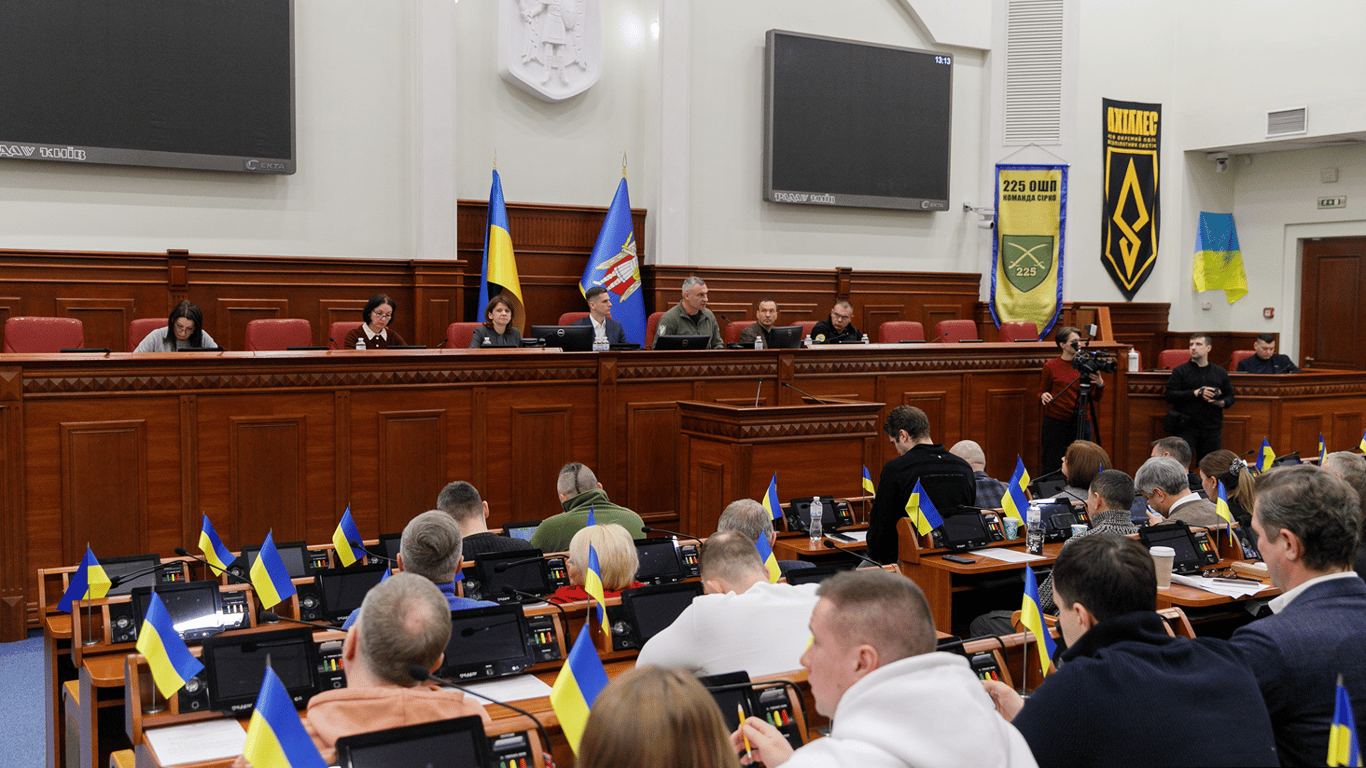
Kyiv City Council's Energy Resilience Strategy
According to Novyny.live: On March 10, the Kyiv City Council approved a three-year energy resilience plan for the community, with a primary focus on the first year. The total cost of this plan exceeds 60 billion hryvnias (approximately $1.5 billion USD), yet only about one-sixth of that sum is currently available. This funding gap raises significant concerns about implementation, especially as preparations for the 2025-2026 heating season have already been deemed insufficient.
Kyiv's Heating Supply Crisis
Approximately 140,000 apartments, equivalent to 825 residential buildings, currently lack heating in Kyiv. Mayor Vitali Klitschko emphasized that Kyiv operates the largest centralized heating system in Ukraine and noted that 18% of the country's apartment buildings are located in the capital. The city's infrastructure has been severely strained by ongoing conflict.
"There were no questions about the plan itself, only about why this plan had not been signed,"
Vitali Klitschko
Andriy Vitrenko argued that "at a minimum, we must ensure Kyiv residents have heat." Meanwhile, Maksym Bakhmatov has accused Mayor Klitschko of contributing to an energy collapse in the capital. These criticisms highlight the critical importance of energy resilience and reliable heating for the city's inhabitants, a concern that grows more urgent with each passing winter.
The resilience plan aims to reduce dependency on centralized systems and includes the restoration of destroyed critical infrastructure equipment. However, given the current funding shortage and inadequate preparations for the heating season, its successful execution is now in serious doubt. With a significant number of households still without reliable heat, the plan's implementation is crucial for ensuring livable conditions, particularly during cold weather. The public criticism of the mayor and concerns over financing are likely to influence future decisions on the city's energy policy.
Read also
- Kyiv Military Administration Chief Tkachenko Dismissed Under Decree No. 615: Key Details
- Kyiv Under Night Attack: Warehouses Struck and School Damaged
- Kyiv Missile Strike: 12 Dead, 49 Wounded, Including 5 Children
- July 6 Kyiv Attack: 15 Dead, 60 Wounded, 30 Buildings Damaged in Massive Strike
- Kyiv Attack Death Toll Reaches 12, with 60 Injured
- July 6 Missile Strike on Kyiv: 11 Dead, 46 Wounded, Residential Buildings Damaged