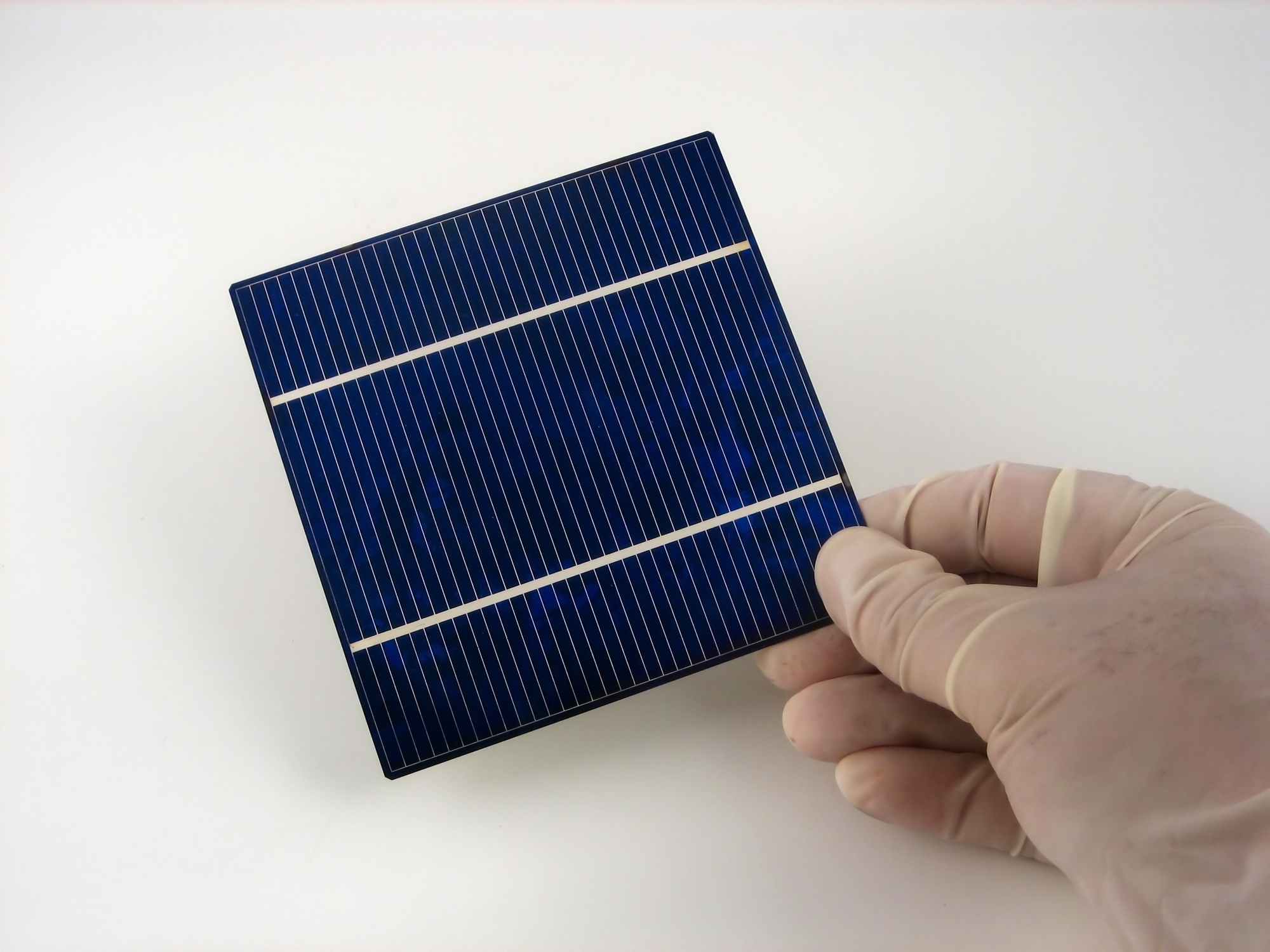
Chinese scientists create the first stable hydride-ion battery.

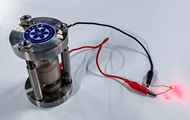
According to Korrespondent.net: A team of scientists from Jilin University and the Chinese Academy of Sciences has announced a significant breakthrough in energy storage technologies. They have created the world's first stable battery that operates at room temperature and uses hydride ions (negatively charged hydrogen ions) as charge carriers. This announcement was published by the South China Morning Post.
Characteristics of the new battery
The researchers noted that the new electrolyte based on rare earth elements provides a capacity of up to 984 mAh per gram, which is six times higher than the performance of conventional lithium-ion elements (150-300 mAh/g). During testing, a multilayer prototype with a voltage of 1.9 V successfully powered a LED, confirming the practical viability of this technology.
The key to success
The main factor that contributed to this success was the combination of cerium hydride with a barium hydride shell, which showed a high conductivity rate of hydride ions at room temperature and stability.
Prospects for development
Although after 20 cycles of charging and discharging the capacity dropped to 402 mAh/g, the scientists believe that it can be improved using methods that have already been developed in hydrogen storage areas. Additionally, the use of hydride ions has the potential to avoid dendrite formation - 'metal spikes' that can reduce the longevity and safety of lithium batteries.
It was previously reported that Japan introduced the world's first sodium-ion power bank.
Scientists have developed an effective and environmentally friendly method for recycling batteries
News from Korrespondent.net on Telegram and WhatsApp. Subscribe to our channels.
A breakthrough in energy storage technologies could significantly impact the energy sector. With new hydride-ion batteries, there is a possibility to develop more efficient and safer solutions for electric vehicles, portable devices, and renewable energy sources. These studies may also open new paths in the fight for environmental sustainability and reducing dependence on lithium. This is an important step for the future of technologies that require high energy efficiency and safety.
Read also
- Antique Musket Balls Repurposed Into Solar Cells with 94% Efficiency
- South Korea Patents a Silent Engine for Air Taxis
- 144 FPS at 4K: A Gamer Pairs an RTX 3090 and RTX 3050 for Stunning Performance
- Snapdragon 8 Elite Gen 5: Qualcomm’s New Chip Targets Sub-$600 Smartphones
- Samsung Unveils Three New Odyssey Gaming Monitors: Specs and Features Revealed
- Plastic Waste Converted into Jet Fuel: New Breakthrough by Chinese Researchers