Russia's Cognitive Warfare: How the 'Russian World' Ideology Paved the Way for the Invasion of Ukraine.

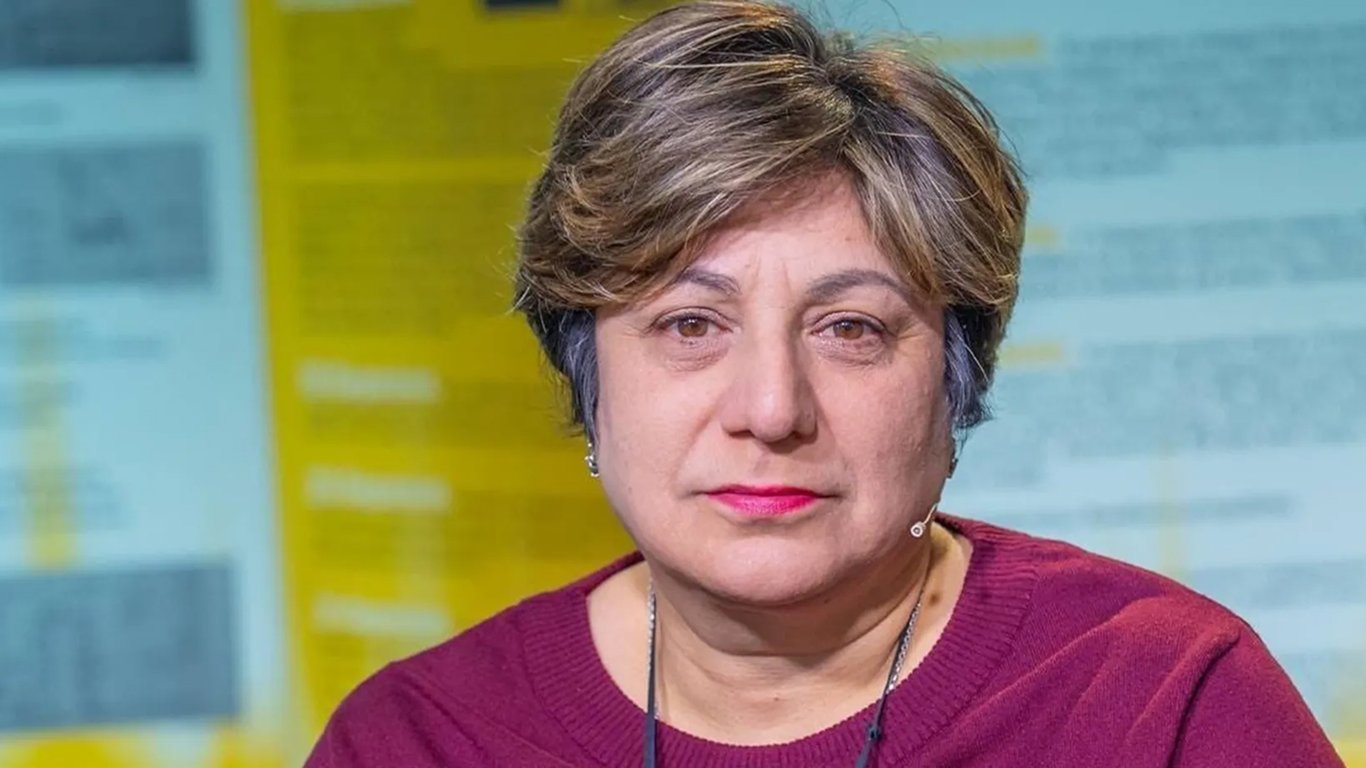
The Impact of Cognitive Warfare on Ukraine
According to Novyny.live: Russia has long employed cognitive warfare as a key instrument in its conflict with Ukraine, aiming not merely to sway public opinion but to fundamentally alter how a population thinks. This strategic form of conflict predates the full-scale invasion, indicating years of deliberate preparation. Renata Marutyak, Director of the Institute of National Resilience and Security, noted that while pinpointing an exact start date for this cognitive war against Ukraine is difficult, a pivotal shift occurred following Vladimir Putin's rise to power. This type of warfare represents a modern evolution in conflict, where information and psychological manipulation are as critical as traditional military force.
The 'Russian World' Concept
The foundational element of Russia's cognitive campaign is the 'Russian World' ideology, which began taking shape in the 2000s. As Renata Marutyak observed, it was from this period that we see the active formation of this concept. Its development involved key figures such as:
- Alexander Dugin
- Vladislav Surkov
- Sergei Kiriyenko
- Alexander Kharichev
The latter recently presented a report in Moscow on Russia as a 'state-civilization.' For many years, the cognitive war, built upon this 'Russian World' concept, has served as a crucial tool for shaping perceptions of Russia's global role and influencing public consciousness within Ukraine. This sustained, systematic approach underscores the seriousness of Russia's long-term strategy on the information front, seeking to legitimize its actions by reshaping historical and cultural narratives.
As a new dimension of contemporary conflict, cognitive warfare highlights the increasing significance of information and psychological strategies in military engagements. Given current trends in information security, such campaigns can profoundly affect societal sentiments, molding perceptions of reality both inside Ukraine and internationally. Understanding the mechanisms of this cognitive war is therefore critical for countering disinformation and safeguarding national security.
Read also
- The Russian World Has No Borders: Putin's Advisor Unveils Kremlin's Imperial Ambitions
- "Maidan-3": GUR named several participants in the information operation against Ukraine