Scrap Metal Rules: What You Can Sell and What Carries a Fine.

Understanding Scrap Metal: Legal Sales and Penalties
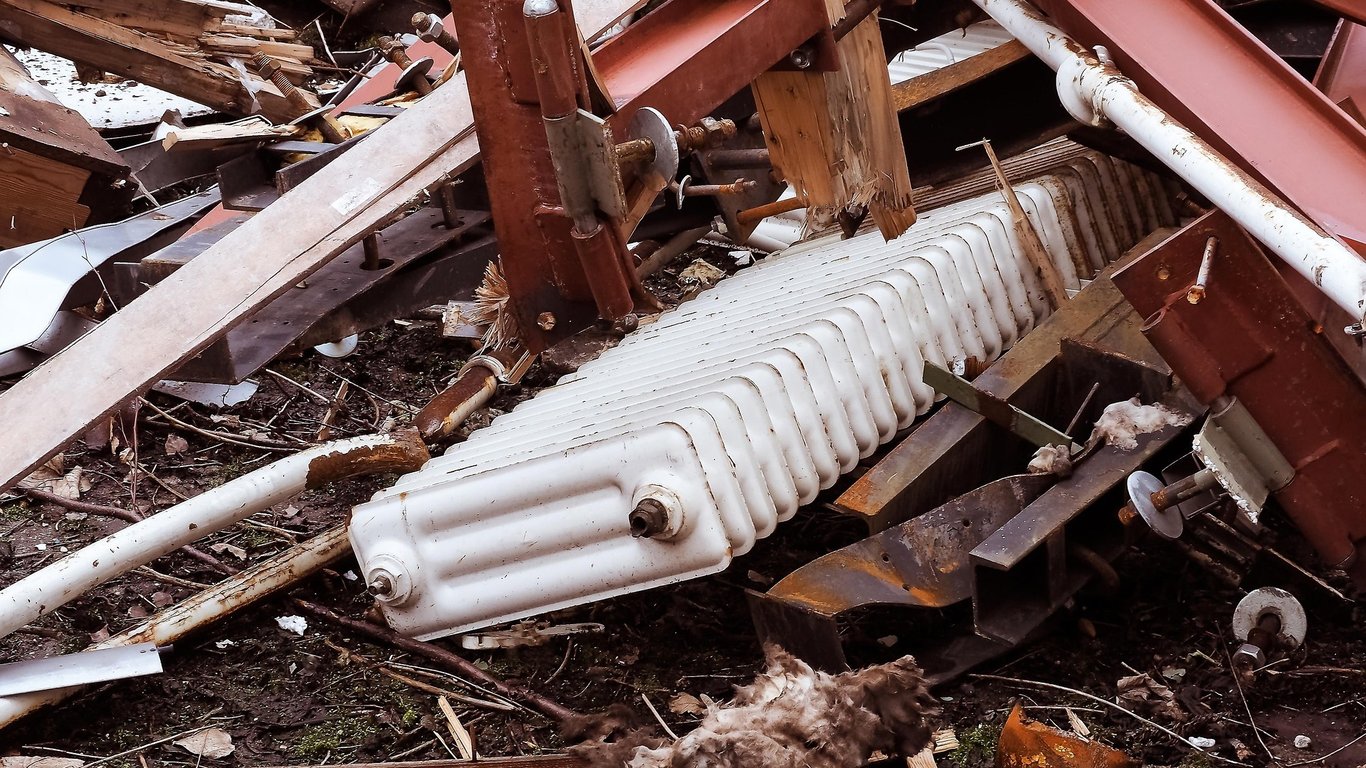
According to Novyny.live: While selling scrap non-ferrous metals can provide Ukrainians with extra income, not every item is legally eligible for recycling. It is crucial for citizens to understand which metals can be sold legally and which are prohibited to avoid serious penalties. This is particularly relevant as many people collect and sell scrap metal for additional funds.
As of mid-January 2026, the average price for copper is 360 UAH per kilogram, while aluminum prices range from 70 to 100 UAH per kilogram. These market rates can be a strong incentive for individuals to gather and sell scrap. However, before taking any metal to a scrapyard, it is essential to be aware of the legally banned items.
Items Prohibited from Being Sold as Scrap
Ukrainian law explicitly forbids accepting certain items at scrap yards. The prohibited list includes:
- Structures with elevated levels of radiation or toxicity;
- Sealed, airtight containers with unknown contents;
- Munitions and explosive devices;
- Radiators containing unclassified fluids;
- Property belonging to another private owner;
- Elements of railway infrastructure;
- Gravestones and memorial plaques;
- Items of historical or cultural value;
- Municipal property, such as manhole covers and grates.
Violating these scrap metal regulations can result in significant fines. According to Article 164-10 of the Code of Administrative Offenses, the penalty for non-compliance ranges from 8,500 to 17,000 UAH. A repeat offense within a year can lead to even harsher sanctions, with fines from 17,000 to 51,000 UAH.
Knowing the rules for selling scrap metal is vital not only to avoid fines but also to ensure public safety and environmental protection. Individuals intending to sell scrap must be aware of legal restrictions to prevent actions that could endanger their health or break the law. Although rising metal prices encourage scrap collection, understanding the associated risks and responsibilities is key to a safe and lawful process. These regulations are common in many countries to prevent theft and environmental hazards.
Read also
- Russia Sets Record in Gold Sell-Off: What It Signals for the Economy
- Putin’s Economic Claims Exposed as Manipulation by Ukraine’s Disinformation Center
- Rheinmetall to Double Gunpowder Output: What This Means for Ukraine
- Azerbaijan Steps Up as Europe's Energy Alternative: Gas Deliveries to Germany Already Underway
- IMF Demands Utility Rate Hikes as Naftogaz Debt Surges 63%
- 12 Red Flags for Shell Companies Identified by Ukraine's Central Bank: Banks Ordered to Scrutinize Importers