Russia Prepares for Limited Reserve Conscription: New Laws and Their Implications.

Russia's Limited Reserve Conscription Plans
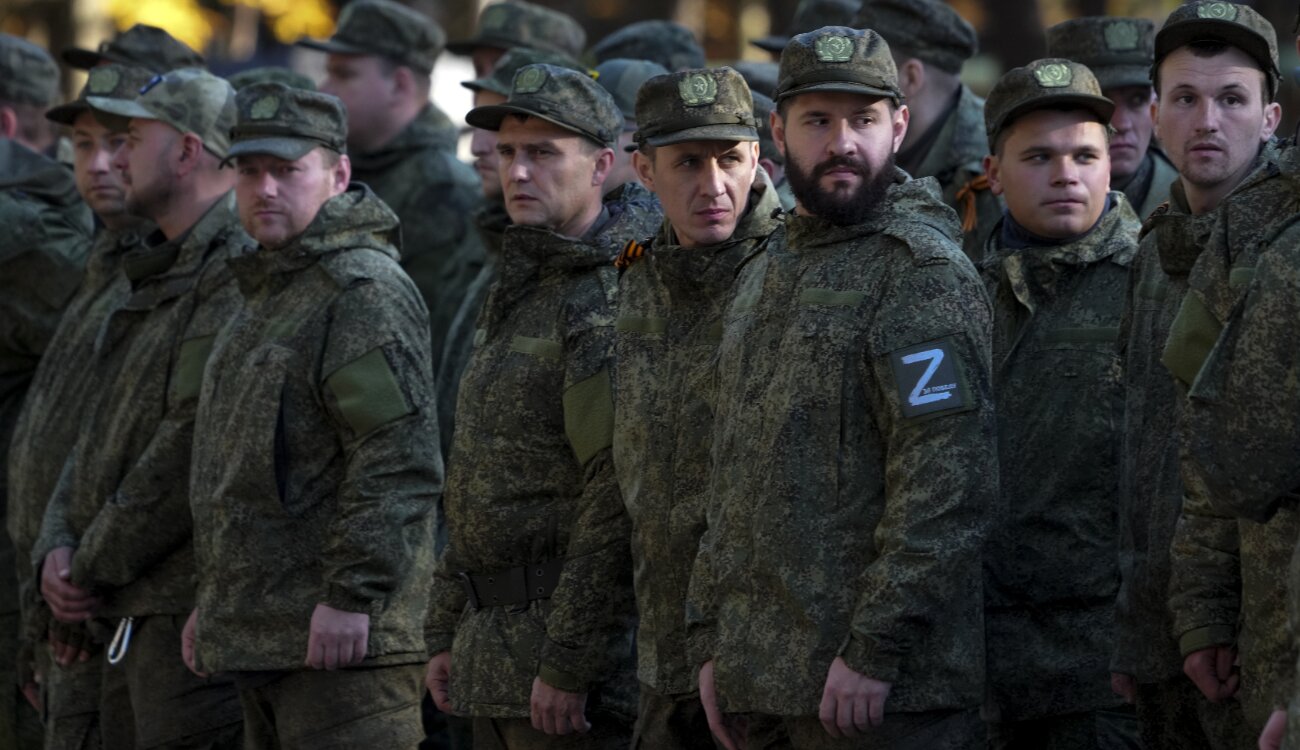
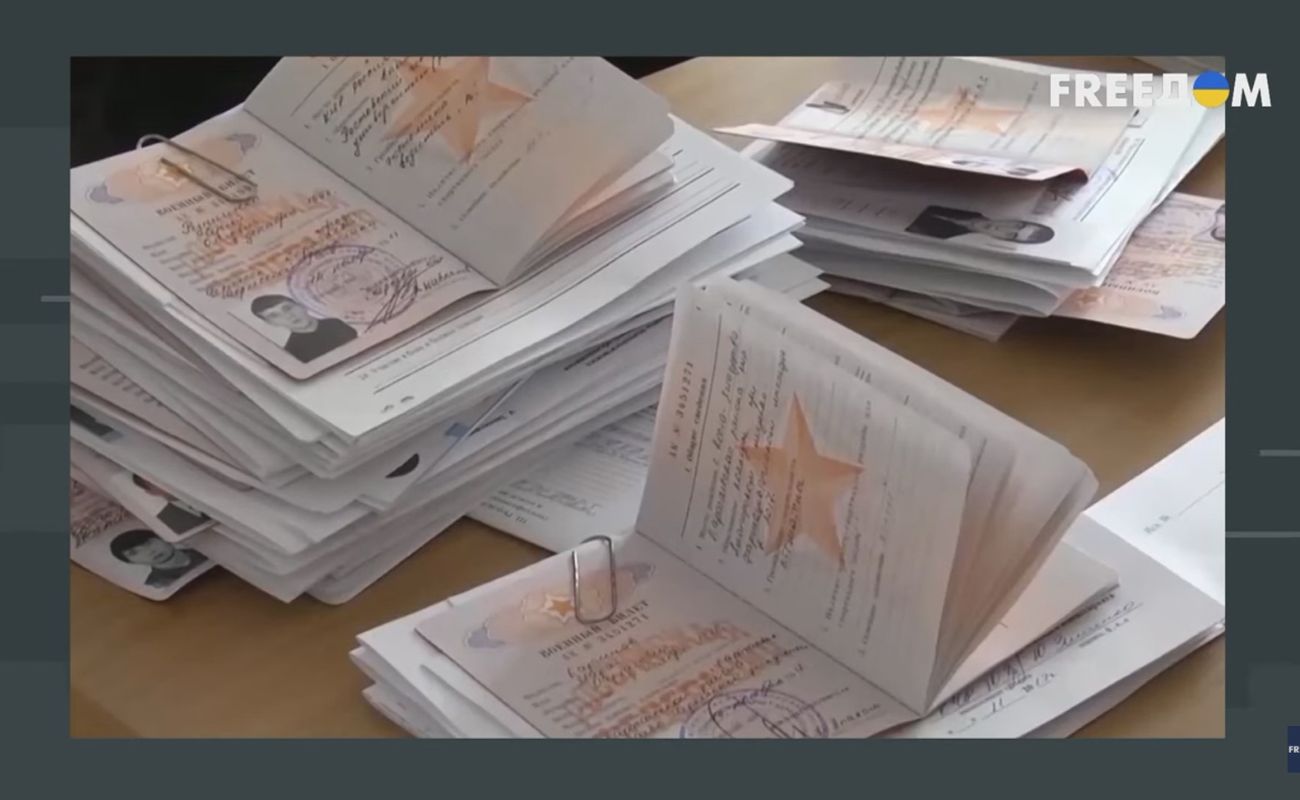
According to UATV: In response to losses in its war against Ukraine, the Kremlin is laying the groundwork for a limited call-up of military reservists. The Russian government has passed a bill to increase penalties for draft evasion. Preparations for these limited conscription drives have been ongoing since the autumn of 2025. This move signals a continued effort to bolster troop numbers without resorting to a full-scale national mobilization.
Legislative Initiatives
On February 18, 2026, the State Duma of the Russian Federation approved a bill in its first reading that strengthens penalties for 'distorting historical truth' and 'evading the duty to defend the Motherland.' According to Anatoly Vyborny, this initiative aims to shape public perception of draft dodging as 'socially unacceptable.'
In October 2025, the Russian government adopted a bill allowing reservists to be deployed outside the country without an official declaration of mobilization. This decision supports the authorities' efforts to sustain military operations while avoiding formal procedures that could trigger public backlash.
In November 2025, President Vladimir Putin authorized the conduct of conscription events throughout the entire year. This measure expands opportunities for organizing call-ups and underscores the Kremlin's intent to maintain a steady reserve of military personnel.
Furthermore, in December 2025, Putin signed a decree mandating the forced involvement of inactive reservists in 'military training' for 2026. This step indicates a growing need for military resources and the government's readiness to use all available tools to support its military operations.
It is worth noting that the large-scale mobilization in September 2022 caused widespread public discontent. The current authorities are now attempting to find ways to control the situation, including by increasing penalties for draft evasion and altering legislation concerning reservists.
These Kremlin actions point to serious problems with army staffing and a high likelihood of further escalation in military conflicts. The legislative changes aimed at controlling draft evasion may also reflect the authorities' growing concern over public perception of military service. Increasing penalties for evasion could be an attempt to reduce social tension caused by past mobilizations. This may also indicate that Russia is preparing for a prolonged conflict, requiring a constant replenishment of its military ranks. The new laws represent a calibrated approach to manpower shortages, seeking to avoid the domestic unrest seen in 2022.
Read also
- Feigin Reveals Who Arranged Melnychenko's Interview and Why Russian Oligarchs Are Fleeing
- Putin’s Approval Rating Plunges to 66% as Russia’s Fuel Crisis Worsens
- Why Russia Sees Turkey as a Viable Negotiation Hub: Three Key Reasons
- Fuel Shortages and Rising Prices Drive Russians to Buy Foreign Currency in Droves
- CIA Director: Russian Soldiers Survive Only 30 Minutes on the Frontline
- Capital Flight from Russia: Why Billionaires Are Moving Assets Abroad