Lithuania to Boycott 2026 Paralympics Over Russian and Belarusian Athletes Competing Under National Flags.

2026 Paralympic Games Boycott Announced
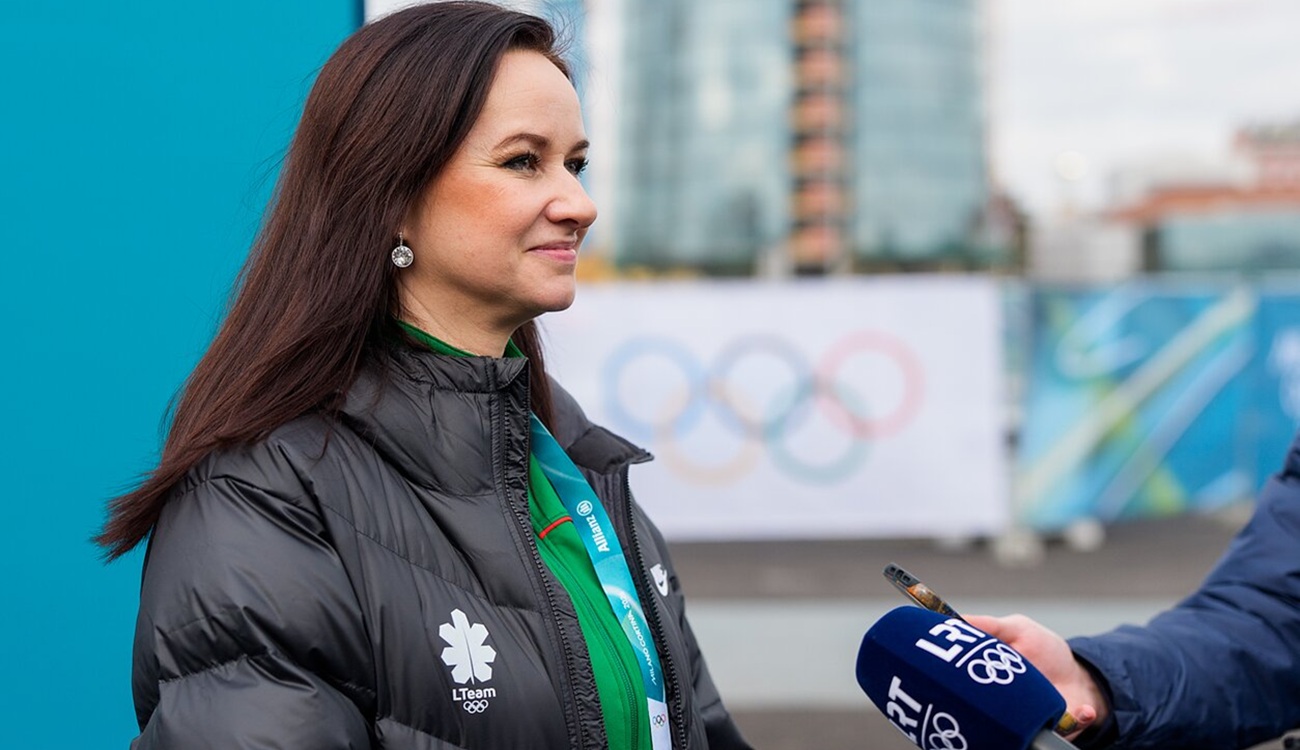
According to UATV: Lithuanian Prime Minister Ingrida Šimonytė has declared that her country will boycott the 2026 Paralympic Games in Italy. The decision, announced on February 19, is a direct response to the participation of Russian and Belarusian athletes under their national flags. Šimonytė emphasized the importance of supporting the Ukrainian people and maintaining European unity in her statement.
The 2026 Paralympics are scheduled for March 6–15 in Milan and Cortina d'Ampezzo. Ten athletes—six from Russia and four from Belarus—are set to compete under their national banners. This move has sparked outrage in Lithuania, contrasting with the earlier decision for the 2026 Olympics, where 13 Russian and seven Belarusian athletes were permitted to participate only under a neutral flag.
'I had planned a trip to support our Paralympic athletes and committee, but this trip will not take place, and our athlete representing Lithuania will have to be honored here, in Lithuania.' Ingrida Šimonytė
Šimonytė further stated: 'We need unity and resilience in the face of any provocations, and we must say that in Europe we are united and believe in Ukraine's victory.' This boycott continues Lithuania's firm stance against the participation of Russian and Belarusian athletes on the international stage. The decision reflects the ongoing geopolitical tensions stemming from Russia's invasion of Ukraine, which began in 2022.
Broader Sentiment in the Baltic Region
Lithuania's action mirrors widespread sentiment across the Baltic states and Eastern Europe, where nations actively oppose the inclusion of Russian and Belarusian athletes in international competitions due to the military aggression against Ukraine. As a staunch supporter of Ukraine, Lithuania aims to uphold principles of fairness and ethics in sport, highlighting the necessity of international solidarity against aggression.
This stance may also influence other athletes and nations, prompting them to reconsider their positions on competing under conditions that contradict the fundamental principles of the Olympic movement.
Read also
- Europe and Ukraine Launch Joint Defense Initiatives: Missile Cooperation and Security Guarantees Take Center Stage
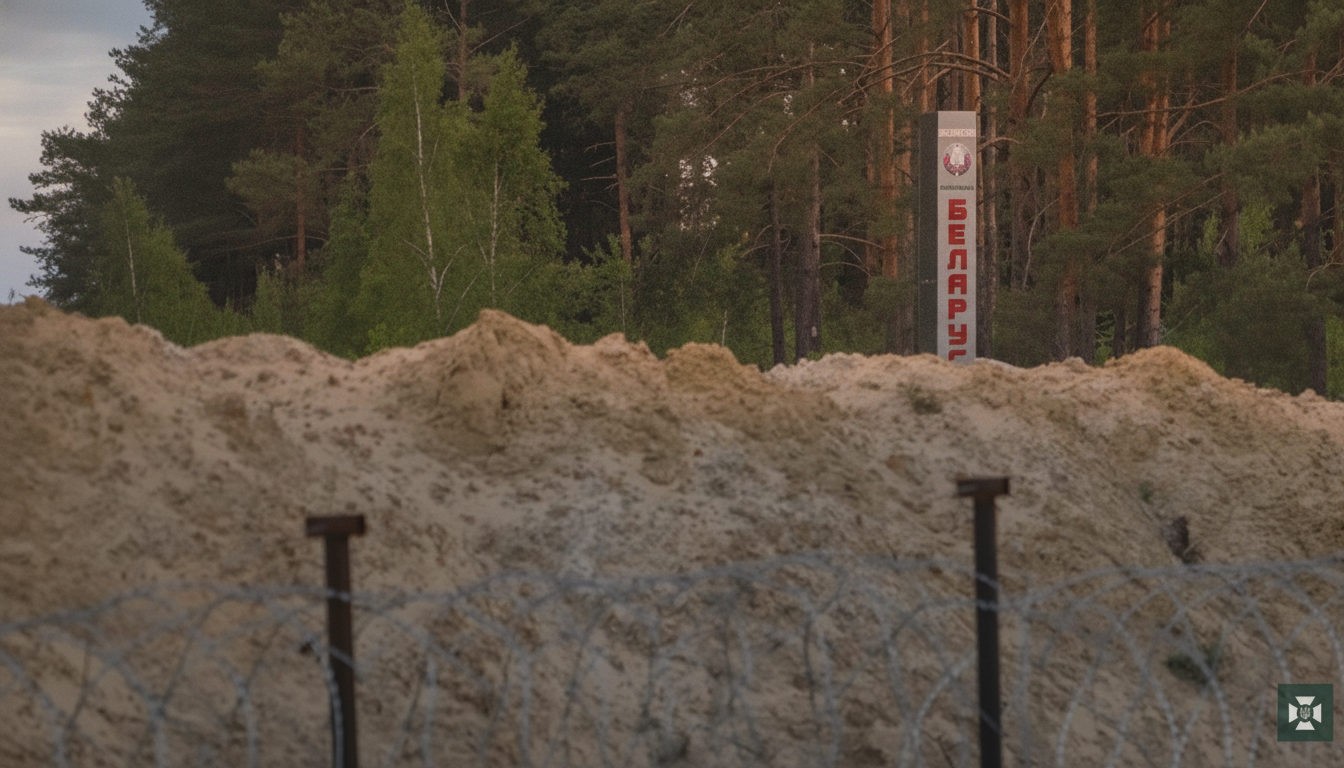
- Concrete fortifications and anti-tank ditches: Ukraine reinforces its border with Belarus
- Moldova and Romania Outraged by German Ambassador’s Remarks on Language and Religion
- Protests Erupt as Defense Minister Fedorov Resigns: Military and Public Push Back
- Germany Raises Threat Level to 'High' and Launches Joint Nuclear Drills with France
- Ukraine’s Ombudsman Calls for Mobilization Overhaul, Warns Impunity at Recruitment Centers Is Radically Polarizing Society