Thwaites Glacier Expedition Uncovers Warmer, Faster-Moving Waters Below.

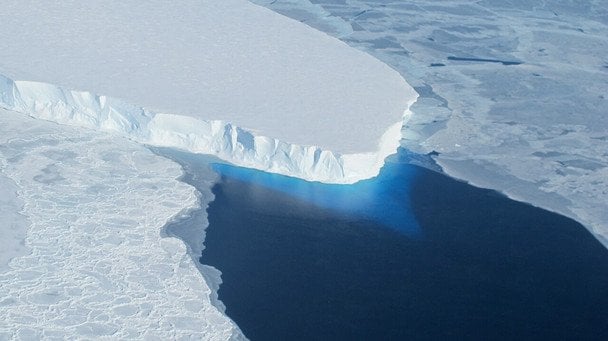
Antarctic Expedition to Thwaites Glacier
According to TSN.ua: A scientific team working on Antarctica's Thwaites Glacier encountered a major setback when their primary equipment became trapped in the ice less than a kilometer from its target. Despite this, the team persisted, drilling a borehole roughly 1000 meters deep in an attempt to reach the desired layer. This glacier, often called the 'Doomsday Glacier,' is of critical importance because its potential collapse could significantly raise global sea levels.
Researchers report that the borehole will begin to freeze within 48 hours without a continuous supply of hot water to maintain it. This complicates the mission further, as data already gathered reveals the water flowing beneath Thwaites Glacier is both significantly warmer and moving faster than previous models predicted. Understanding these conditions is vital for accurately forecasting the glacier's stability and future contribution to sea-level rise.
Team Member Commentary
Team member Keith Makinson described the challenging situation as
"absolutely awful". However, Won Sang Lee affirmed that the work would continue despite the obstacles. The ongoing study of Thwaites Glacier remains crucial for climate science, directly informing projections about global sea-level changes.
This incident highlights the extreme difficulties scientists face in such harsh environments and underscores the necessity of persistent monitoring. Investigating the temperature and currents beneath major ice sheets is key to predicting future changes in polar ecosystems and their worldwide climatic impacts.
Read also
- NATO Launches Major Military Drills Near the Suwałki Gap Starting June 16
- Germany Warns NATO of Potential Russian Attack by 2029
- Russian Troops Disguise Military Vehicles as Civilian Transport in Kherson Region
- SBU Confirms Geran-2 Drone Strike on Kyiv Pechersk Lavra: Evidence Recovered
- Occupiers Disguise Military Vehicles as Civilian: Repainting in Henichesk to Match Local Colors
- Massive Fire at Kyiv Monastery After Russian Strikes, Says Metropolitan Epiphanius: Revenge for Ukraine’s Resistance