Australia invests $1.1 billion in underwater drones: what the Ghost Sharks are capable of.

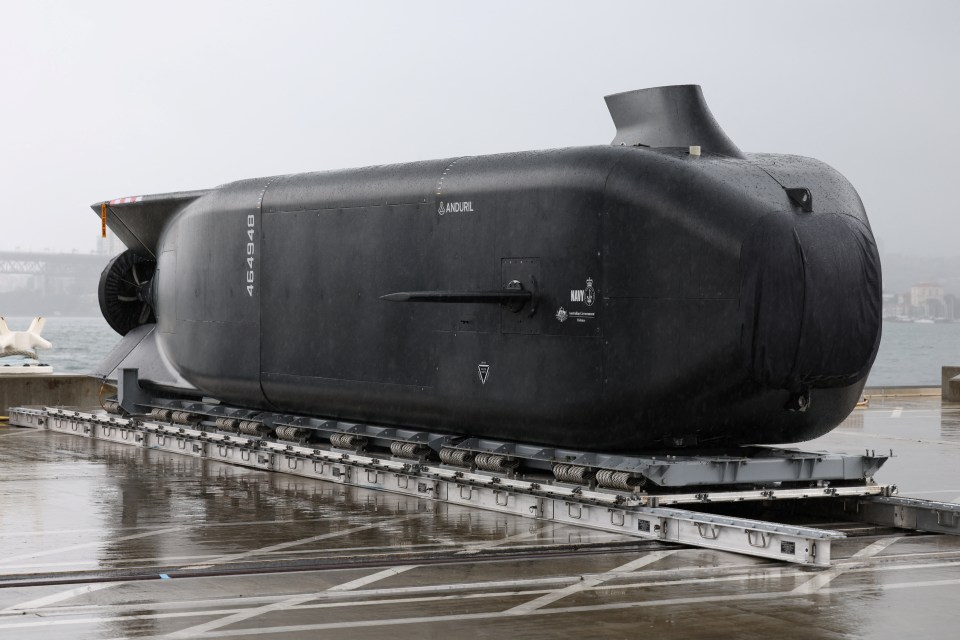
Australia invests in cutting-edge reconnaissance submarines
According to The Sun: Australia plans to implement autonomous underwater drones, the "Ghost Sharks", to enhance its defense capabilities, particularly in countering China.
The country will allocate a massive $1.1 billion for these modern drones, the first of which could debut as early as January 2026.
Reuters AFP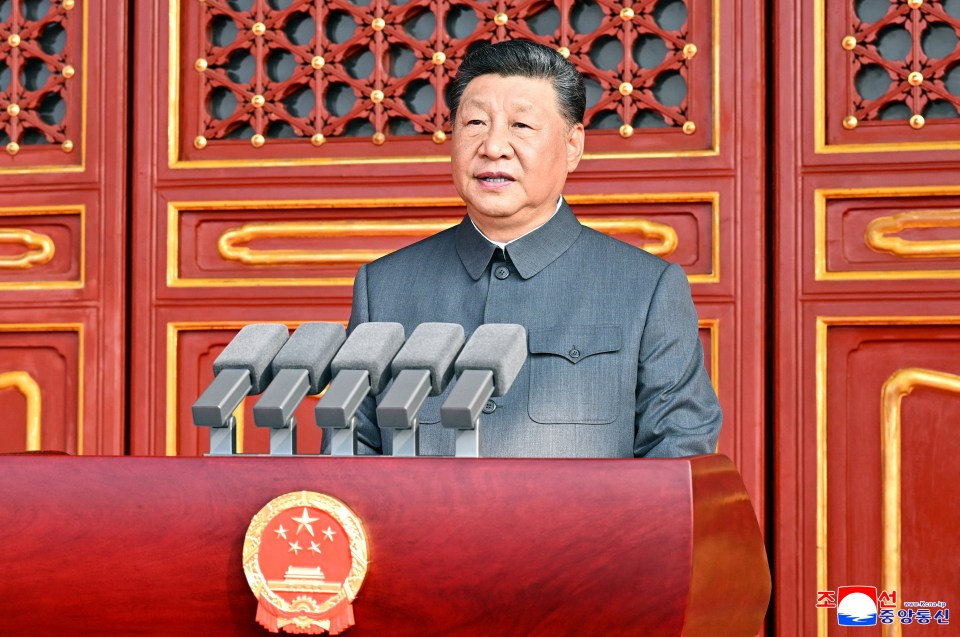 Reuters
These underwater drones can efficiently perform reconnaissance tasks as well as strike targets.
The new drones will be launched from naval vessels or from the shore, embarking on long missions without the need to surface.
The exact number of planned submarines has not yet been disclosed, but the government states that there will be 'enough tens'.
Defense Minister Richard Marles emphasized:
“Australia is a world leader in autonomous military underwater technologies, and the 'Ghost Shark' is capable of carrying out reconnaissance, surveillance, and strike missions.”
He also added:
“This is the most advanced technology in the world.”
Australia has 21,000 miles of coastline, and about 50% of the country’s population lives within four miles of the coast, so the fleet plays a crucial role in national defense.
The government signed a five-year contract with Anduril Australia for the production and maintenance of the drones, which will create 150 new jobs.
This significant investment comes after Australia signed the 'AUKUS' agreement with the United Kingdom and the US amid rising tensions with China in the Pacific.
The agreement will enable the UK and the US to enhance Australia’s submarine capabilities and develop nuclear technologies.
The cost of this agreement could amount to $368 billion over 30 years, helping Australia develop nuclear submarine capabilities in the 2030s.
id='6376283046112' data-video-id='6376283046112' data-account='5067014667001' data-player='default' data-usage='cms:WordPress:6.5.6:2.8.6:javascript' data-embed='default' class='video-js' data-application-id='' controls style='width: 100%; height: 100%; position: absolute; top: 0; bottom: 0; right: 0; left: 0;'>This substantial acquisition of the "Ghost Sharks" became possible after the modernization of Australian Mogami-class warships, which was completed last month.
The extravagant Mitsubishi military vessels are expected to begin service by 2030.
Minister of Defense Industry Pat Conroy noted:
“We are taking another step toward creating a more powerful and lethal fleet.”
He emphasized that the new ships can launch up to 128 missiles, providing Australia with “modern weapons and combat systems necessary to succeed in a challenging environment.”
In the context of tense relations with China,
“Australia faces the most challenging strategic situation since the end of World War II,”Marles stressed.
In August, four Chinese vessels conducted joint naval exercises with Russian ships in the Sea of Japan.
The Defense Minister previously reported that Australian forces are monitoring the activity of Chinese vessels that approached their waters in spring.
While China “acts in accordance with international law,” he warned that
“Australia also has the right to act cautiously, and we are closely monitoring the activities of this group.”
AP
Reuters
Eight months ago, a Chinese fighter jet carried out a dangerous maneuver in front of an Australian military aircraft flying over southern China, as reported by representatives from Canberra.
The Chinese military accused an Australian warship of “creating problems” for sailing through the Taiwan Strait on Sunday.
In recent years, Moscow and Beijing have intensified their military cooperation, demonstrating close ties during Putin's recent visit.
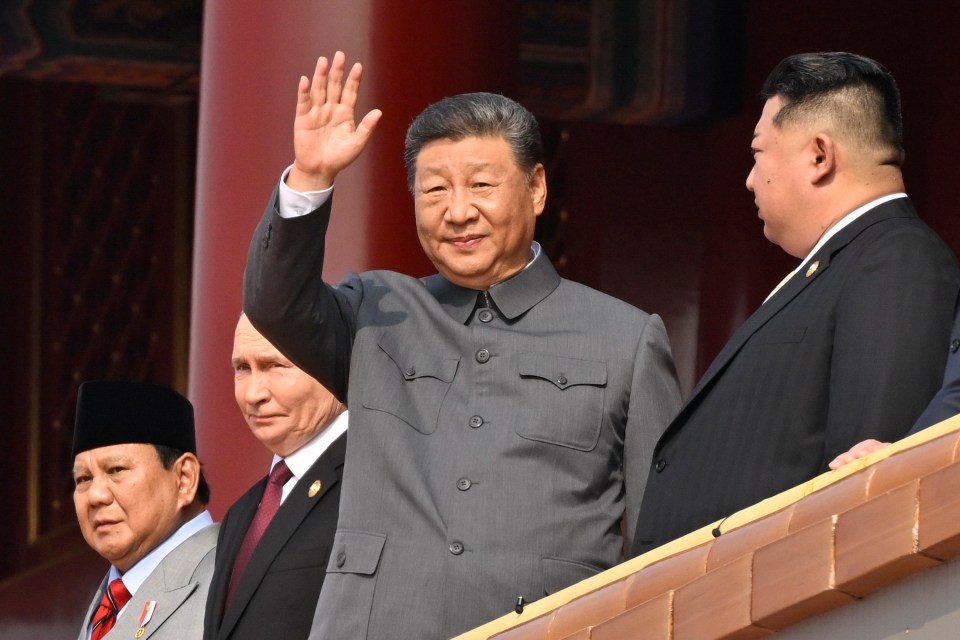
China held a mass military parade in Tiananmen Square, celebrating the 80th anniversary of the end of World War II, showcasing its military might.
The parade was also attended by North Korean leader Kim Jong Un, Putin, and Chinese President Xi Jinping.
Marles asserts:
“Everything we do to create more capable armed forces is aimed at deterring conflict and ensuring peace and stability in our region.”
Marles, who is also the Deputy Prime Minister of Australia, actively supports military aid to Ukraine, promising $250 million by July 2024.
AP
These events highlight the strategic importance of enhancing Australia’s defense capabilities amid rising tensions in the region. As one of the key allies of the US, Australia continues to take steps to protect its national interests and support stability in the Asia-Pacific region. Read also
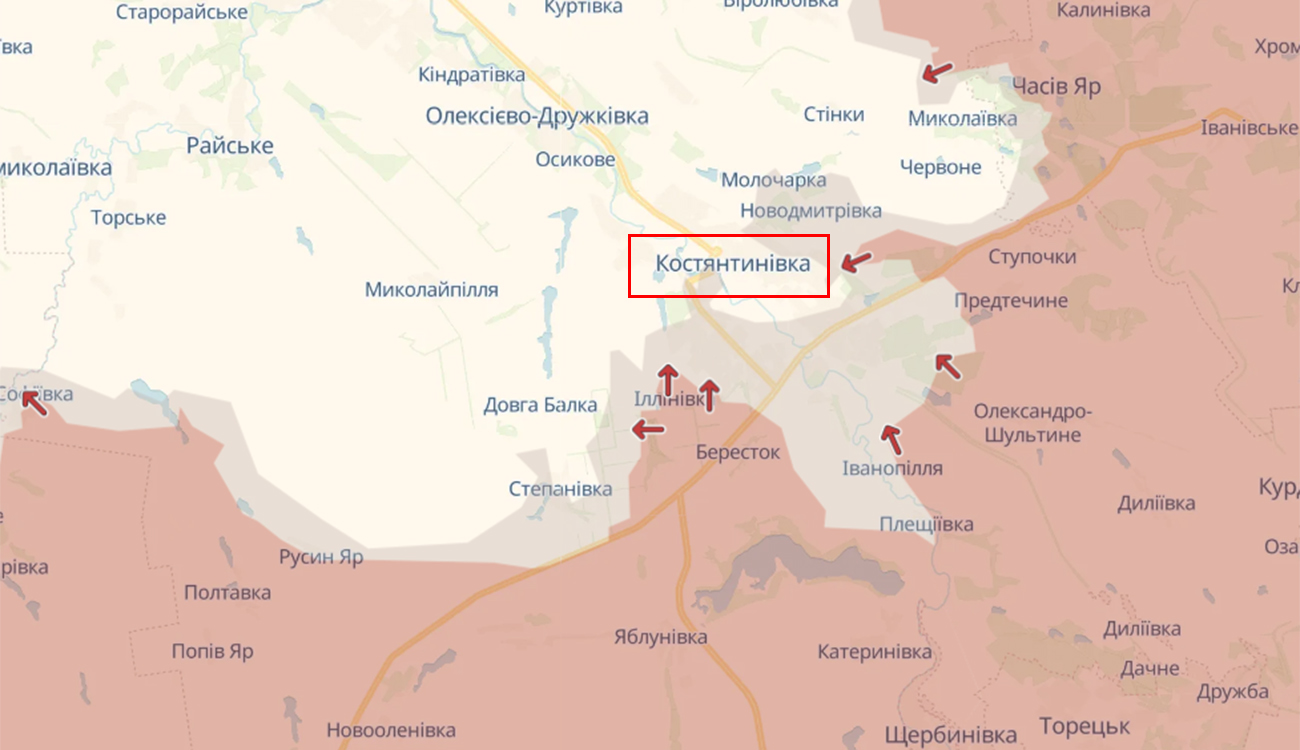
- Fighting in Kostiantynivka: 'Lyut' Brigade Denies Rumors the City Has Fallen
- Zelenskyy Congratulates the United States on Its 250th Independence Anniversary: A Look at His Message
- Crimean Airfield Strike: Ukrainian Intelligence Destroys Russian MiG-29 Fighter Jet
- Over 1,500 Russian Invaders Eliminated in a Week as Zelenskyy Bolsters Air Defenses in Odesa
- Finland Restricts Air and Sea Traffic After Ukrainian Attack: What Happened
- Ukrainian Drones Strike MiG-29 at Belbek Airbase: How Kyiv Hit Key Russian Assets in Crimea