





Trump Pressures Ukraine over Peace Plan: What is Known about the Ultimatum.

Trump Pressures Ukraine over Peace Plan: What is Known about the Ultimatum

According to ТСН: In recent months, Donald Trump's peace initiatives regarding Ukraine have caused political fluctuations. The position of the US administration has constantly changed — from the harsh demands of the Kremlin to promises of support for Kyiv. The US President has repeatedly stated that he will 'end the war in 24 hours,' acknowledging that the task is complex, but continues to pressure both sides.

Last week, the US supported a 'peace plan' with 28 points, shaped by Russia's demands. This plan entails the de facto recognition by the American side of part of the Donetsk region as 'de facto Russian.' Ukraine was given only a few days to respond, and White House envoy Dan Driscoll delivered an ultimatum to Kyiv that sparked negative reactions.

Despite this, Zelensky did not reject the possibility of negotiations. After discussions in Geneva, the most controversial points were reduced to 19, however, the Kremlin has already stated that it will not back down from its core demands.

What is Russia's Position

Russia has made it clear that there will be no compromises regarding territories. These are the same conditions that Putin voiced to Trump at the summit in August. European allies of the US are warning that the plan is a failure and only strengthens the Kremlin's confidence.

A European diplomat emphasizes that allies have been formulating a strategy to pressure Russia for years, and sudden changes in Washington's position are undermining the united front.

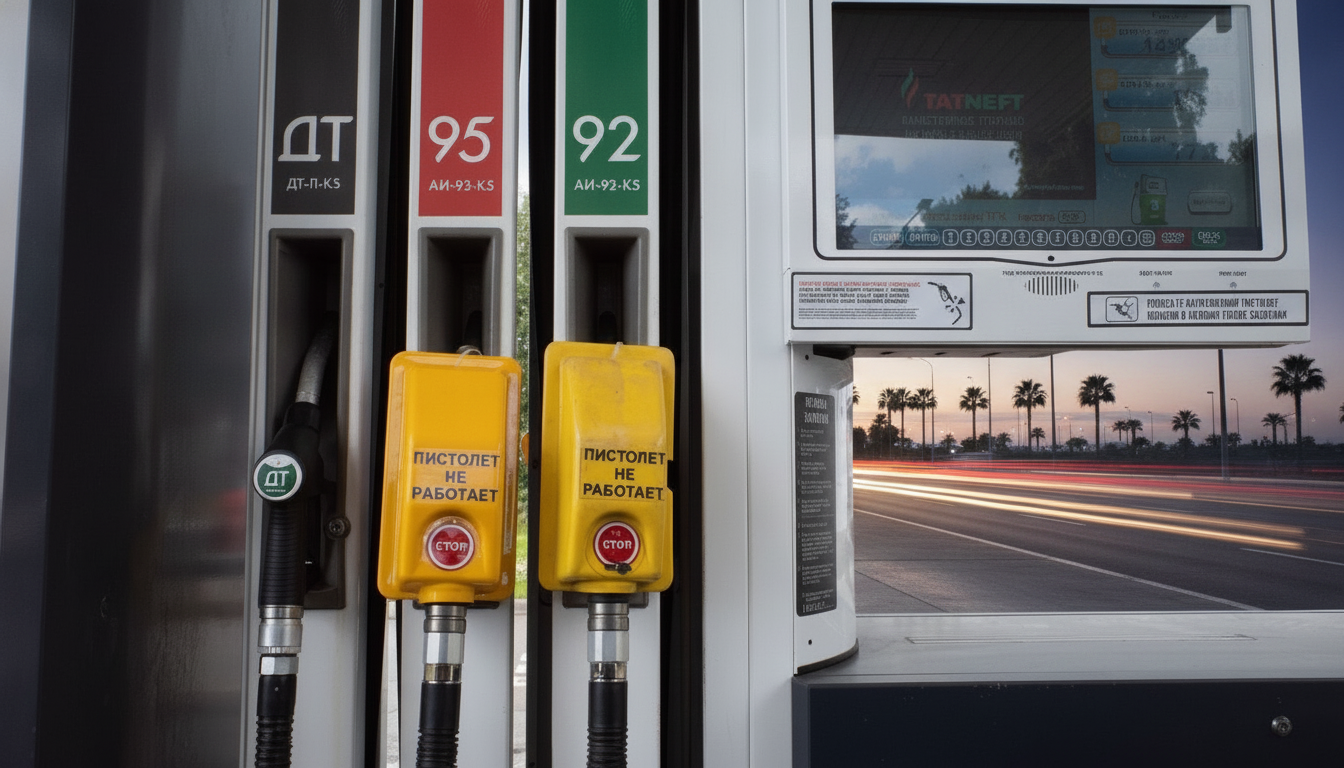
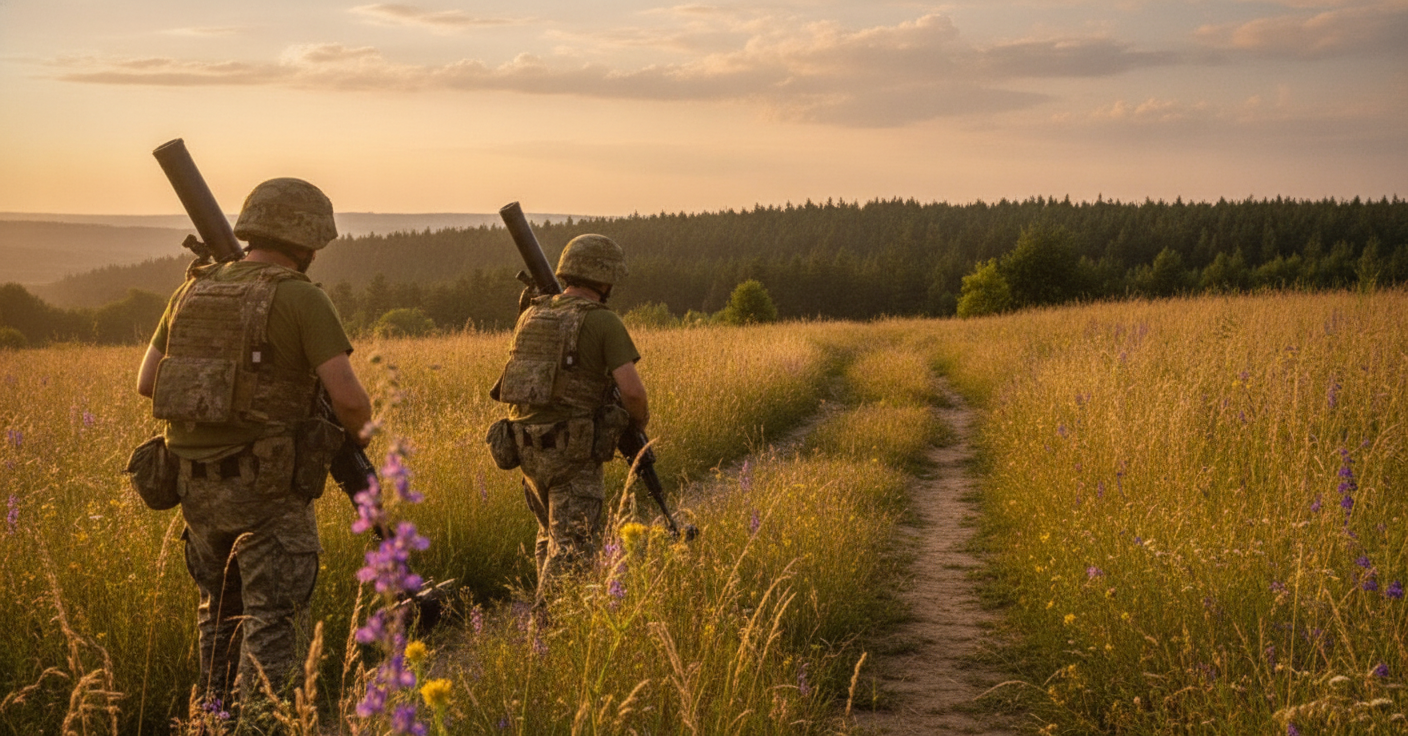
Prior to Trump's ultimatum, Kyiv had demonstrated optimism as Ukrainian forces were holding back the Russian advance, actively utilizing drones. Attacks on oil refineries in Russia have led to fuel shortages. For the first time in a year, Zelensky's team felt a belief in the possibility of changing the course of the war.

Ukraine has also increased its weapons production — more than half of the arms used on the front line are produced domestically.

Why American Diplomacy is in Chaos

The tone from the White House has sharply changed. After a successful agreement in Gaza, Trump hoped to replicate that diplomatic success in Ukraine. However, there are differing opinions within his team. Vice President J.D. Vance insisted on a swift agreement, while Secretary of State Marco Rubio stressed the need to verify the Kremlin's true intentions.

It was Rubio who derailed Trump's planned summit with Putin in Budapest, calling Moscow's conditions unacceptable.

The US imposed sanctions on Rosneft and Lukoil, forcing China and India to reduce purchases of Russian oil — this became a significant diplomatic achievement for Kyiv.

In response, the Kremlin ramped up behind-the-scenes contacts, involving Kirill Dmitriev, who promoted a Russian version of a peace deal through Trump's intermediaries.

After the controversial Axios document was published, a new wave of concern emerged in Europe and Ukraine. The plan, shaped under the Kremlin's influence, has put the peace process at risk.

As of today, the fate of the negotiations depends on whether Putin is ready for real compromise. But the Russian Federation insists on maximum demands, and the hardline stance of the Kremlin once again threatens Trump's peace efforts.

It is noted that The New York Times reported that during meetings with European partners, US Secretary of the Army Dan Driscoll emphasized the growing missile threat from the Russian Federation and urged for quick ways to end the war.

According to sources, an American official warned that Russia has not only resumed missile production but is also capable of stockpiling them, which has raised concerns among Western allies. The NYT emphasizes that even after the war ends, the Kremlin is unlikely to reduce its arms volumes, but halting the conflict may deprive it of grounds for attacks beyond Ukraine.

The situation with peace negotiations remains tense as the Kremlin's position does not change, while pressure from the West continues to escalate. Time will tell whether common ground can be found or if the conflict will continue to escalate.


Read also

Advertising