Which Cars Face the Biggest Risk Under Ukraine's New Fuel Standards Set for 2026.

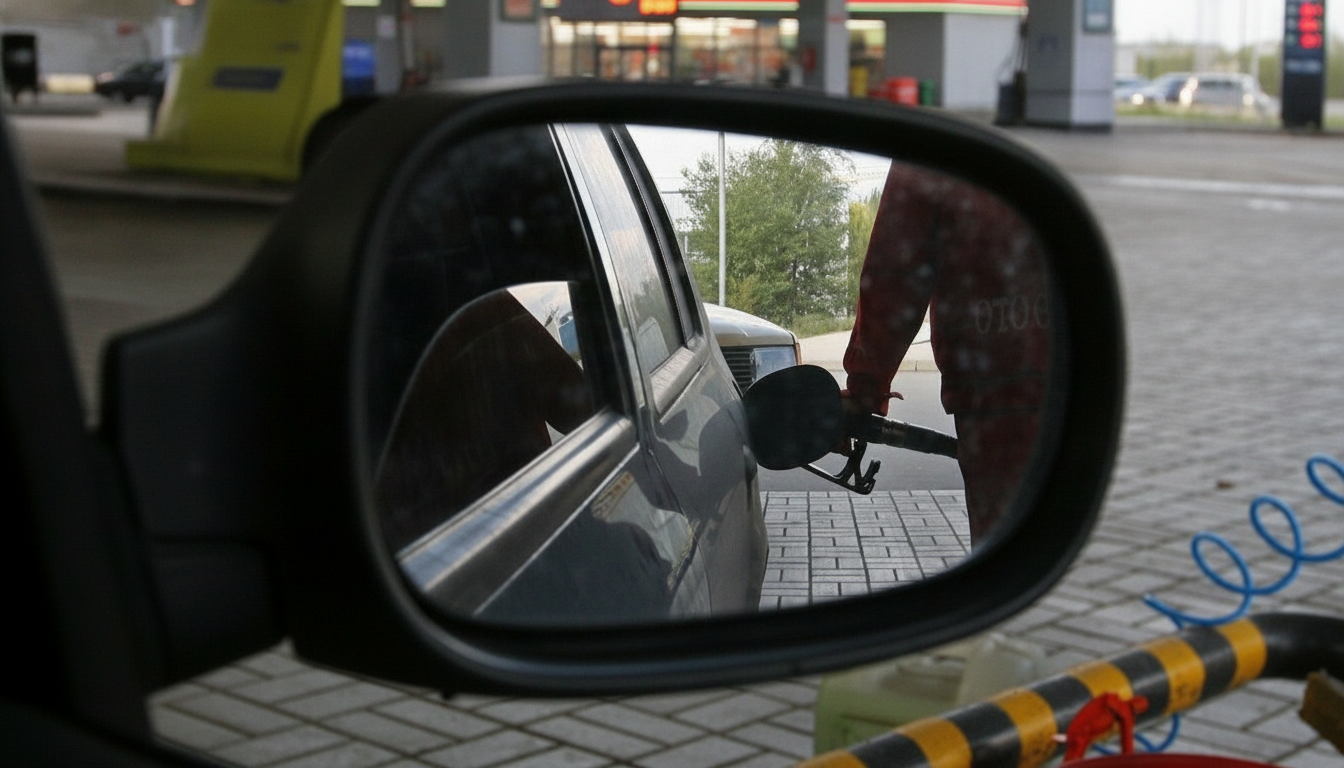
Ukraine Adopts European Fuel Standards
According to Novyny.live: Starting July 1, 2026, Ukraine will enforce European fuel standards that mandate gasoline blended with bioethanol. The new fuel grades, labeled E5 and E10, will contain up to 5% and 10% bioethanol, respectively. This shift aims to align Ukrainian regulations with those of the European Union, but it also introduces significant concerns for vehicle owners. For context, many EU countries have already adopted E10 fuel, and this change is part of Ukraine's broader effort to harmonize its energy and environmental policies with the bloc.
A key issue is that bioethanol can degrade rubber components in fuel systems, potentially leading to breakdowns. However, modern vehicles are built with resistant materials, making them largely safe to run on these new fuels. This means newer cars can operate without major risks under the updated standards.
How Older Vehicles Are Affected
In contrast, older European and Japanese cars may need repairs due to the fuel composition change. Specific models identified as high-risk include:
- Audi A3 and A4 (2003–2005)
- Volkswagen Golf V, Touran, Passat B6 (2004–2006)
- Toyota Avensis, RAV4, Ipsum (July 2003 – October 2008)
- Mercedes-Benz C 200 CGI (2002–2005)
- Opel Vectra C, Signum, Zafira B (2003–2010)
- Ford Mondeo MK3 (2003–2007)
- Renault Megane 1 (early 2000s) and Laguna 2
The French PSA group has confirmed that all its gasoline engines built after January 1, 2000, are compatible with E10 fuel, indicating some manufacturers are already prepared for the new market conditions. Owners of older cars should carefully consult their vehicle maker's guidelines on using the new fuel standards to avoid operational issues.
As these standards take effect, Ukrainian drivers must anticipate changes in fuel usage and potential impacts on their vehicles, which could require adjustments or repairs for older models. This is a crucial step for integrating Ukraine into European norms, but it also raises questions about whether the country's infrastructure and car fleet are ready for such a transformation.
Read also
- New York Breaks Ground on 373-Meter Skyscraper: The Second World Trade Center
- NVIDIA Unveils DLSS 5: Three AI Models for Gaming, Launching This Fall
- Ukraine’s Defense Ministry Unveils New Robotic Combat System ‘Mini Strike Serpent’ – Key Details Inside
- Ukraine's Drone Forces Sink 183 Russian Shadow Fleet Vessels, Unleash New Missiles and Strike Crimea
- Ukrainian Firm SkyFall Unveils P1-SUN Jetkiller Interceptor Drone: Key Details Emerge
- World’s First 500 MW Impulse Hydropower Plant Under Construction in China: Trials Succeed