Who is Exempt from Ukraine's Military Call-Up, Even if Registered for Service.

Ukraine's Ongoing Mobilization
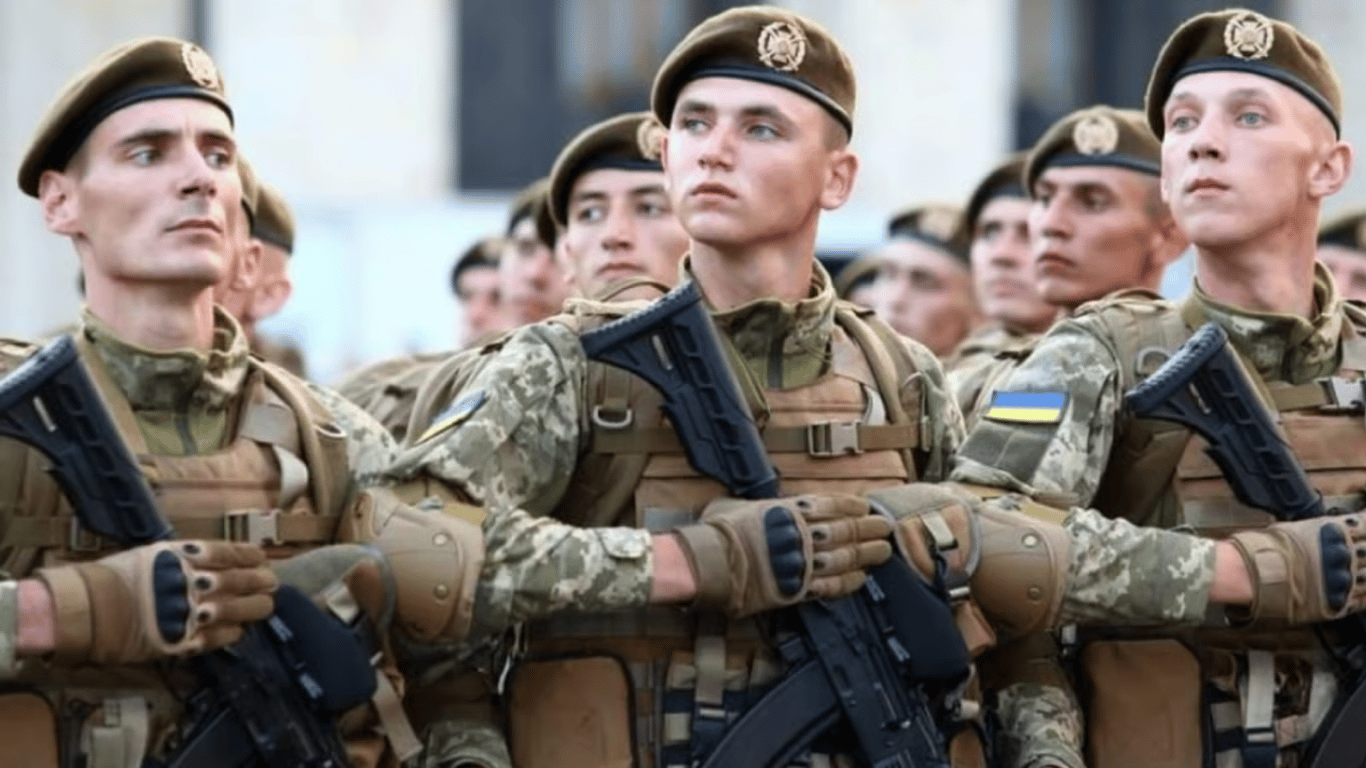
According to Novyny.live: Ukraine remains under a general mobilization order, enacted by a Presidential decree and confirmed by the Verkhovna Rada. This framework allows citizens to be designated as 'liable for military service' and potentially mobilized up to the age of 25. However, not all young people are subject to conscription. The mobilization age is set at 25, with those younger classified as potential conscripts. This policy is a critical component of Ukraine's national defense strategy following the full-scale invasion.
Despite the broad scope of the order, specific categories of individuals are exempt from mobilization, regardless of their registered status. These include:
- Employees with reserved occupation status;
- Members of Parliament;
- Judges;
- Members of the High Council of Justice;
- Members of the Constitutional Court;
- Members of the Accounting Chamber;
- The Ukrainian Parliament Commissioner for Human Rights;
- Heads of ministries and government agencies;
- Military personnel already serving in the armed forces.
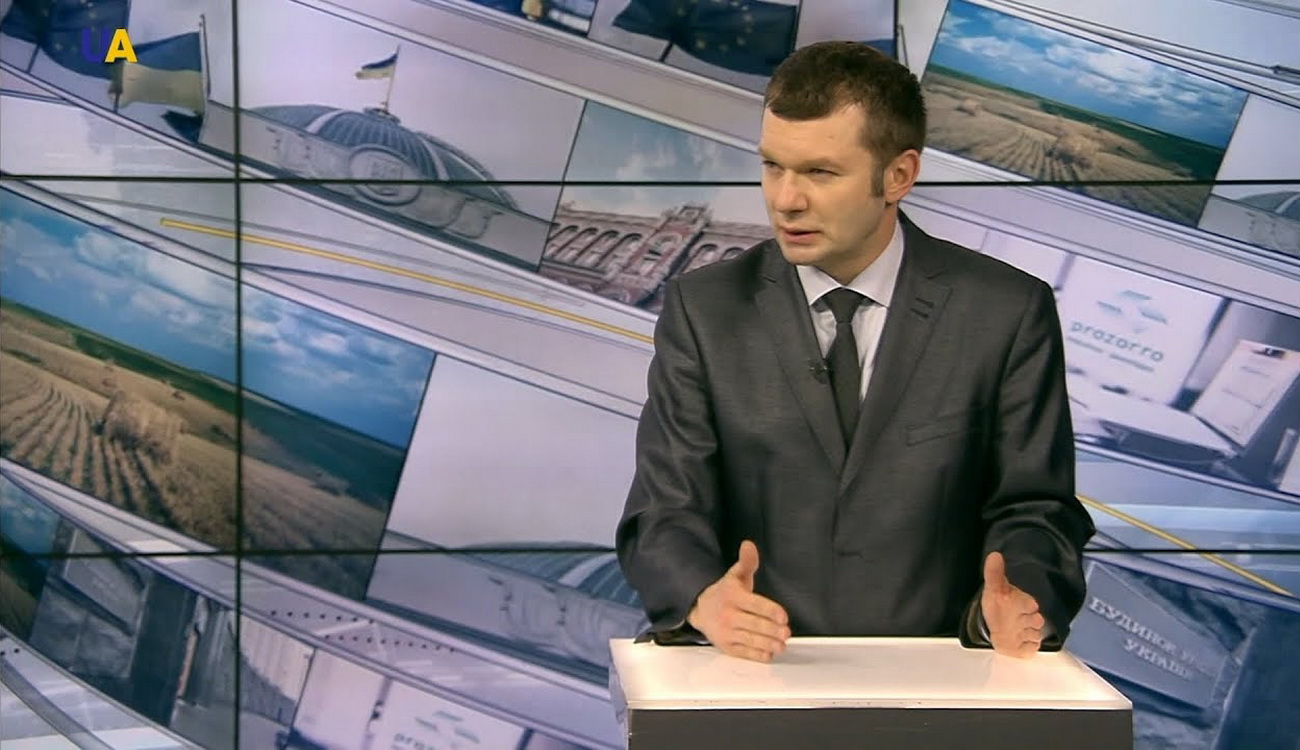
Exemptions also apply to citizens with disabilities or those deemed temporarily unfit for service. Full-time students and individuals eligible for deferrals due to family circumstances are likewise not subject to call-up. As Polina Dudchak emphasized,
"a portion of citizens under 25 who are registered as liable for military service are not subject to mobilization, even with that status"— highlighting that Ukraine's general mobilization includes specific exceptions for younger citizens.
Understanding the Mobilization Framework
This information underscores the importance of understanding the nuances of Ukraine's mobilization process, as many young people may be concerned about their status. The outlined exemptions demonstrate that not all young citizens are required to serve, which may alleviate social anxiety within this demographic. It also points to the necessity for clear and consistent communication from the state regarding mobilization procedures and their implications for different groups within society.
Read also
- A Vatican Meeting Shifted Zelenskyy’s Relationship With Trump: What Happened at St. Peter’s Basilica
- Russian Missiles Minutes from Berlin: Germany's Foreign Minister Issues Stark Warning
- EU Approves 21st Russia Sanctions Package: Key Restrictions and Why It Falls Short of Expectations
- EU Adopts 21st Sanctions Package Against Russia: What It Means for Oil and Banking
- Zelensky Warns of Black Sea Grain Corridor Blockade as Ukraine Calls UN Security Council Meeting
- EU sanctions on Russia slow down as member states prioritize economic interests