Ukraine's Military Call-Up Rules for Men Under 25.

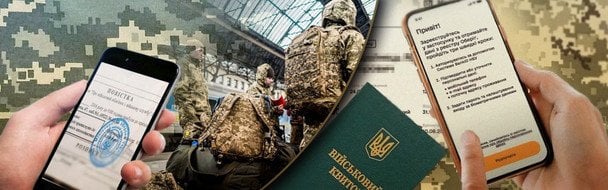
Mobilization Under Martial Law in Ukraine
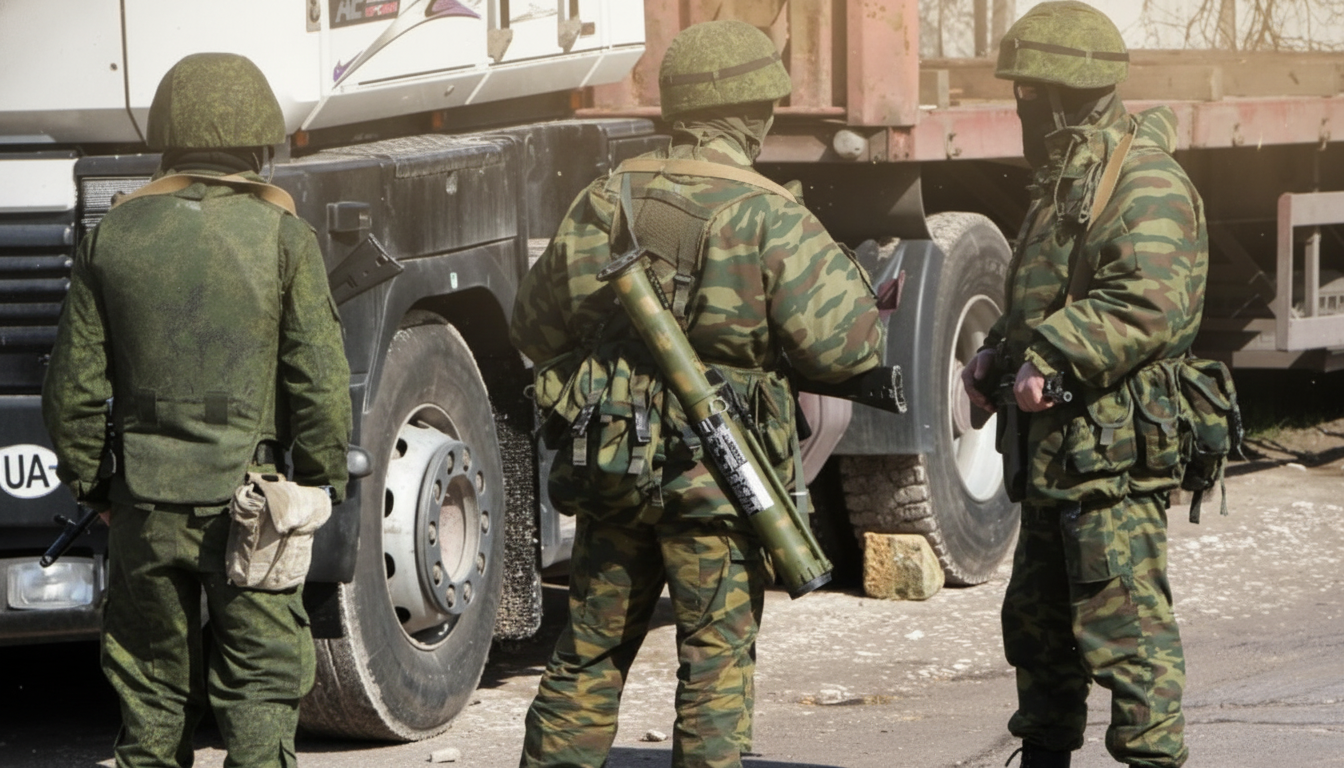
According to TSN.ua: During martial law, Ukrainian legislation mandates mobilization for men aged 25 to 60. However, exceptions exist for younger men aged 18 to 24, who may be called up if they volunteer or meet specific criteria. These recent changes to mobilization procedures reflect the ongoing adaptation of Ukraine's defense policies since the full-scale invasion began in 2022.
Updated Regulations and Key Changes
Under the new rules, men aged 18-24 can be conscripted if they have prior military experience or are graduates of military training departments. Simultaneously, the 'limited fitness' status has been abolished, meaning individuals deemed fit for service can now be mobilized before turning 25. As lawyer Daria Tarasenko noted, amendments to military registration procedures have simplified this process.
It is important to note that changes to a person's military registration category now occur automatically, without the individual's mandatory physical presence. The responsibility for timely reclassification lies with the Territorial Centers for Recruitment and Social Support (TCC and SP), which must complete the process within 30 days of a person's 25th birthday.
- Mobilization does not apply to individuals with any group of disability, provided they have properly certified documentation.
- Men under 25 should not be mobilized automatically, as they are not included in the basic list for summons to recruitment centers without specific grounds.
Consequently, Ukraine's new mobilization framework aims to meet the demands of wartime while maintaining certain social protections for younger age groups. These legislative adjustments are a direct response to the current challenges the nation faces and are designed to ensure sufficient military personnel. While allowing for the potential inclusion of younger men in national defense, the system preserves rights and guarantees for specific population categories, such as persons with disabilities, highlighting the ongoing evolution of military policy in line with contemporary defense needs.
Read also
- Russian Forces Disguise Fuel Deliveries Using Civilian Vehicles: Inside the New Decree
- Early Hurdles for Trump: Legislative Delays Mount as Iran Conflict Drags On
- Ukraine’s Education Minister Faces Dismissal Vote in Parliament – Here’s Why
- A Party Backed by Zaluzhnyi Leads Polls as Most Ukrainians Oppose Wartime Elections
- Armenia in a Hybrid War: Party Leader Reveals Strategy Toward the EU and Russia
- Ukrainian Judge Arrested for Treason: Leaked Azov Fighter Data to Russia’s FSB