Moldova Moves to Exit CIS, Accelerating Its Bid for EU Membership by 2030.

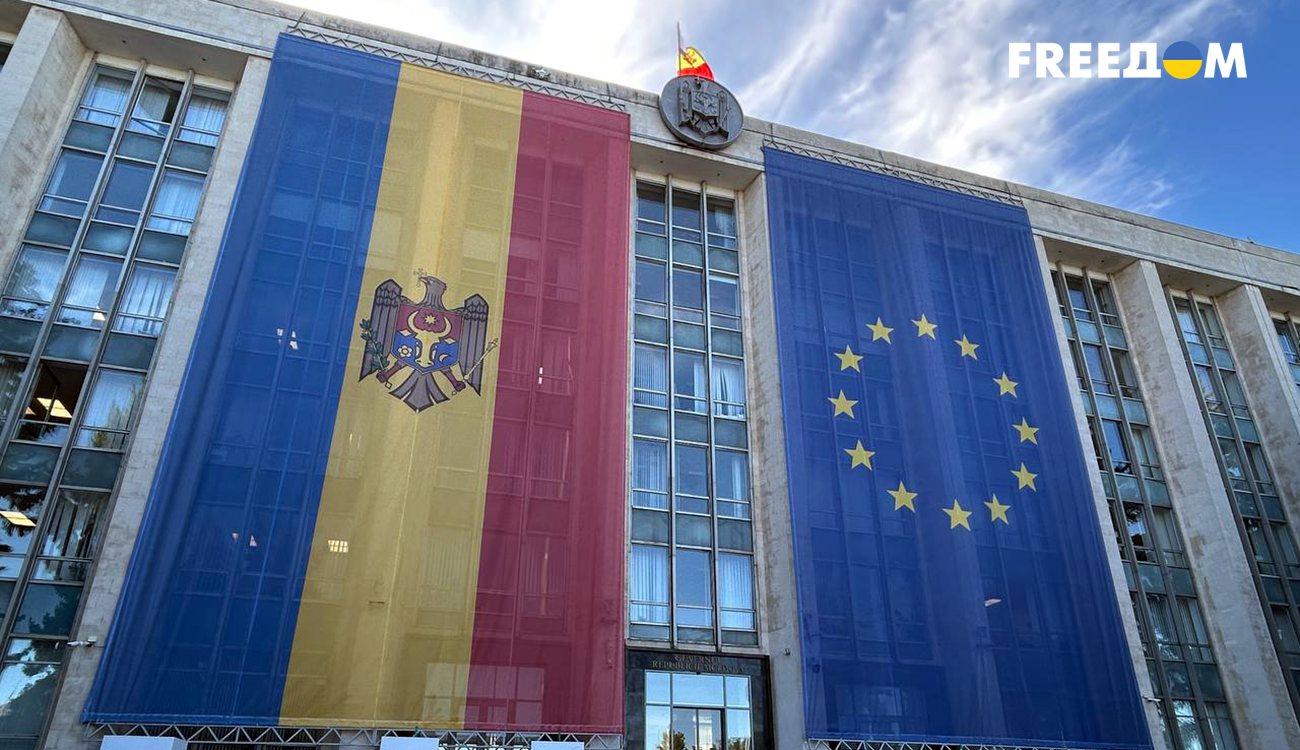
Moldova's Path Toward European Integration
According to UATV: In a decisive move to align with the European Union, Moldova has initiated the denunciation of foundational agreements of the Commonwealth of Independent States (CIS). This step, spearheaded by Moldova's Ministry of Foreign Affairs, signals a clear strategic pivot away from the Russian-led bloc and toward its stated goal of EU accession by 2030. This shift reflects a broader regional realignment following Russia's full-scale invasion of Ukraine, which has heightened security concerns among Moscow's neighbors.
Lithuanian President Gitanas Nausėda met with Moldovan President Maia Sandu in Vilnius, where they discussed Moldova's reform progress despite challenging circumstances.
“We welcome the progress in implementing reforms achieved by Moldova, despite the difficult circumstances,” Nausėda noted.Lithuania's support underscores the growing distrust toward Russia in the region.
Moldova's European integration course has gained significant urgency and international backing in the wake of Russia's war against Ukraine.
Economic and Political Implications
The denunciation of these core CIS documents carries economic consequences, with the Moldovan state budget projected to save 3.1 million lei annually. However, the Ministry of Foreign Affairs clarified that
“denouncing the founding treaties will not affect CIS agreements that bring the country economic benefits.”
The Moldovan parliament, elected in September 2025, must now approve the denunciation decision. By choosing this European path, Moldova is also defining its stance on the war in Ukraine. “Russian strikes on Ukrainian cities and civilian infrastructure are war crimes. Moldova unequivocally condemns them,” President Sandu emphasized.
Thus, Moldova continues to solidify its intent to join the European Union, stepping back from CIS cooperation and adopting an active stance in international politics. Its actions represent a strategic choice toward European integration, which is likely to significantly impact the country's political and economic stability. Lithuania's backing highlights the importance of regional cooperation amid the heightened security crisis in Eastern Europe, a situation that is directly shaping Moldova's foreign policy and its drive to integrate with European structures.
Read also
- European Leaders Back Ukraine's Strikes on Russia, Says Polish PM Tusk
- How the June 18 Night Strike on Moscow Could Reshape the War
- June 15th Massive Russian Strike on Ukraine Triggers European Calls for Tougher Kremlin Pressure
- Vilnius Airport Halts Operations After Unidentified Object Arrives from Belarus
- Lithuania Ready to Launch Expensive Missiles at Drones: President Sets a Key Condition
- Lithuania Records Spike in Russian Aggressive Rhetoric: Has the Military Threat Level Changed?