Anti-Drone Nets Installed Over Pavlohrad-Pokrovsk Highway to Protect Civilian Traffic.

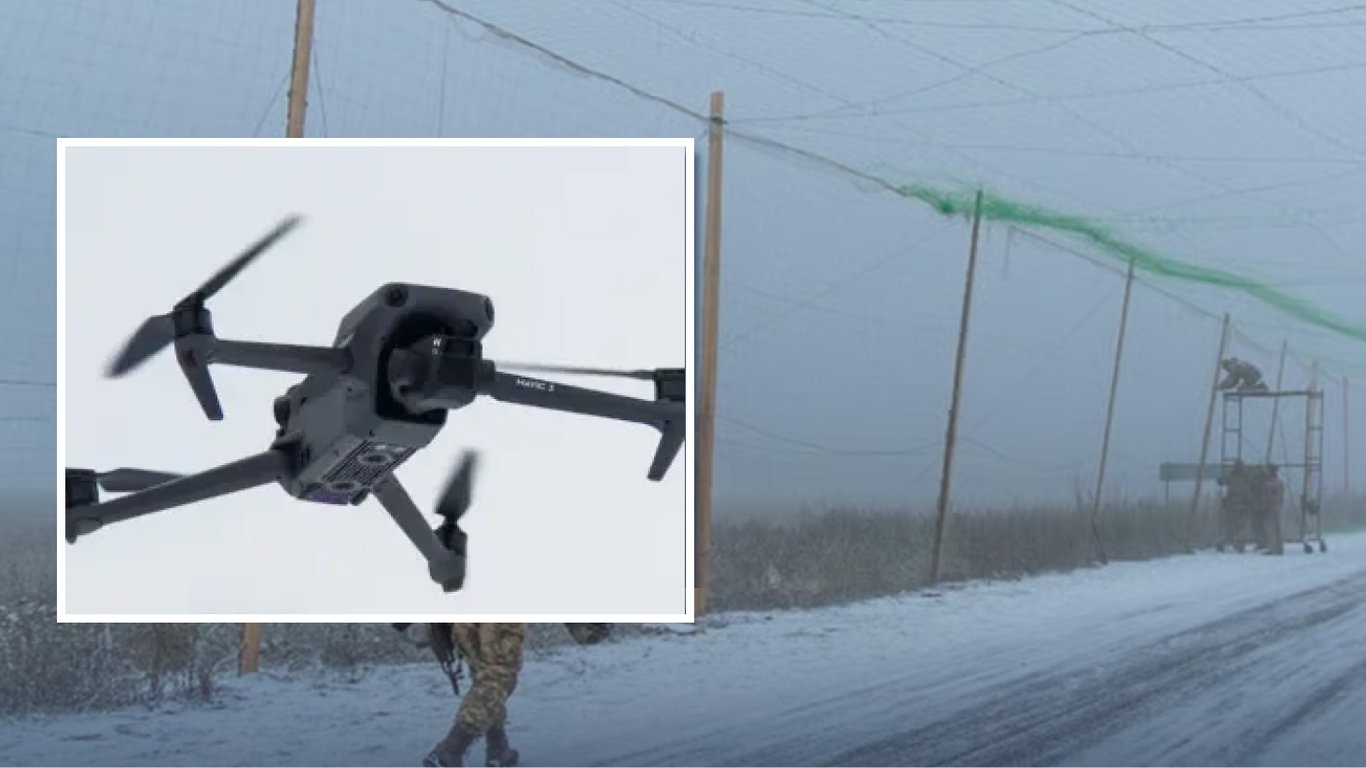
Anti-Drone Net Installation in Dnipropetrovsk Region
According to Novyny.live: Authorities in the Dnipropetrovsk region have begun installing protective nets over the Pavlohrad-Pokrovsk highway. This defensive measure aims to shield civilian vehicles from frequent Russian military attacks, which increasingly use drones to target traffic along this route. The use of drones against civilian infrastructure has become a grim hallmark of the ongoing conflict.
These security steps follow a series of recent drone strikes. Last week alone, attacks resulted in at least six vehicles being burned. One documented incident involved a bus carrying miners to their shift in the town of Ternivka. Such events underscore the critical need for immediate protective actions to safeguard civilians on these vulnerable roads.
Expansion of Protective Measures
The safety initiative is not limited to the Pavlohrad-Pokrovsk route. Work has also started to install similar anti-drone nets on a bypass road around the city of Kharkiv. Plans are in place to cover over 20 sections of highway across the Kharkiv region to enhance protection from aerial threats. Specialists have the capacity to install up to 500 meters of this protective netting per day, allowing for a rapid rollout of the defensive system.
In a related move, Prime Minister Yulia Svyrydenko has instructed the government to prepare for road repairs, a complementary step vital for ensuring overall traffic safety. These combined efforts form part of a broader strategy to protect civilians and vehicles in regions under persistent threat from drone warfare.
The dangerous situation on these roadways demands urgent attention, and the implemented measures could save many lives. The installation of anti-drone nets represents a significant phase in countering the threats posed by the military use of unmanned aerial vehicles. This approach demonstrates a serious commitment to civilian safety in the face of constant drone threats and serves as a direct response to recent incidents highlighting transport vulnerability in conflict zones. Not only will the nets improve security, but they may also provide a model for other regions facing similar dangers from drones.
Read also
- Shmyhal Breaks Records While Heletei Lasted Just 103 Days: The Average Tenure of Ukraine’s Prime Ministers and Ministers
- Zelenskyy on the Hunt for a New U.S. Ambassador After Svyrydenko Turns Down the Role
- Over 1,000 Kilometers of Drone-Proof Barriers Installed on Ukraine’s Supply Routes
- Government Reshuffle: Zelenskyy Nominates New Prime Minister to Parliament
- Zelenskyy Announces Leadership Shake-Up: Who Will Head the Kyiv City Military Administration
- Zelenskyy Nominates Koretskyi as New Prime Minister in a Bid to Reshape Government