Too strict rules: OECD warns of risks to the British economy.

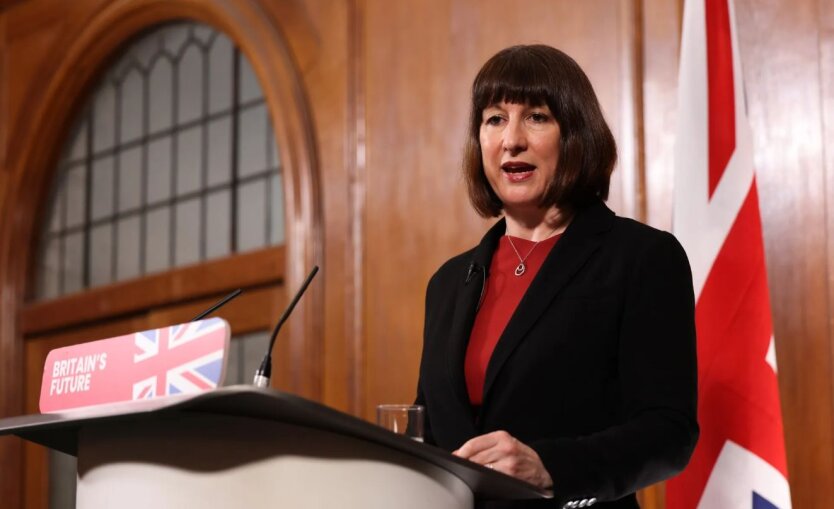
The Organisation for Economic Co-operation and Development (OECD) warns that British Chancellor of the Exchequer Rachel Reeves is exposing the economy to 'significant risks' if she does not give the government more leeway within its fiscal rules.
The organisation has lowered growth forecasts for the UK economy for this year and next due to the trade war with the US. However, the OECD forecasts that Britain will become the second fastest-growing economy among the G7 countries in 2025-2026, after the US. The organisation stressed the need for 'strengthening public finances' and conducting a 'future spending review'.
'Caution is needed. Significant interest payments on debt will continue to weigh on the fiscal balance and increase public debt,' the organisation warns. 'The state of public finances poses a significant risk to the outlook.' This warning resonates with similar concerns from the International Monetary Fund last week.
The government is preparing to unveil spending distribution for the next three years
Next Wednesday, the government will announce how £600 billion of annual spending will be distributed among departments over the next three years. Even after the economy expanded at the fastest rate in a year in the first quarter, the Institute for Fiscal Studies warned that tough decisions are 'inevitable' as funding for priority areas like healthcare will require cuts in other areas.
The OECD warns of significant risks to the UK economy related to the downgrade in growth forecasts. The organisation urges the government to be cautious in spending and to skillfully manage finances, as public finances remain in a serious state of risk for the country's future development.
The OECD's warning about risks to the UK's economy associated with the downgrade in growth forecasts indicates the need for caution and agility from the government in financial matters. It emphasizes the necessity of careful management of public finances to prevent negative consequences for the country's economy in the future. It makes clear that it is vital to take actions in financial management to ensure stability and growth of the economy.Read also
- Wheat Prices Surge After Ukrainian Drones Halt Shipping in the Sea of Azov
- Over Half a Million Russians Declared Bankrupt as Economy Cracks Under Pressure
- Ukraine’s Inflation Trend Shifts: Fuel Costs Drop While Service Prices Climb
- Fear of a New Mobilization Wave Drives Russians to Mass-Buy Property Abroad
- Moscow Admits Fuel Shortage for First Time Amid Drone Strikes: Long Lines at Gas Stations and Crisis Affecting 50 Million Russians
- World Bank Disburses $3.35 Billion to Ukraine: Here’s How the Funds Will Be Used