Europe's Deepest Metro Station: Kyiv's Potential Nuclear Shelters.

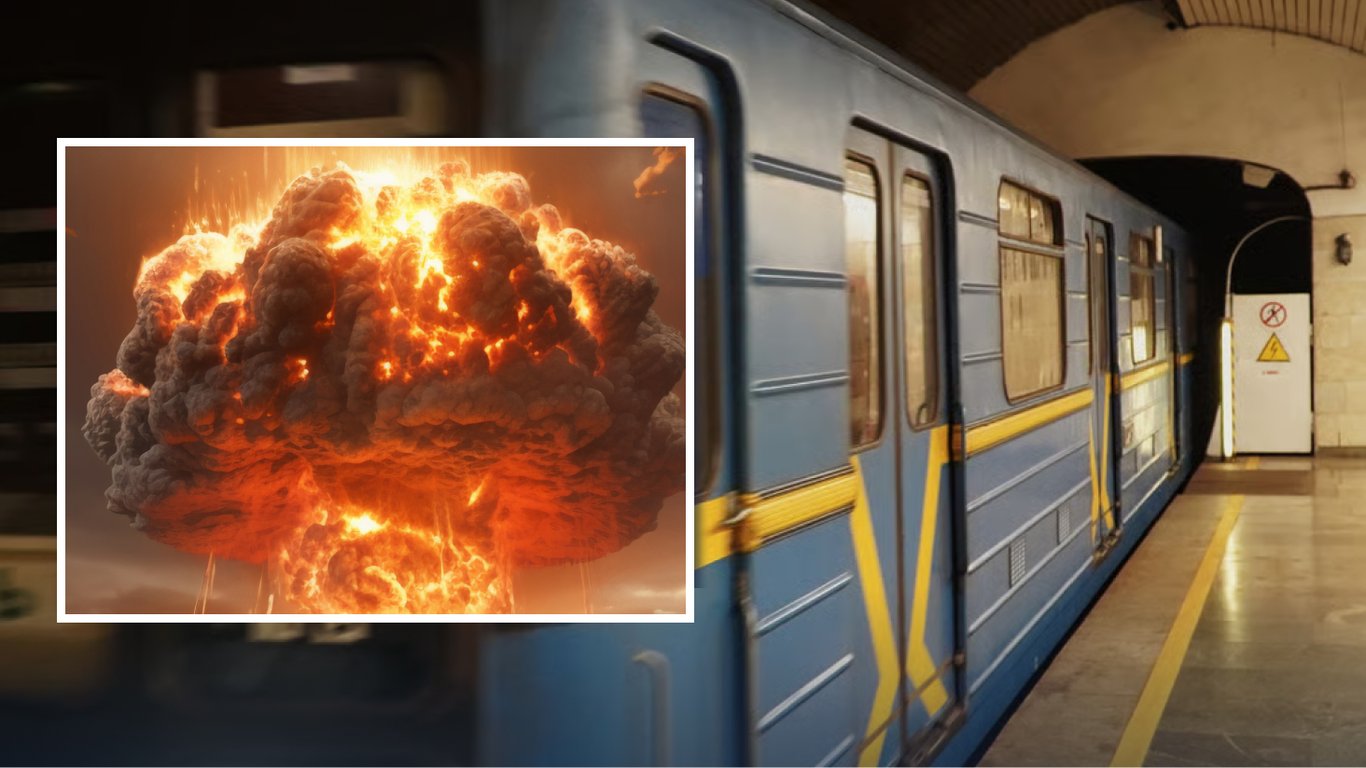
Kyiv's Metro Stations as Bomb Shelters
According to Novyny.live: Certain stations within the Kyiv Metro system are designed to serve as shelters in the event of a nuclear attack. The stations highlighted for this purpose include:
- Arsenalna
- Shuliavska
- Vokzalna
These facilities were originally constructed during the Soviet era with potential nuclear threats in mind, a design consideration that has gained renewed relevance today. This historical context is particularly significant given the ongoing regional security concerns.
Station Specifications
At a depth of 105.5 meters, the 'Arsenalna' station is the deepest metro station in Europe. Its construction is engineered to withstand a nuclear blast of up to 40 kilotons, ranking it among the safest locations for use during a crisis. The depth and structural strength of 'Arsenalna' provide substantial protection for civilians.
The 'Shuliavska' station is also situated at a considerable depth of 90 meters, making it a potentially secure location under threat conditions. While its specifications are not identical to 'Arsenalna', its depth affords a significant degree of safety.
Located 42 meters underground, 'Vokzalna' station can also function as a shelter, though it is shallower than the other two. Together, these three stations demonstrate how a city's existing infrastructure can be repurposed to ensure public safety during extreme emergencies.
In light of contemporary challenges, including the threat of nuclear conflict, the protective potential of the Kyiv Metro is a critical consideration. Stations originally designed with such dangers in mind could prove vital in a disaster scenario.
Examining Kyiv's historical architecture and infrastructure through the lens of modern threats underscores the city's importance of preparedness. The metro system serves not only a transport function but can also act as a crucial refuge for the population, a capability that becomes especially pertinent during periods of heightened international tension. Preserving and modernizing these facilities could substantially improve civilian safety levels in the future.
Read also
- Overnight Strike on Odesa: Two Dead, Dozens Wounded, and a Church School Destroyed
- Mykolaiv Port Attack Kills Two, Damages Foreign Vessels in Drone Strike
- Deadly Lines at Gas Stations in Russia: Kremlin Cuts Fuel Sales After Ukrainian Strikes
- July 17 Missile Strike on Odesa Claims Lives, Including Children
- Five Russian Aerial Bombs Strike Children's Camp in Sumy During Overnight Attack, Injuries Reported
- Critical Situation in Eastern Ukraine: Russian Forces Bombard Kramatorsk, Sloviansk, and Druzhkivka Daily