A Legal Loophole Leaves NATO Unprepared for Emerging Threats, Expert Warns.

Security Challenges for NATO and Europe
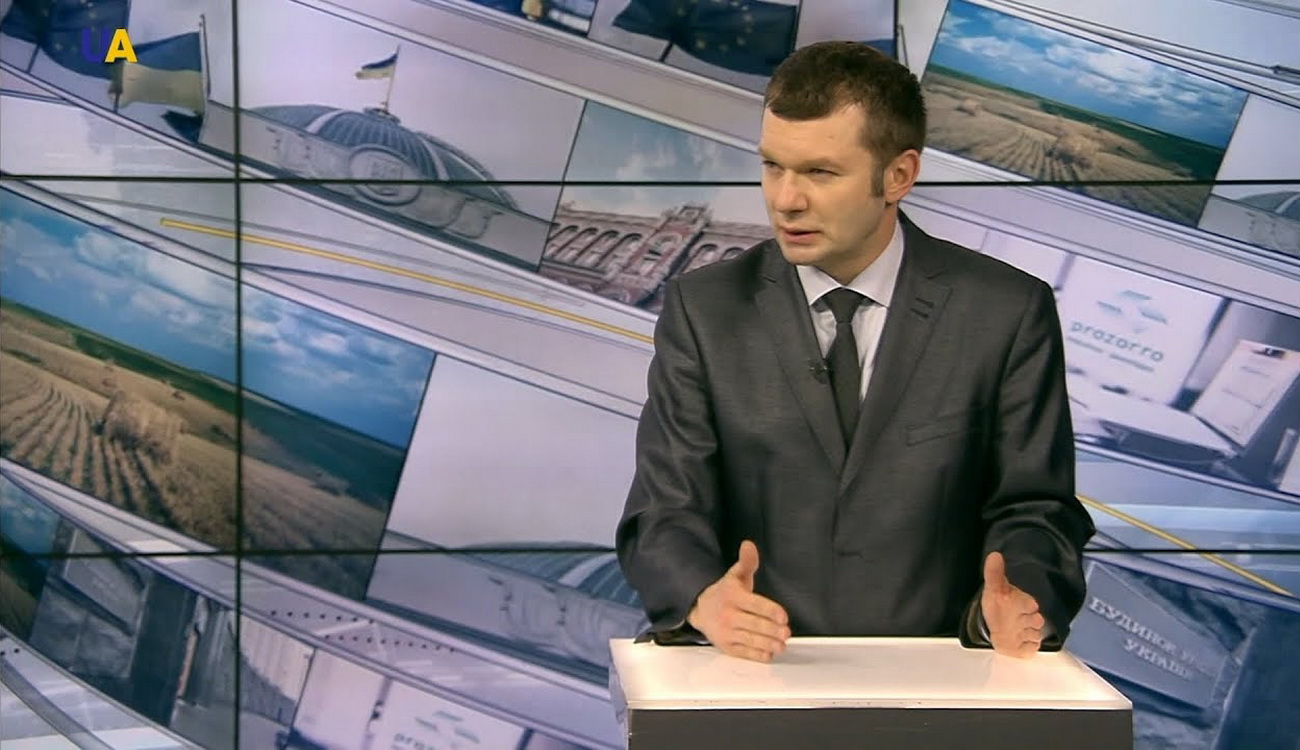
According to UATV: According to expert Bohdan Popov, NATO is ill-prepared for new security threats due to a lack of binding legal commitments for collective defense, which jeopardizes European security. He identifies the Alliance's key failing as the absence of clear mutual defense obligations, a gap that could undermine regional stability. Popov notes that the primary assumption has historically been that the United States would guarantee protection for its allies. This reliance on informal security assurances is being tested by a more aggressive security environment.
Growing Security Concerns
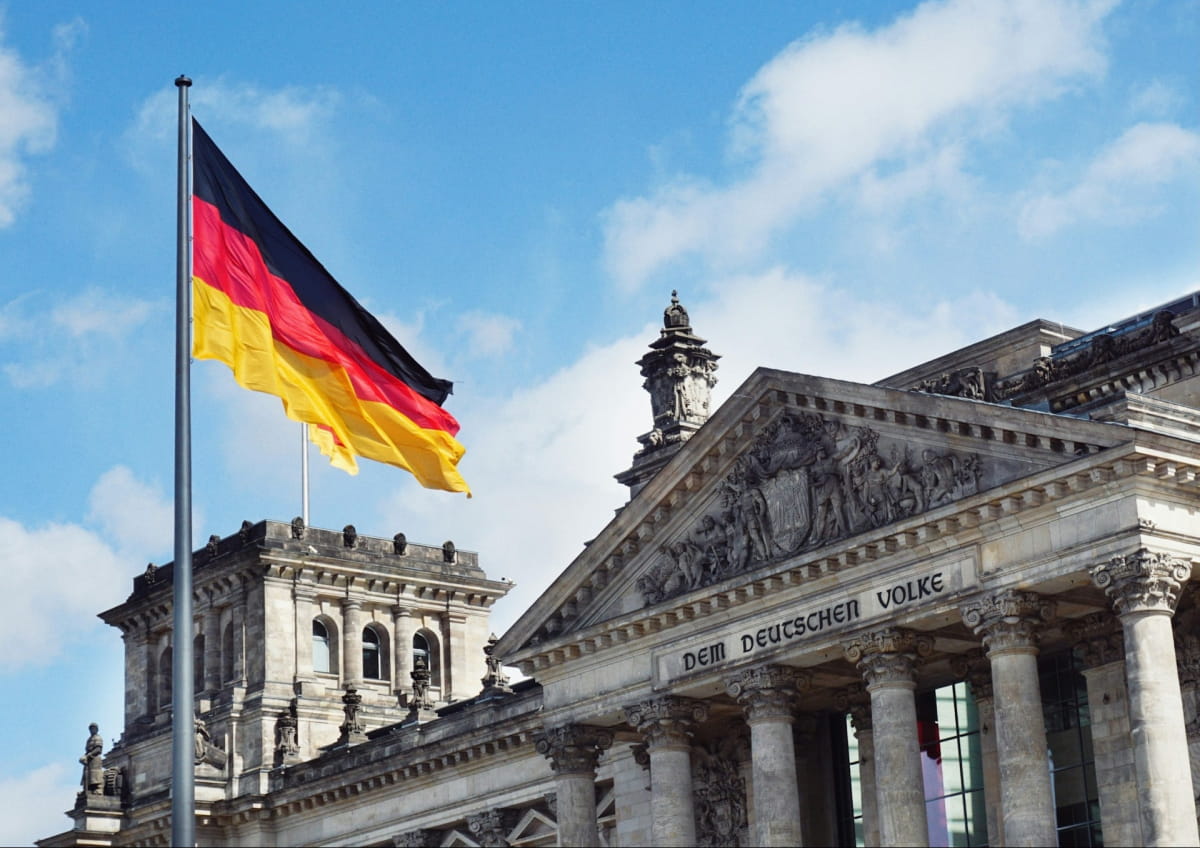
Amid these warnings, the United States has allocated $200 million for Baltic security, signaling heightened anxiety about the region's safety. Concurrently, German forces have assumed command of NATO's battlegroup in Lithuania, marking a reinforcement of the Alliance's military footprint in Eastern Europe.
Bohdan Popov stresses the urgency for immediate action, stating:
'We are speaking frankly about this: the world has changed, and we must act now' - Bohdan Popov
This sentiment reflects widespread expert apprehension over the shifting geopolitical landscape and the threat posed by the Russian Federation. A Russian spokesperson, for their part, has emphasized that:
'The goal of the Russian Federation is to destroy Ukrainian statehood'
This underscores the severe challenges confronting European security.
Consequently, in a rapidly evolving global context and with insufficient legal frameworks for collective defense, NATO faces novel challenges requiring urgent resolution. The acceleration of military measures, including:
- increased security funding
- a bolstered military presence in Eastern Europe
highlights the gravity of the threats confronting the Alliance. These developments are likely to influence the future trajectory of NATO-Russia relations and the overall stability of the region.
Read also
- Ukrainian Forces Strike Kirov’s Avitek Plant: Key Military Components Under Sanctions
- Ireland Hands Over Aluminum Probe to EU Amid Concerns Over Russian Defense Sector Risks
- A Vatican Meeting Shifted Zelenskyy’s Relationship With Trump: What Happened at St. Peter’s Basilica
- Russian Missiles Minutes from Berlin: Germany's Foreign Minister Issues Stark Warning
- EU Approves 21st Russia Sanctions Package: Key Restrictions and Why It Falls Short of Expectations
- EU Adopts 21st Sanctions Package Against Russia: What It Means for Oil and Banking