NATO may suffer heavier losses than Ukraine: why the golden hour is not working.

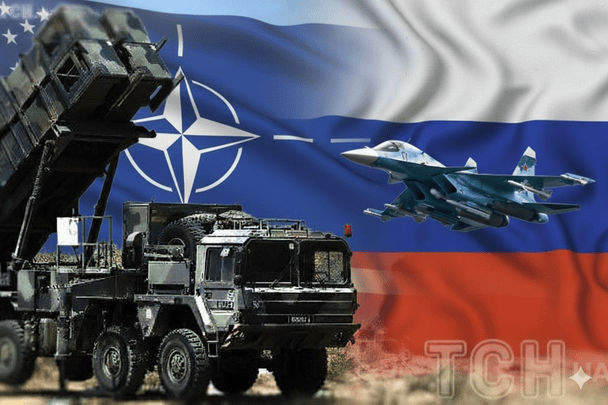
According to ТСН: In the event of direct military conflict with Russia, NATO countries may suffer significantly more serious losses than Ukraine. This is due to the peculiarities of modern warfare, where drones dominate, making medical evacuation much more complicated.
Senior Ukrainian representative at the NATO-Ukraine Joint Analytical Training Center (JATEC) Colonel Valery Vishnevsky noted in a comment that the situation at the front in Ukraine demonstrates that the concept of the "golden hour" (providing assistance within the first 60 minutes after injury) is no longer working. The sky over the battlefield is so saturated with reconnaissance and strike drones that any movement of transport or infantry is instantly recorded by the enemy.
Vishnevsky emphasized that Ukrainian defenders often have to wait for worsening weather conditions — fog, rain, or low cloud cover — to gain a safe opportunity to evacuate their comrades.
"Such warfare will likely be significantly more destructive, which is why the Alliance will face heavier losses than Ukraine,"predicted the colonel, adding that NATO will inevitably face the same logistical and rescue problems.
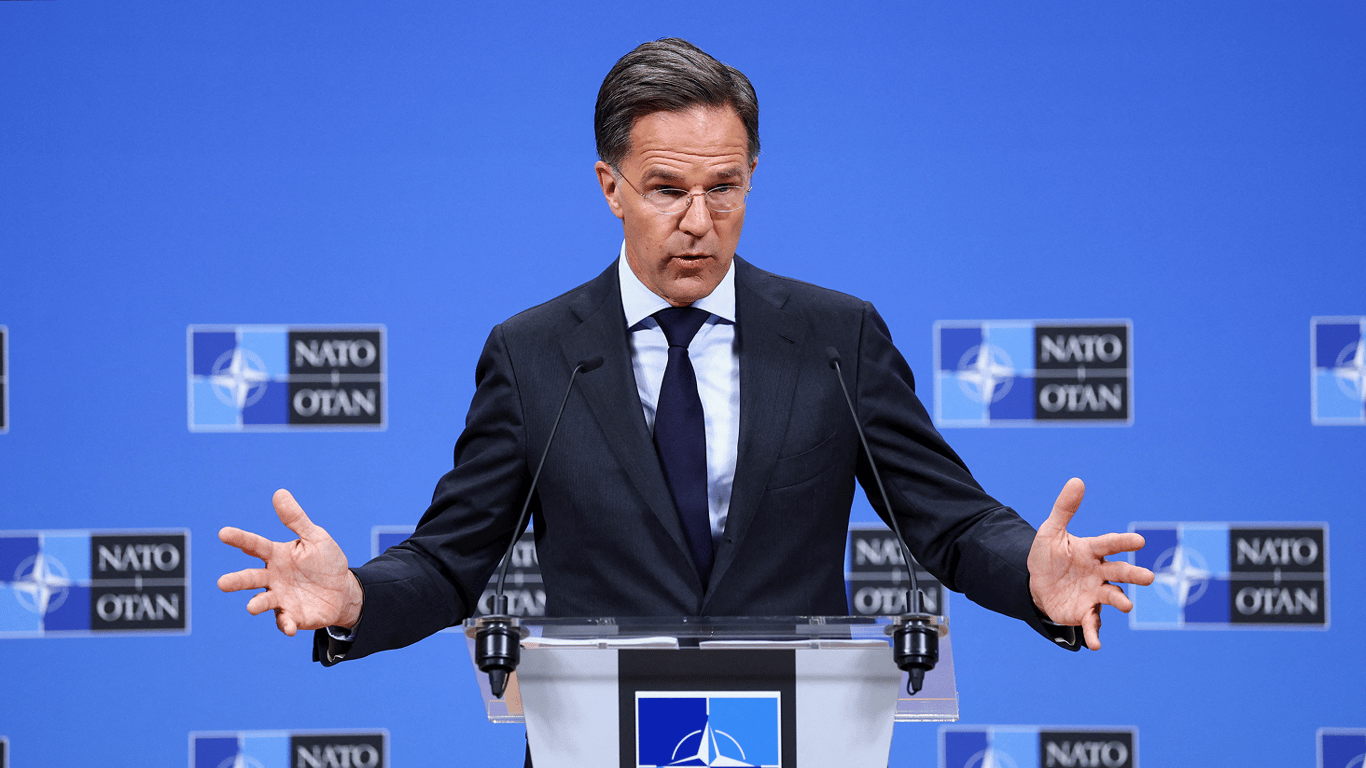
The Alliance is increasingly aware of the threat. Western leaders understand that the conflict may spill over beyond Ukraine. NATO Secretary General Mark Rutte previously suggested that Russia may be ready to use force against the Alliance within the next five years.
To enhance the safety of medical missions, NATO is actively seeking new technological solutions. NATO Allied Command Transformation (ACT) together with JATEC organized an "Innovation Competition," which received 175 applications from 20 countries around the world.
Among the ideas considered by the finalists of the competition are: portable systems for treating kidney failure in field conditions, special improvised stretchers for difficult terrain, secure communication channels for medics, ballistic plates for setting up temporary shelters.
The head of the medical department of NATO's Allied Command Transformation Colonel Neil Ai Maung noted that the Alliance has abandoned the search for a single universal solution. Instead, Western militaries are studying Ukraine's experience to comprehensively restructure the medical system to meet the demands of high-intensity large-scale warfare.
It is also worth noting that the commander-in-chief of the Swiss army Thomas Suessli acknowledged that the country is not capable of defending itself against possible large-scale military aggression on its own. According to him, many years of underfunding have led to serious gaps in equipment and gear, resulting in only a third of troops being fully equipped in an emergency.
Suessli emphasized that neutrality is not a guarantee of safety if not supported by real military capability, and called for an honest assessment of the state's defense capabilities.
In light of these events, it is important to realize that military conflicts in the modern world require new approaches to ensuring security and medical missions. NATO, analyzing the Ukrainian experience, seeks to adapt its strategies to the new realities, which may significantly impact the future of the Alliance and its ability to respond to threats.
Read also
- Germany and Ukraine Join Forces: Interceptor Missiles and 'Termite' Robots Headed to the Ukrainian Military
- Rutte Reveals Russia Diverts 48% of Its Budget to Military—Is Moscow Preparing for War by 2029?
- Ramstein-35: A Historic 10-Nation Aid Package for Ukraine
- $4 Billion in New Aid: Fedorov Highlights Key Focus Areas
- Pentagon Chief Leaves NATO Meeting in Brussels Early: Here’s What We Know
- Zelensky in Brussels: NATO and Ukraine to Announce Ramstein Meeting Outcomes