Engine Hazards in Hyundai and Kia Models: A Look at Fire and Failure Risks.

Engine Issues in Hyundai and Kia Vehicles
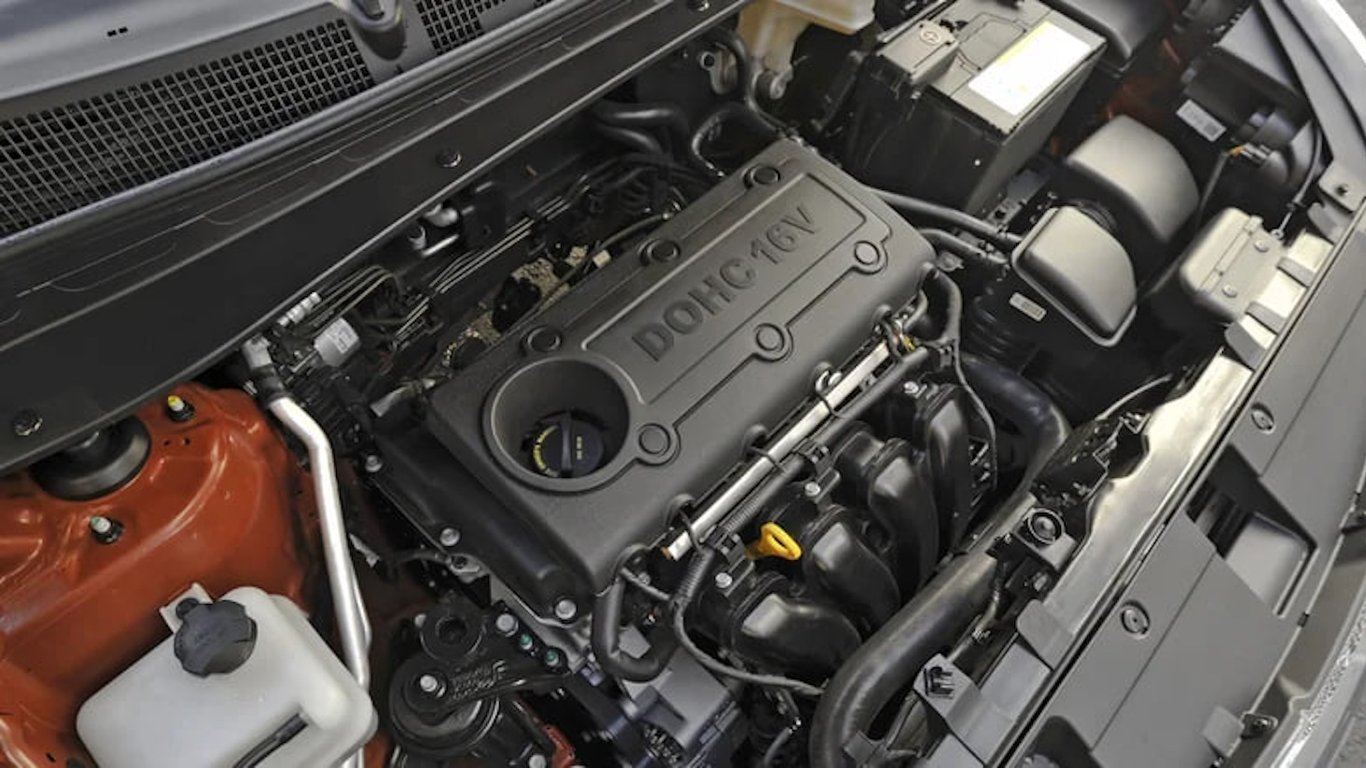
According to Novyny.live: Specific engine models in Hyundai and Kia vehicles have raised significant safety concerns due to dangerous defects. These flaws can lead to engine failure, oil leaks, and an increased risk of spontaneous fires. The root cause is often traced to design weaknesses in the 2.0-liter and 2.4-liter Theta II engine series, where frequent breakdowns pose a direct threat to driver and passenger safety.
Another major reliability issue involves the 3.3-liter Lambda II engine, which is prone to failure before reaching 160,000 kilometers. This highlights broader questions about the durability of modern automotive components. Furthermore, the 2.0-liter Nu series engine suffers from problematic piston rings, which can severely impact the engine's overall condition and performance.
Additional Defects and Concerns
In addition, the turbocharged 3.3-liter engine found in Genesis G70 sedans has a defective oil feed pipe, a flaw that can cause leaks and subsequent damage. It is also important to note that the 1.7-liter CRDi diesel engine frequently experiences timing chain stretch, adding to the list of problems faced by Hyundai and Kia owners. These Korean automakers are major global brands, making these widespread engine issues a significant international concern.
The hazardous defects in these engines are alarming for consumers, as the risks of fire and sudden breakdown can have serious consequences.
It is crucial for the manufacturers to take necessary steps to address these problems and ensure customer safety. The issue with the weak timing chain also requires urgent intervention to prevent further complications and potential dangers for drivers.
The persistent engine problems point to serious shortcomings in engineering and quality control that could damage the brands' reputations. Consumers who own vehicles with these engines may feel uncertain and fearful for their safety, which could ultimately lead to a decline in sales. Manufacturers must respond swiftly to this situation to avoid further negative impacts on their customers and their business as a whole.
Read also
- Russian Missiles Sink Freighter Golden Leo, Killing 10 Crew Members
- Eight Dead in Russian Attacks Across Ukraine, Including a Nine-Year-Old in Chernihiv
- One Woman Dead, 29 Injured After Driver Rams Into Crowd at Berlin Pride Celebration
- By July 26, the Last Surviving Gas Station on the Kharkiv–Kyiv Highway Was Destroyed – Now Every Station Along the Route Is Gone
- 123 Drones Shot Down, Six Regions Hit: Russia's Overnight Attack Leaves Dead and Injured
- Eleven Dead in Russian Missile Attack on Military Range Near Kyiv—Maltese Diplomat Among Victims