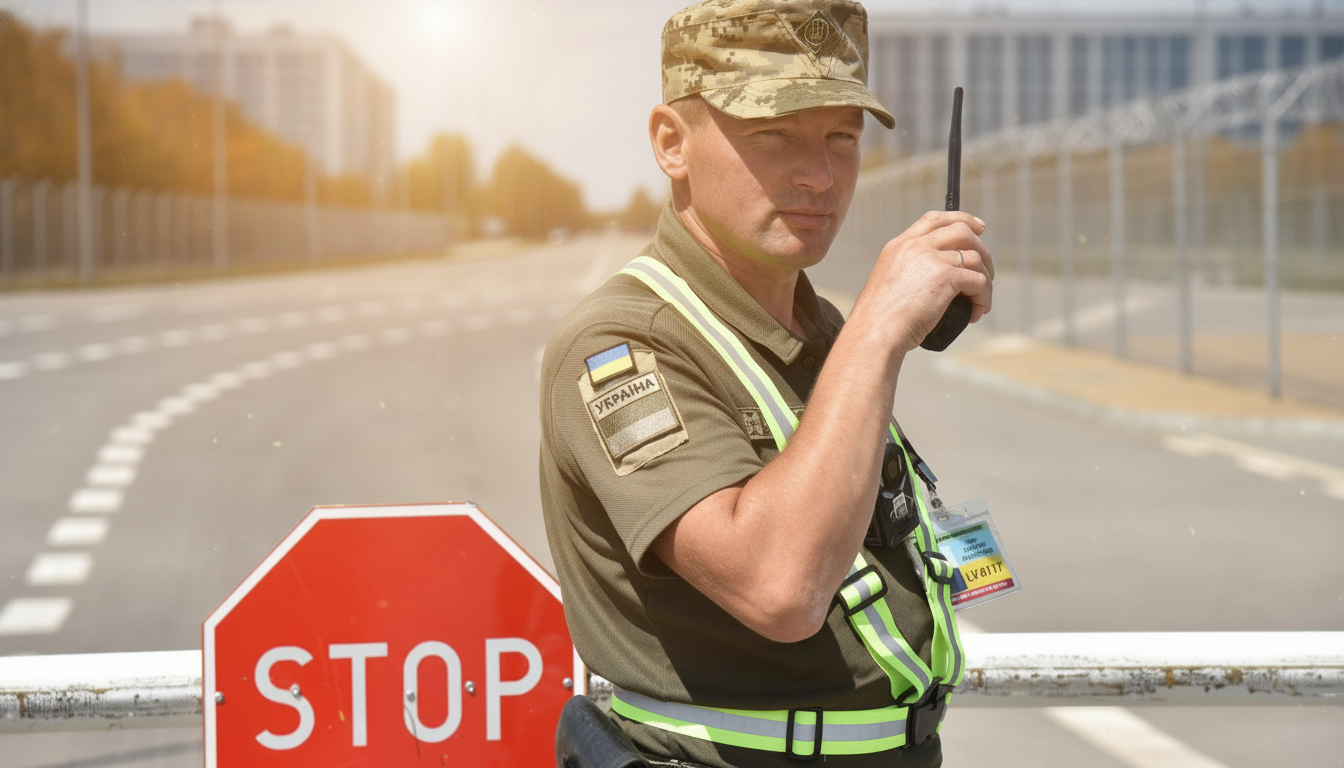
New EU Biometric Passports: How Border Crossing Will Change for Ukrainians.


According to The Sun: The head of the coach transportation industry in the UK has warned that new passport checks at the border for Britons traveling to Europe could lead to significant delays and 'harm' journeys across the Channel on ferries.
As of today, tourists and workers heading to nearly 30 countries must undergo biometric checks, during which they are photographed and fingerprinted.
Chris EadesThose traveling through the Port of Dover, Eurotunnel in Folkestone, and Eurostar in London must undergo checks by the Entry Exit System (EES) in the UK.
In contrast, tourists flying out of Britain are not subject to these checks, as they will be conducted upon arrival at the airport.
Predictions and Concerns
Steven Spindler, Operations Director of the UK Coach Operators Association, noted that if the EES 'leads to unforeseen delays', it could 'undermine confidence and deter group travel across the Channel'. He emphasized that this is 'the biggest operational change in decades'.
He also mentioned that coaches typically carry up to 60 passengers, who 'must go through the new biometric process' and warned of 'a completely different level of complexity that the system must manage effectively'.
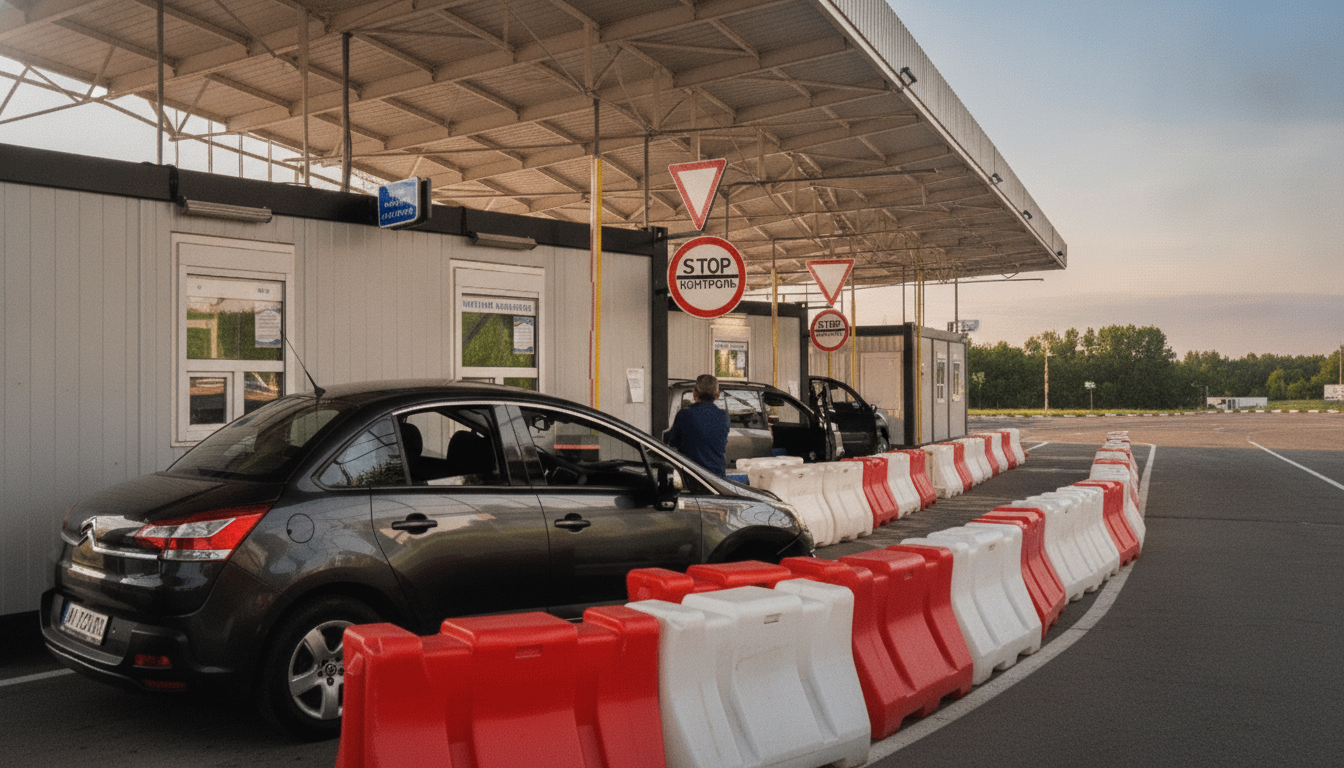
Currently, checks for car passengers in Dover take about six minutes, compared to 30-60 seconds under the old system.
The Port of Dover has invested £40 million in new facilities, including the reclamation of wetlands for coach passengers.
Implementation Issues
Steven added that although the port has made significant progress in preparing for the EES, 'the real test will come when the system operates at full capacity during peak travel periods'.
To date, only a few countries, including Germany, are testing the new digital system at the border, using it only in Düsseldorf.
One goal of the new system is to ease enforcement of the 90-day rule, allowing non-EU residents to stay in countries for only 90 days out of every 180.
Exempt from checks are British tourists traveling to Ireland and Cyprus, diplomats, ministers on official visits, and individuals with EU residency status under the terms of the Withdrawal Agreement.
Non-EU citizens may also face questions from border guards when entering European countries under the new system.
id='6350519080112' data-video-id='6350519080112' data-account='5067014667001' data-player='default' data-usage='cms:WordPress:6.5.7:2.8.6:javascript' data-embed='default' class='video-js' data-application-id='' controls style='width: 100%; height: 100%; position: absolute; top: 0; bottom: 0; right: 0; left: 0;'> The introduction of new biometric checks at the border for Britons traveling to Europe has become an important step that has raised concerns in the coach transport sector. Many experts point to possible delays and complications in the travel process, particularly during peak seasons. This could affect the popularity of group trips across the Channel. The EES system has its advantages, but it also brings new challenges for both passengers and carriers.Read also
- Paper Tickets Now Mandatory for Certain International Routes, Ukrzaliznytsia Warns Travelers
- A Hidden 1989 Inscription by Metro Builders at Kyiv’s Golden Gate Station: What Lies Behind the Wall
- Buses from Ukraine to Poland Suspended for 18 Months Due to Repairs at Shehyni-Medyka Border Crossing
- Suitcase delivery to parcel lockers across 8 EU countries launched by InPost – pricing revealed
- Bus Service to Poland via Shehyni Checkpoint to Halt for 18 Months Starting June 15, 2026
- Over 10 Odesa Beach Zones Certified and Ready for Summer Season