New Rules for Ukrainians in the EU: What is EES and How Travel Changes.

New Rules for Travelers to Europe
According to The Sun: Today, new rules have come into force for Britons planning to travel to Europe.
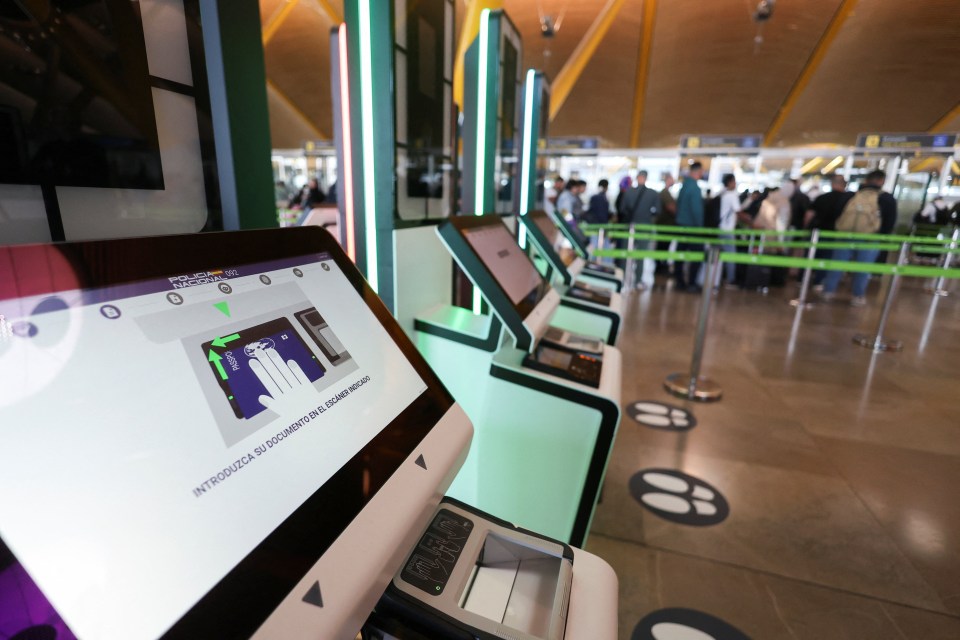
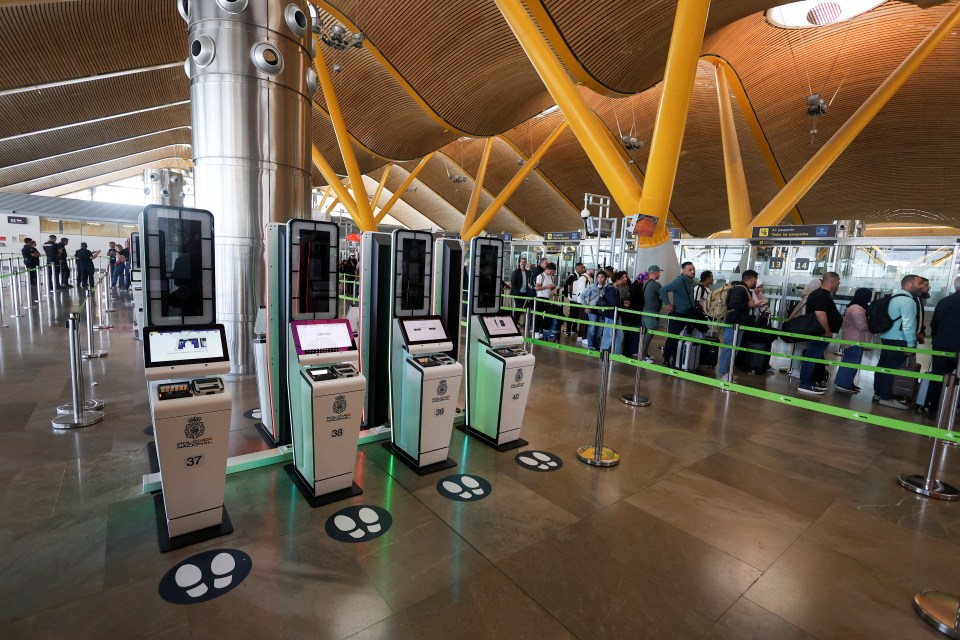
Under the new Entry and Exit System (EES), citizens from non-EU countries must now be registered at the border of the European Union.
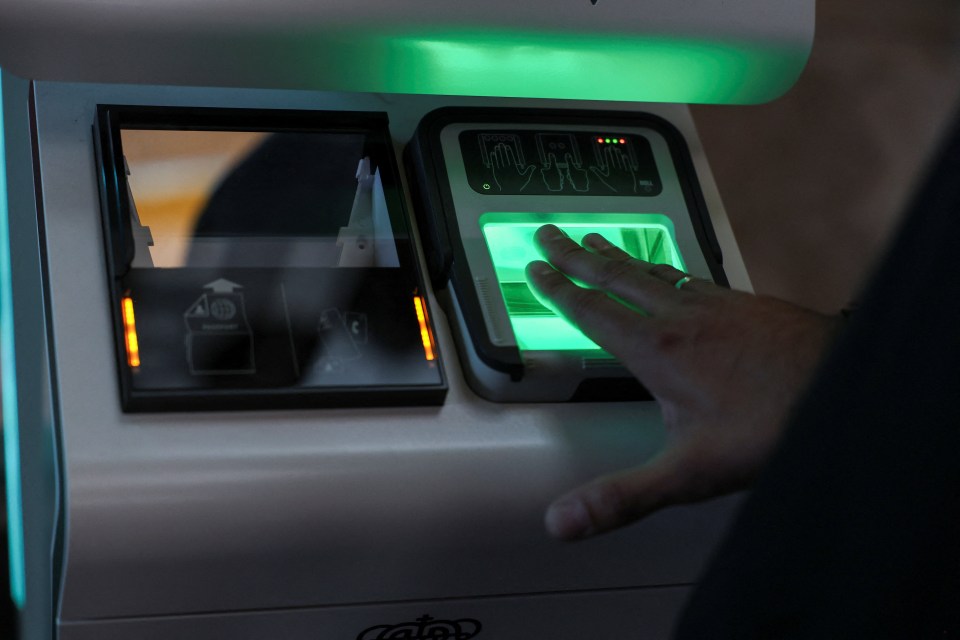
ReutersInstead of passport stamps, passport scanning, fingerprints, and photos will now be required.
Children under 12 will not need to provide fingerprints, but all travelers, regardless of age, will be photographed.
Additionally, travelers will be asked for a return ticket and sufficient financial means.
This regulation applies to all Schengen countries, including Iceland, Liechtenstein, Norway, and Switzerland.
In contrast, these requirements do not apply to countries that are not part of the Schengen area, such as Ireland or Cyprus.
Details of the New Control System
Checks will be conducted on the British side at the Port of Dover for passengers going on cruises, as well as for those using the Eurotunnel in Folkestone and Eurostar in London.
Those flying to Europe will be checked upon entry at the border.
Estonia and Luxembourg are fully implementing the new EES system today.
British citizens leaving the United Kingdom must register on their first visit, and this registration is valid for three years or until their passport expires.
The new rule will be gradually introduced over the next six months, with full rollout planned by April 2026.
This decision is aimed at helping to avoid long queues and delays at the border.
However, some experts have expressed concerns about the new approach.
Tom Jenkins, CEO of the European Travel Association Etoa, said: “This is total confusion. You cannot have a partial system where they try — to start the registration to obtain an electronic record, even if it is not a real record. So they will register people and also stamp the passport.”
The Minister for Border Security and Asylum, Alex Norris, noted: “We acknowledge that the EES controls will represent a significant change for British travelers. For this reason, we have worked closely with our European partners to ensure as smooth a process as possible.”
 Reuters
“The common goal of the United Kingdom and the EU is to secure our borders, and these modernization measures help us protect our citizens and prevent illegal migration.”
The Minister for Aviation, Maritime, and Decarbonization, Kieran Mather, also noted that he supported a funding initiative of £10.5 million to facilitate the EES system.
He added: “Our top priority is to minimize delays for travelers and freight carriers, especially at our busiest borders.”
The rules allowing Britons to visit Europe for 90 days within 180 days remain unchanged.
An additional new feature for Britons traveling to Europe will be ETIAS.
 Reuters
The full implementation of ETIAS is scheduled for April 10, 2026.
Read also
- Paper Tickets Now Mandatory for Certain International Routes, Ukrzaliznytsia Warns Travelers
- A Hidden 1989 Inscription by Metro Builders at Kyiv’s Golden Gate Station: What Lies Behind the Wall
- Buses from Ukraine to Poland Suspended for 18 Months Due to Repairs at Shehyni-Medyka Border Crossing
- Suitcase delivery to parcel lockers across 8 EU countries launched by InPost – pricing revealed
- Bus Service to Poland via Shehyni Checkpoint to Halt for 18 Months Starting June 15, 2026
- Over 10 Odesa Beach Zones Certified and Ready for Summer Season