Overnight Strike on Kyiv: Explosions, Hotel Fire, and Looming Threat of a Massive Assault.

Drone Assault on the Capital
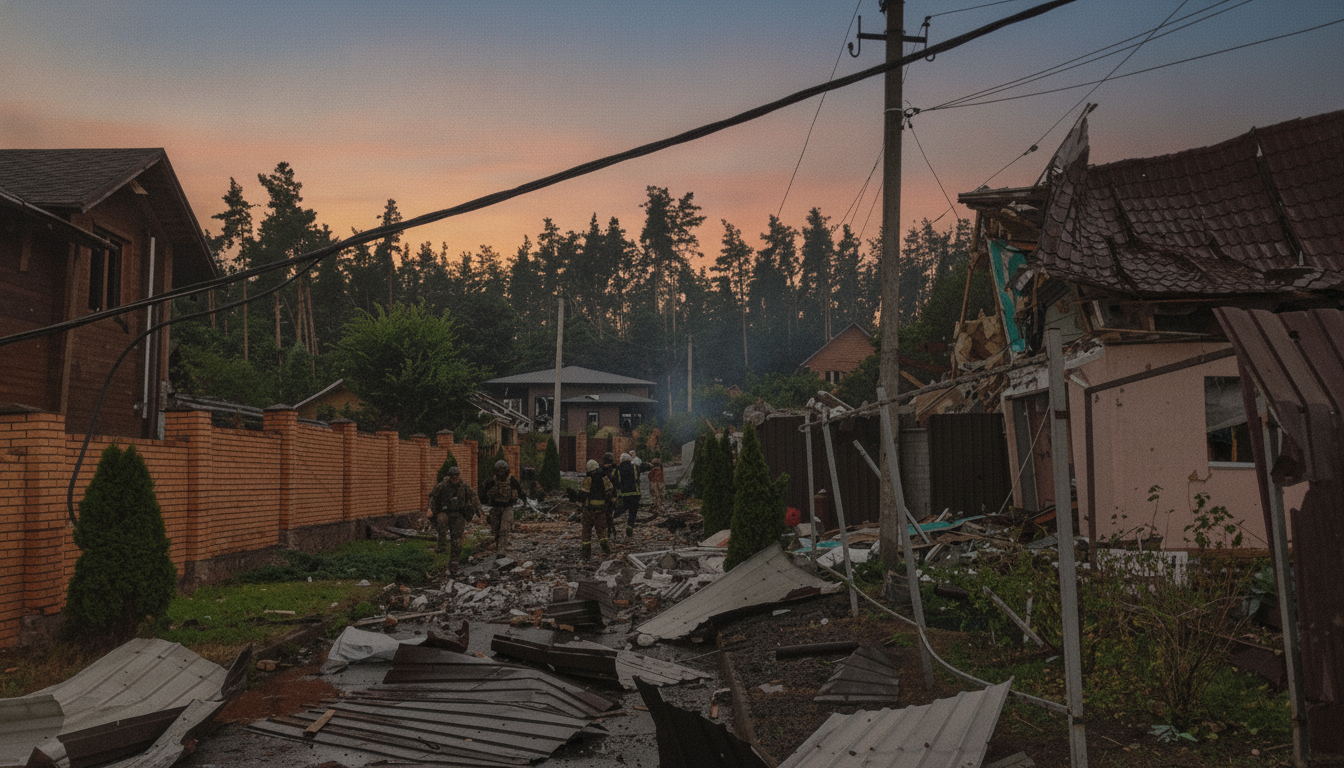
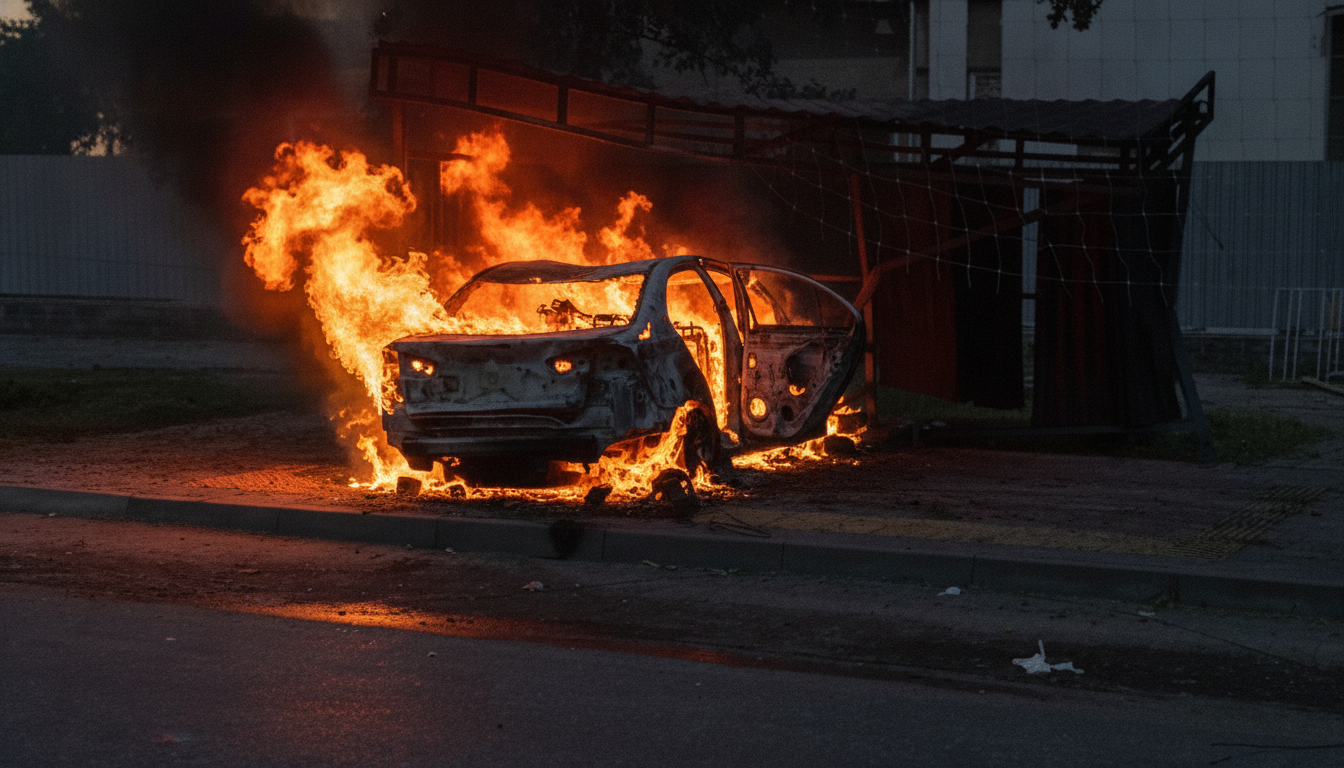
According to Novyny.live: Between the evening of July 1 and the early hours of July 2, Russia launched a drone attack on Kyiv. The first explosions in the city were heard shortly after 9:00 PM. The assault resulted in drone debris falling across multiple districts, triggering fires in several locations. Kyiv Mayor Vitali Klitschko and Head of the Kyiv City Military Administration Timur Tkachenko provided updates on the aftermath.
Impact and Aftermath
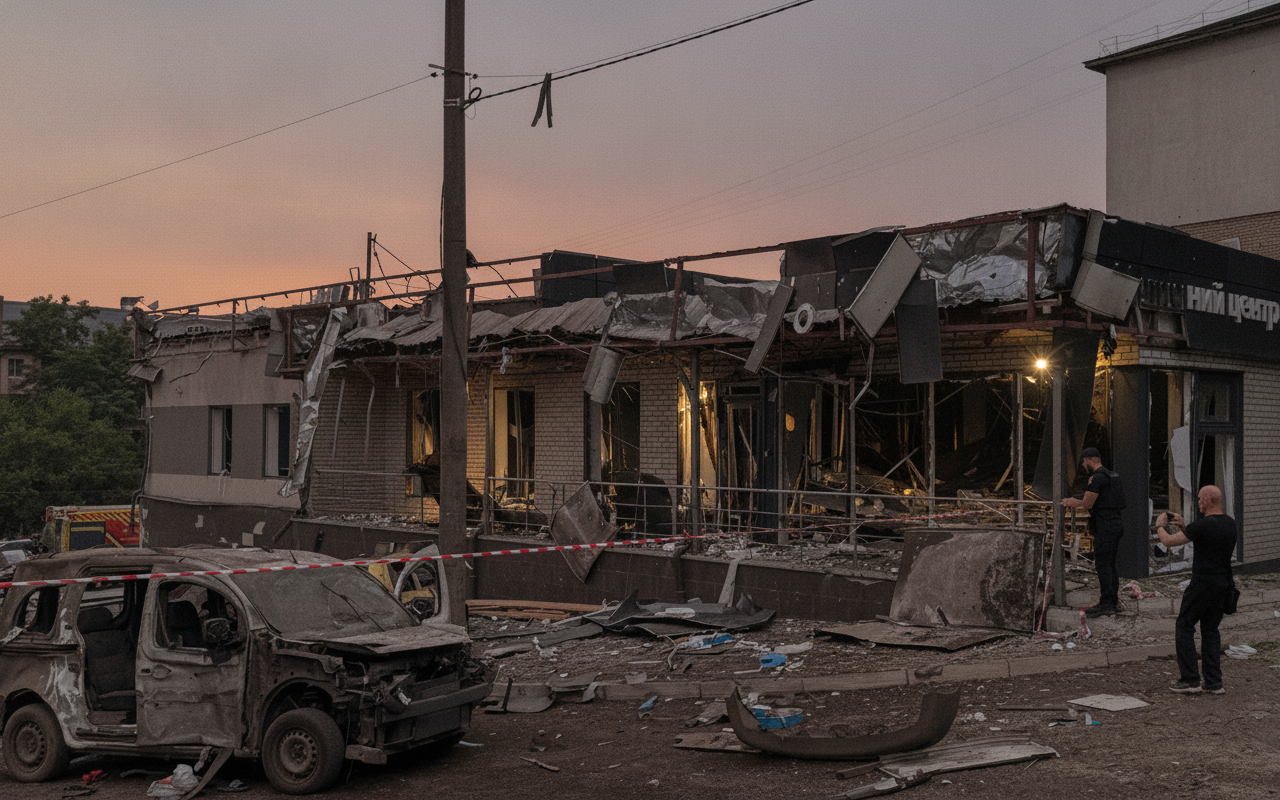
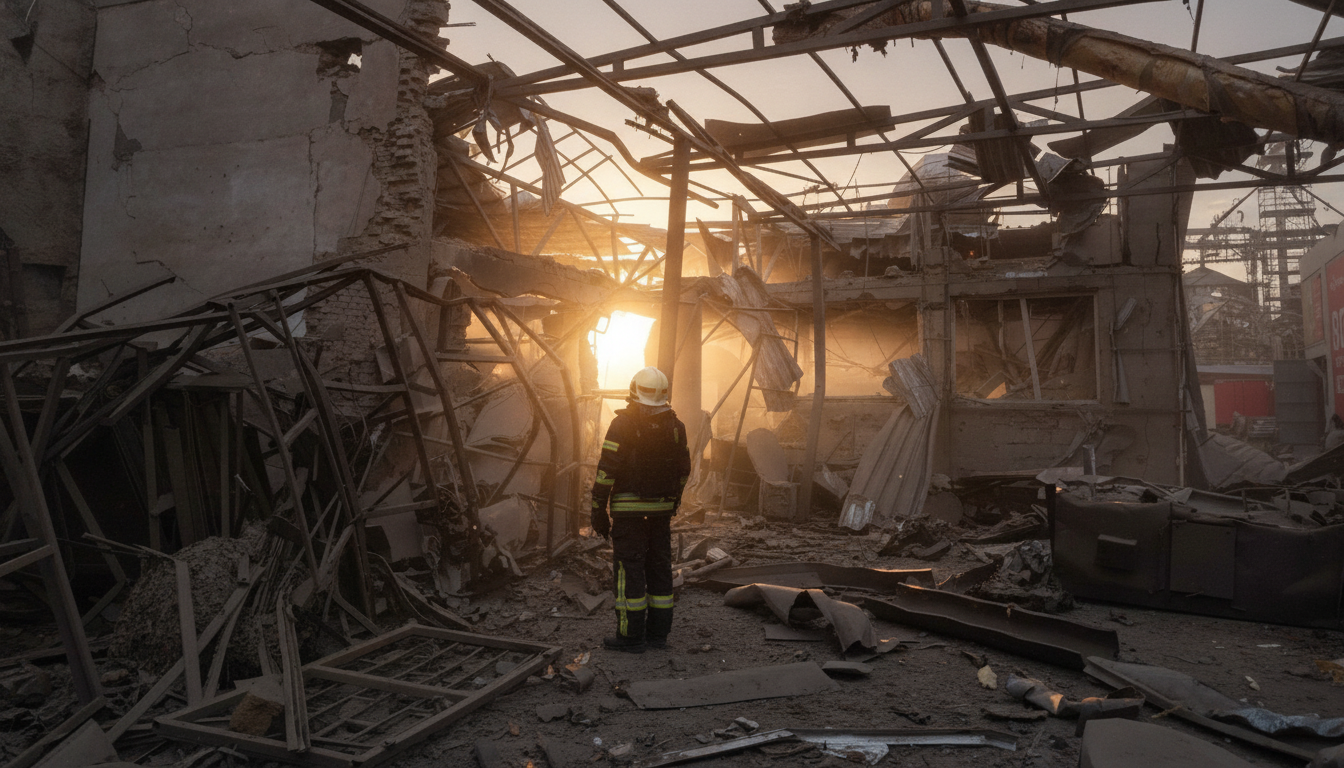
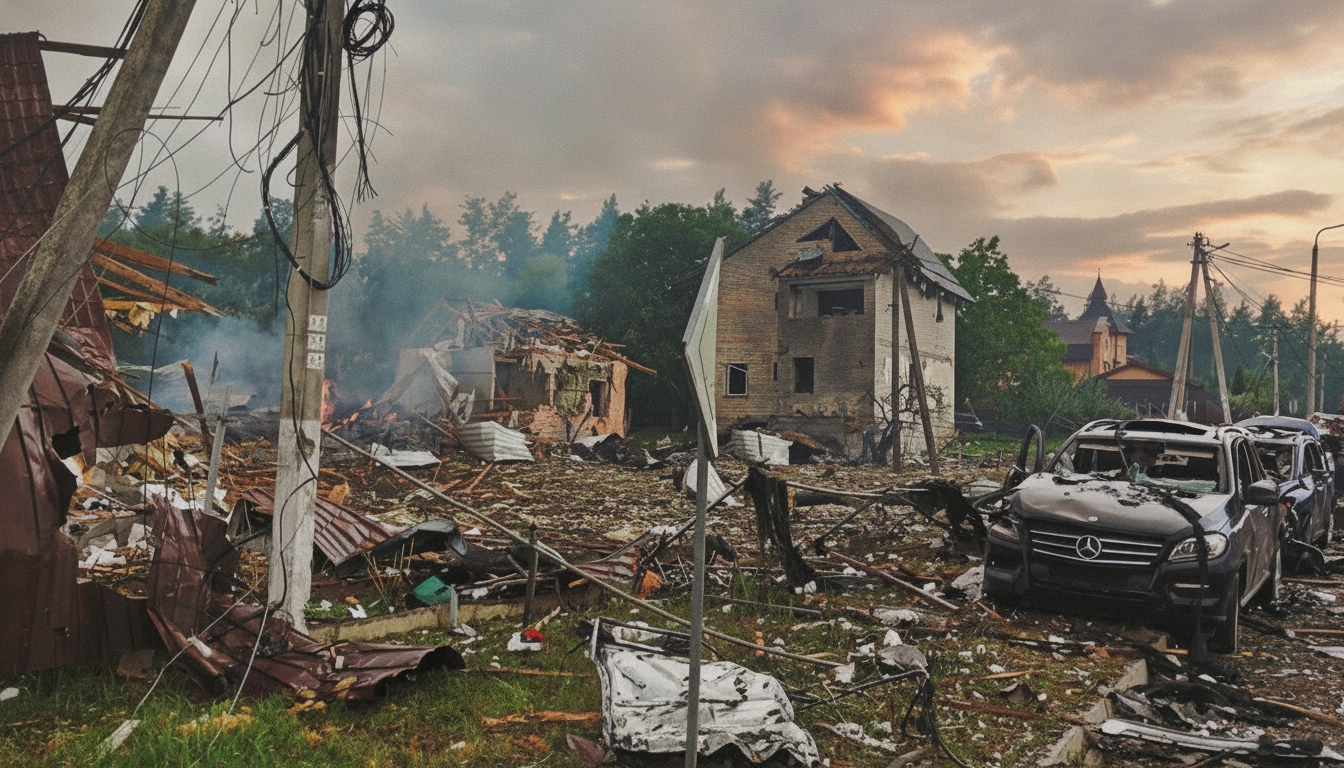
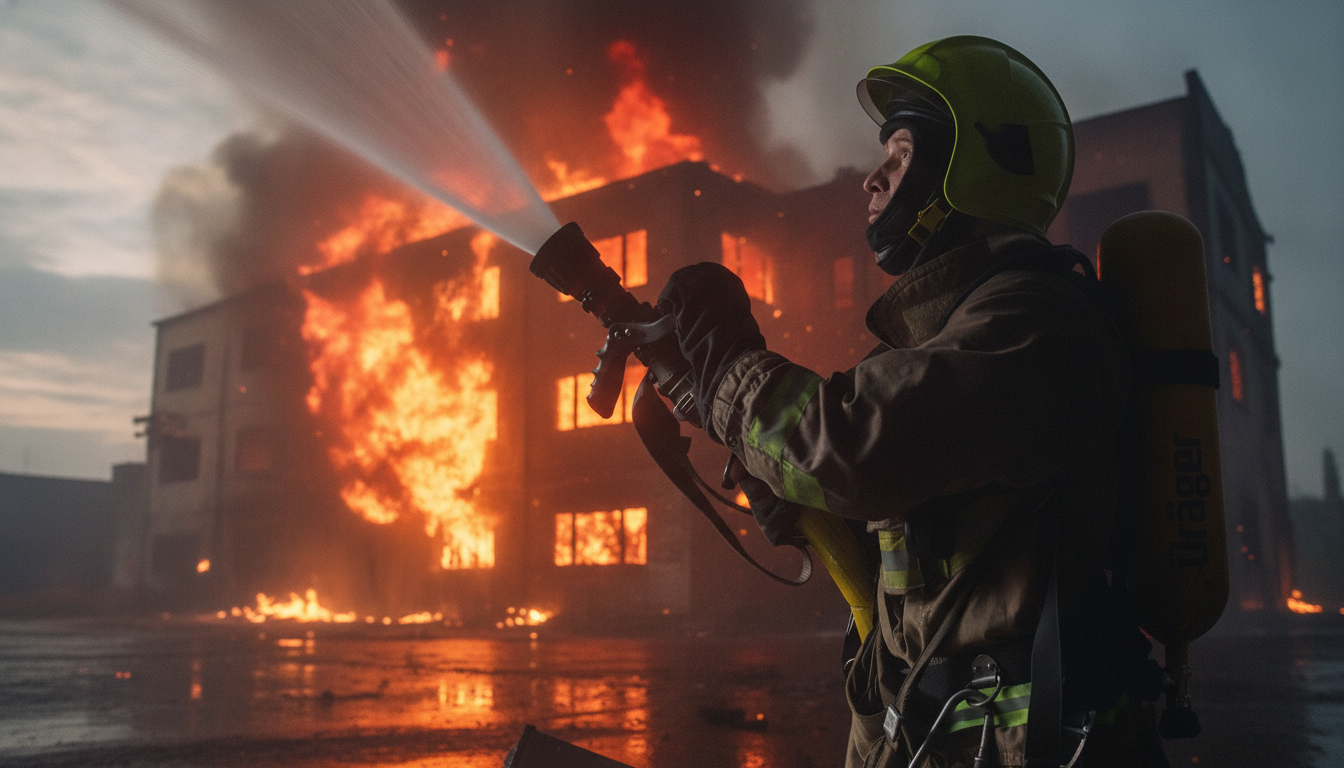
In the Desnyansky district, drone fragments landed near a private residence, but no fire broke out. However, in the Shevchenkivsky district, debris struck the grounds of a non-residential building, later igniting its roof. A separate fire also erupted at a hotel in the same area. Mayor Klitschko confirmed: “A fire occurred at a hotel.” Tkachenko warned that the drone attack could unfold in multiple waves. Russia has deployed strategic bombers, including Tu-95MS and Tu-160 aircraft, with around 10 planes heading to launch positions. Additionally, the enemy launched a large number of Shahed-type drones across Ukraine. The attack was prepared with 36 Iskander missiles and up to 12 Zircon missiles. Kyiv and the surrounding region remain the primary targets.
This situation underscores the imminent risk of a large-scale bombardment hanging over the capital. Residents of Kyiv must stay alert for further strikes, as Russian forces continue to employ a range of weaponry. Amid the ongoing danger, it is crucial to remain informed about potential threats and follow guidance from local authorities.
This attack is part of Russia's broader strategy to destabilize Ukraine and intimidate its population. Given the intensified activity of Russian air forces, Ukrainian military and civilian services need to focus on strengthening air defense systems and ensuring public safety.
Such incidents can have severe repercussions for daily life and the regional economy, making timely and appropriate responses essential.
Read also
- EU Sanctions Russian Drone Parts Maker ABS Electro: What to Know
- Kyiv Military Administration Chief Tkachenko Dismissed Under Decree No. 615: Key Details
- Kyiv Under Night Attack: Warehouses Struck and School Damaged
- Kyiv Missile Strike: 12 Dead, 49 Wounded, Including 5 Children
- July 6 Kyiv Attack: 15 Dead, 60 Wounded, 30 Buildings Damaged in Massive Strike
- Kyiv Attack Death Toll Reaches 12, with 60 Injured