Why Only 6% of German Homes Have Air Conditioning as the Country Braces for Heatwaves.

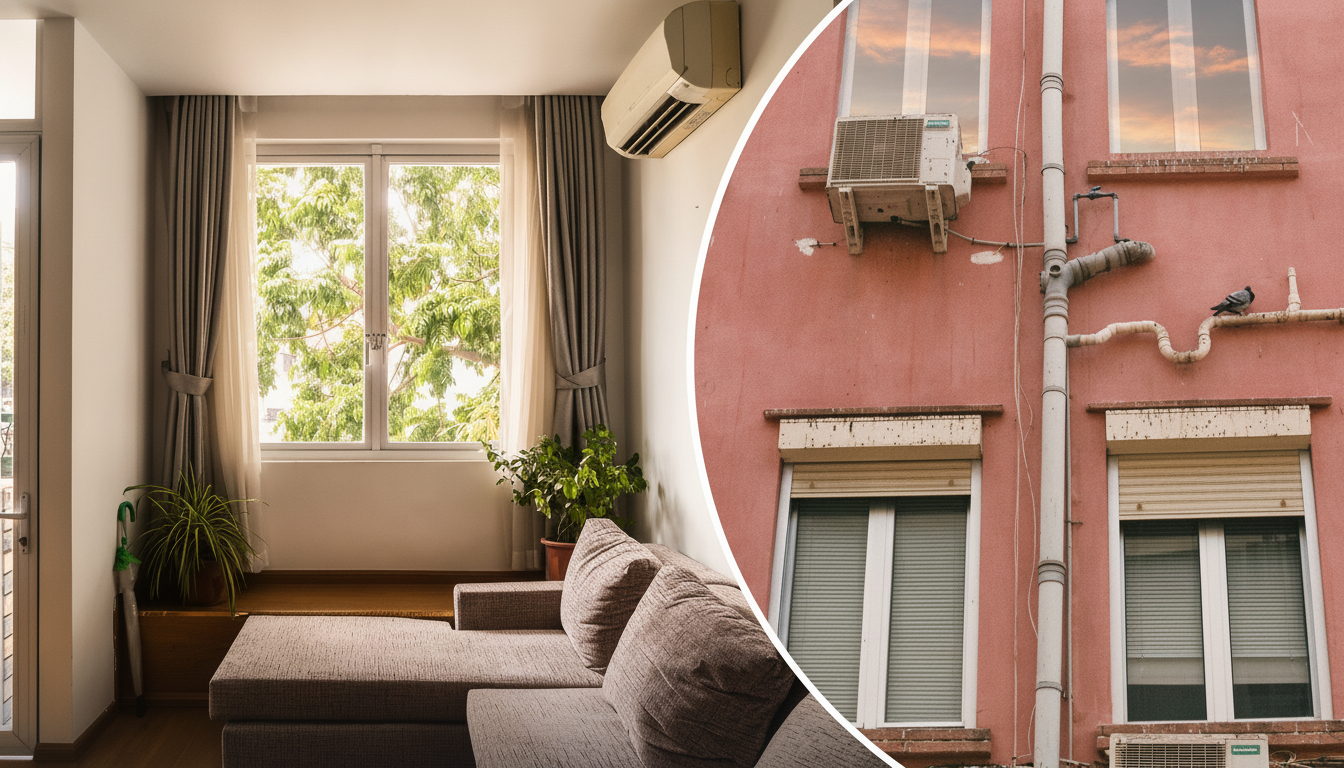
Germany's Air Conditioning Landscape
According to Novyny.live: Air conditioning remains a rare commodity in Germany, with a mere 6% of households equipped with cooling systems. This stands in stark contrast to the United States, where nearly 90% of homes have AC. The reasons are rooted in Germany's traditionally mild climate, an aging building stock, and high electricity costs. Yet, demand for air conditioning is on the rise, driven by global warming. Between 2019 and 2024, interest in these systems surged by approximately 75%.
Barriers and Alternatives
What explains Germany's low adoption of air conditioning? First, the country's temperate climate has historically made cooling less of a priority compared to hotter regions. Many German households avoid investing in AC units, viewing them as unnecessary. Second, older buildings with poor insulation often cannot accommodate modern cooling systems.
What else holds back the spread of air conditioning in Germany? According to data, 38% of Europeans cannot afford to regularly cool their homes due to high energy prices. The steep cost of electricity is a major factor influencing household decisions on AC installation. Meanwhile, Germans have turned to alternative heat-fighting strategies, including:
- improved thermal insulation
- external shutters
- natural ventilation
- greenery and landscaping
These methods help maintain comfortable indoor temperatures without significant electricity expenses.
As a result, despite growing interest in air conditioning across Germany, a mix of socioeconomic and climatic factors continues to limit widespread adoption. For now, German households keep exploring other ways to stay comfortable in their homes.
The rising demand for AC units in Germany may signal a shift in consumer habits, particularly under the influence of global warming and more frequent hot summers. However, high electricity costs and the characteristics of the country's building stock remain substantial hurdles to broader implementation. This highlights the need for more efficient and affordable solutions to ensure comfortable indoor climates amid changing weather patterns.
Read also
- Kyiv Electric Train Prices Increase from July 22: Fare Will Rise to 37 Hryvnias
- Russia Fines Residents for Storing Gasoline in Garages Amid Fuel Shortages
- Why Internally Displaced People in Ukraine Can't Get Mortgages: A Key Obstacle Identified
- Attacks on Ukrainians Surge in Poland: Hate Crime Numbers Jump 30%
- Civilian Casualties in Ukraine Hit Record Highs, UN Reports: A Closer Look at the Shift
- Fare rates for transportation in Kyiv have tripled: how the war is changing the transportation reality