Why Germany Resists Becoming Europe's Military Leader.

Germany's Role in European Security
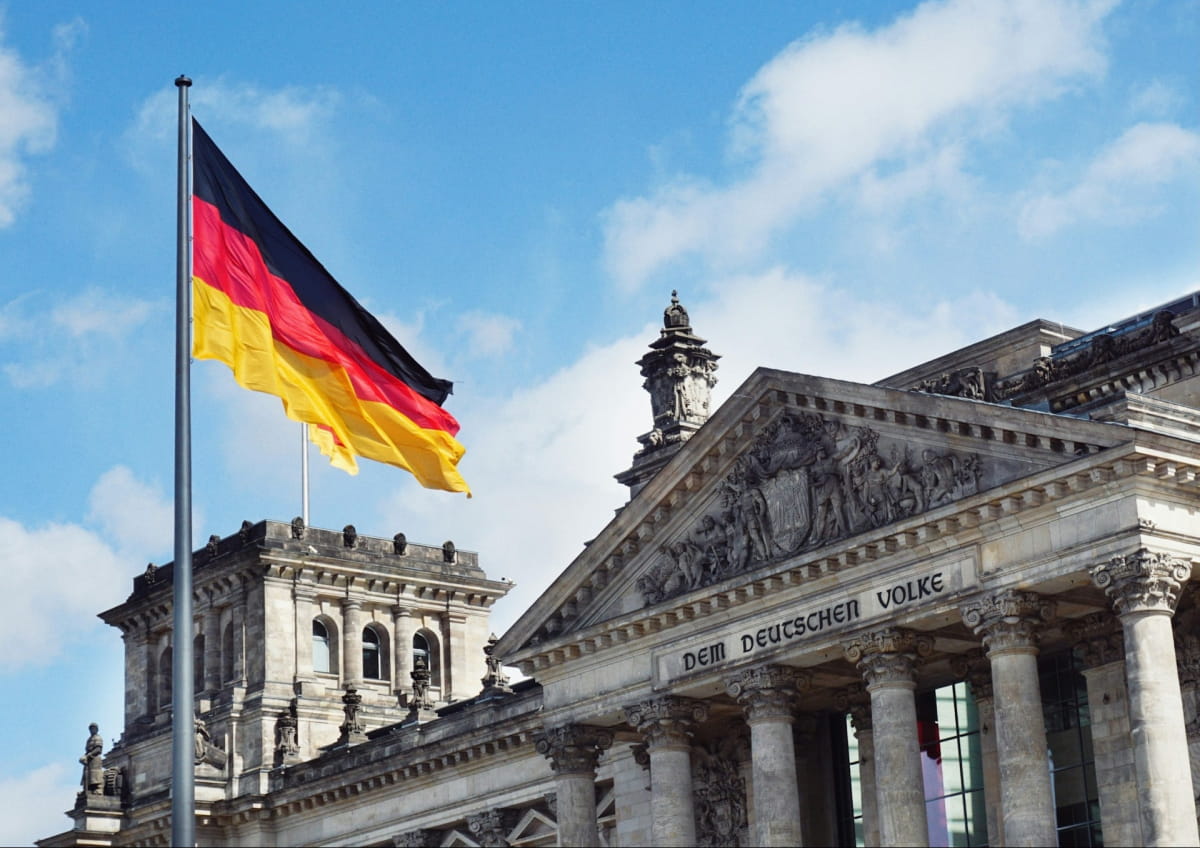
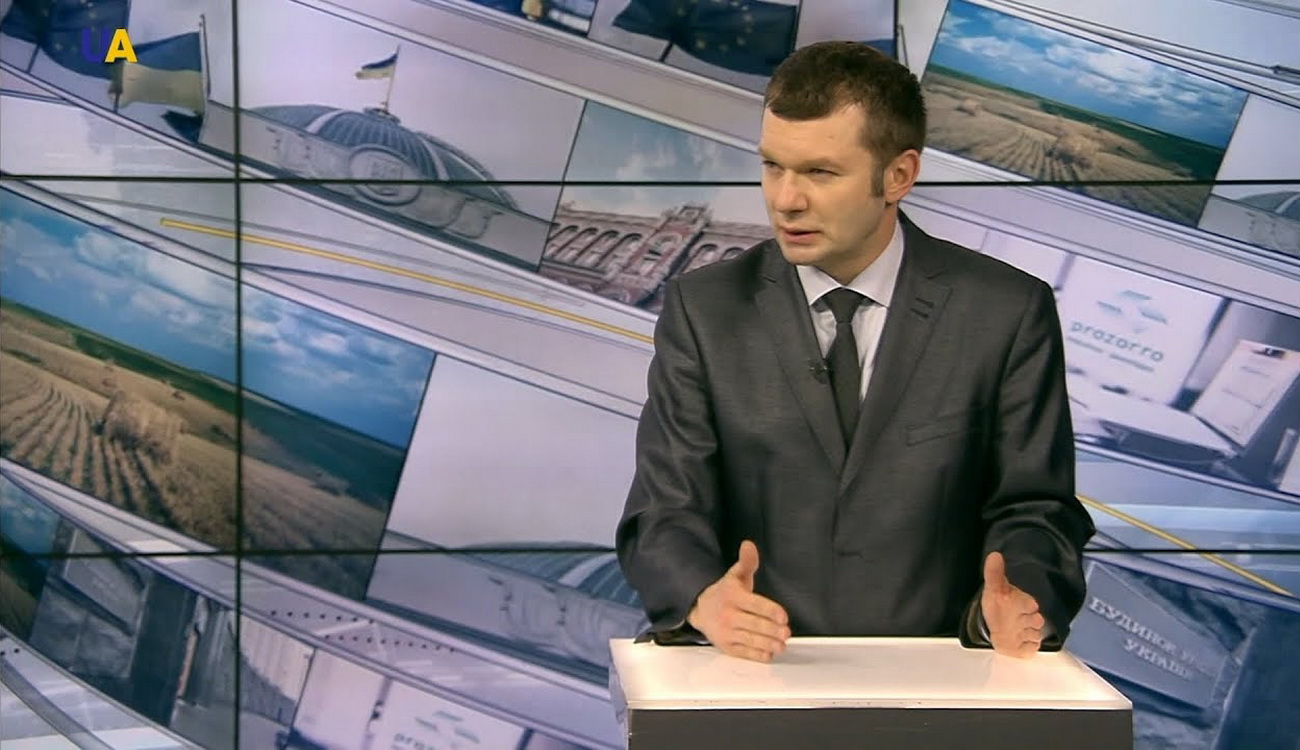
According to UATV: Despite its considerable resources and technological prowess, Germany shows little willingness to develop a formidable land army or assume the mantle of Europe's military leader. Bogdan Popov, an analyst with the 'United Ukraine' think tank, has commented on Berlin's security role, noting the nation possesses the potential but lacks the desire to take charge of military initiatives. This stance is shaped by deep-seated historical and political sensitivities that continue to influence German foreign policy.
Popov argues that Germany could become the central hub of Europe's defense industry. He emphasized that German factories are capable of producing high-quality military hardware, including tanks, missiles, and aircraft. Yet, even with this industrial capacity, the country remains cautious about building up substantial armed forces.
Challenges to European Security
The expert also pointed to errors by European leaders in their past dealings with Russia, which he believes have impacted the regional security landscape. He noted that modern German society has undergone significant changes, which is reflected in the country's cautious approach to military power. While Germany has declared plans to develop its own satellite-based missile detection system, whether it can realize these ambitions remains an open question.
'European economies are slowing down colossally,' Popov stated, suggesting this indicates broader instability in the region.
Consequently, despite its available resources and technology, Germany exhibits no ambition to lead Europe militarily—a position that could have serious implications for continental security. Germany's reluctance to strengthen its armed forces decisively is causing concern among its European partners, especially given the growing threats posed by Russia. This hesitancy risks undermining the collective security of the region.
Nevertheless, Germany's potential within the defense-industrial sector remains a crucial asset. It could be leveraged to bolster Europe's defensive capabilities, but only if the country chooses to embrace responsibility for leading military projects.
Read also
- Ukrainian Forces Strike Kirov’s Avitek Plant: Key Military Components Under Sanctions
- Ireland Hands Over Aluminum Probe to EU Amid Concerns Over Russian Defense Sector Risks
- A Vatican Meeting Shifted Zelenskyy’s Relationship With Trump: What Happened at St. Peter’s Basilica
- Russian Missiles Minutes from Berlin: Germany's Foreign Minister Issues Stark Warning
- EU Approves 21st Russia Sanctions Package: Key Restrictions and Why It Falls Short of Expectations
- EU Adopts 21st Sanctions Package Against Russia: What It Means for Oil and Banking