Ukraine's Energy Regulator Announces New Ukrenergo Tariffs: What You'll Pay Starting July 1.

Ukrenergo Tariffs Set to Rise
According to Novyny.live: Starting July 1, 2026, the National Energy and Utilities Regulatory Commission (NEURC) plans to increase tariffs for Ukraine's state-owned grid operator, Ukrenergo. Under the new proposals, the cost of electricity transmission could jump by 21.6%, reaching 903.53 UAH per MWh (excluding VAT). Additionally, the tariff for dispatching services is set at 118.64 UAH per MWh. These changes are part of broader adjustments to Ukraine's energy market, which is undergoing significant regulatory reform.
A separate tariff for 'green' electrometallurgy enterprises is proposed at 535.97 UAH per MWh, marking an increase of roughly 42%. Initially, Ukrenergo had sought even steeper hikes—29% for transmission, 53% for green metallurgy, and 55.5% for dispatching. However, NEURC's final proposals are more moderate than the operator's original requests.
Market Impact and Forecasts
Analysts predict that these tariff increases could lead to a 9.5% drop in electricity output and a 5.5% decline in transmission volumes. It's worth noting that new electricity market rules take effect on May 1, 2026, which will further shape tariff policies in the months ahead.
Whether household consumers will see changes in their electricity bills remains unclear, pending additional clarification from the regulator. For now, attention is focused on the new industrial tariffs, which are expected to have a substantial impact on Ukraine's electricity market.
The planned 2026 tariff hikes for Ukrenergo could significantly affect Ukraine's energy sector. Rising costs for electricity transmission and dispatching may reduce both production and consumption, with broader implications for the country's economy.
Source: NEURC
It is crucial for the regulator to provide clear guidance on how these new tariffs will affect residential customers, a pressing concern for many Ukrainians. The outcome will influence not only household budgets but also the overall stability of Ukraine's energy system.
Read also
- UK Greenlit to Join EU's €90 Billion Loan Program for Ukraine
- Online Lending in Ukraine: Key Rules for Staying Financially Safe
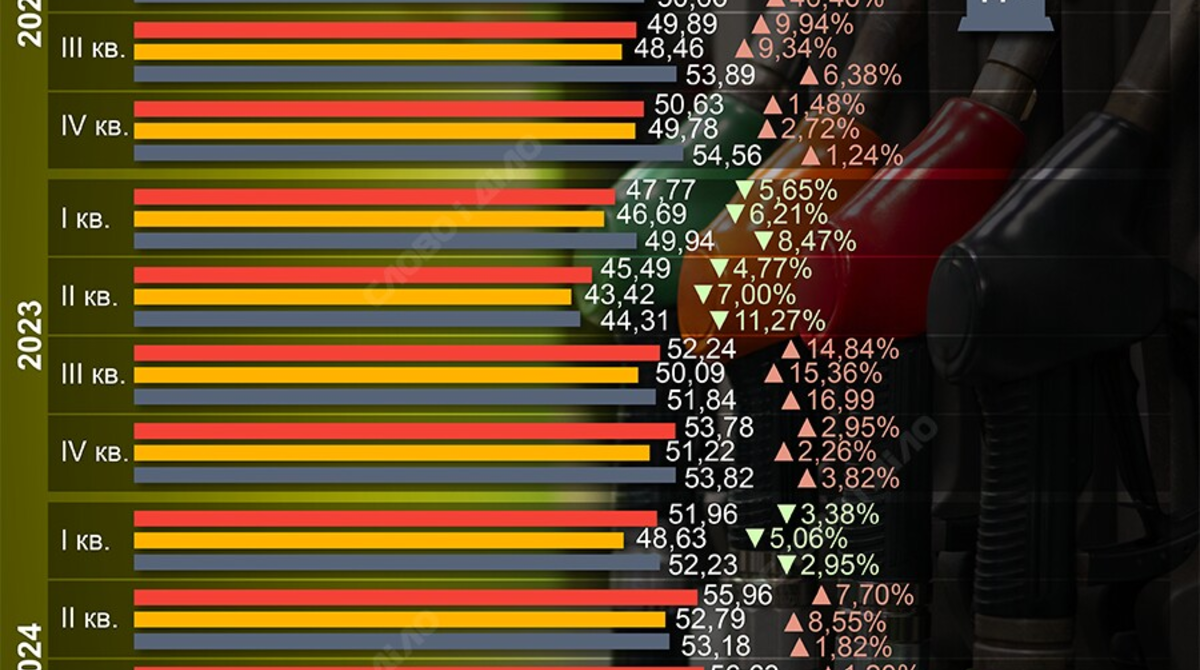
- Fuel Prices in Ukraine Surge to 83 Hryvnias: A Five-Year Price Evolution
- Russia Halts OFZ Auctions After Market Crash as Budget Deficit Hits 5.7 Trillion Rubles
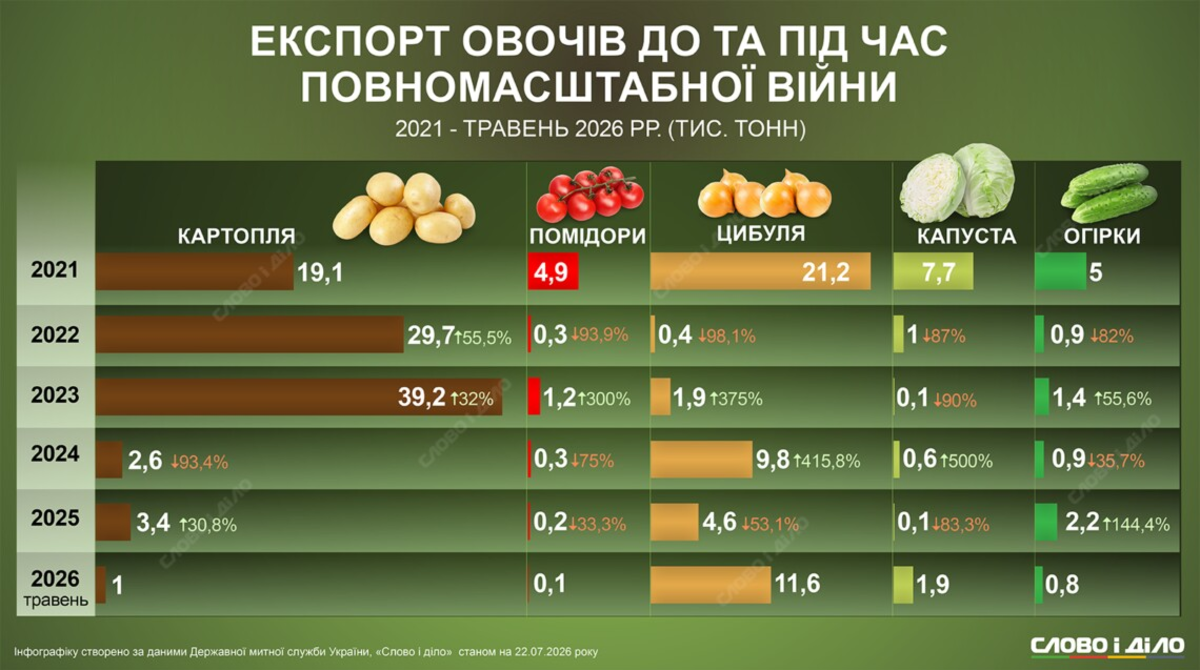
- Ukraine's vegetable exports collapse: tomato shipments drop 16-fold, onion exports plummet 53-fold
- ATB and S.T.A.L.K.E.R. 2 Joint Initiative Named Finalist at Prestigious European Awards