Norway Rejects Trump's 'Peace Council,' Citing Concerns Over UN and International Law.

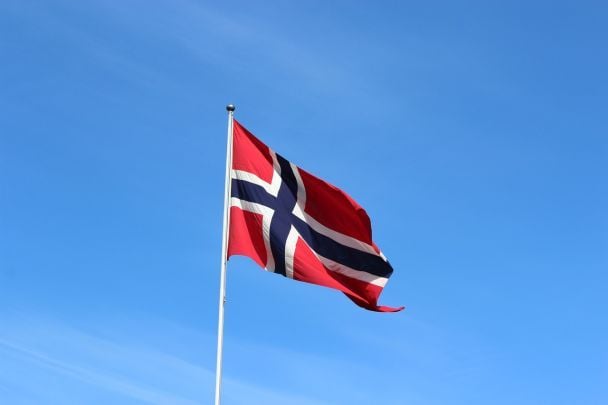
Norway Declines to Join Proposed 'Peace Council'
According to TSN.ua: Norway has formally declined to participate in a 'Peace Council' proposed by Donald Trump, expressing serious reservations about the initiative's implications for the United Nations and established international law. The announcement was made by Norwegian State Secretary Andreas Motzfeldt Kravik, who stated the country could not join a framework that questions existing international mechanisms. This decision reflects a broader European wariness of initiatives perceived to undermine multilateral institutions.
Other Nations Express Similar Skepticism
Other nations have also voiced skepticism toward Trump's proposal. France has confirmed it does not intend to take part, while Finnish President Alexander Stubb has expressed doubts. Canadian Prime Minister Stephen Carney hinted at a potential Canadian role but clarified that Canada would not pay for a seat on the council. The UN, founded after WWII, remains a cornerstone of the global diplomatic order for many of these nations.
"It is entirely clear that we cannot participate in a structure that calls into question the role of the UN and current international law," — Andreas Motzfeldt Kravik
He added, "We were not fully prepared for this." The stance of Norway and others highlights growing concern about the future role of international organizations in resolving global conflicts.
The refusal by Norway and other countries to join the 'Peace Council' underscores the continued importance they place on multilateral institutions for peaceful conflict resolution and maintaining global order. Doubts about the Trump initiative may signal a wider trend where nations seek to bolster traditional frameworks like the UN in the face of global challenges, a stance that could significantly impact future international cooperation and diplomacy.
Read also
- Ukraine’s 2026 Budget Leaves Military Funding in Limbo as Deficit Hits $4.4 Billion
- What Abramovich and Putin Discussed: Zelenskyy Reveals Details of the Oligarch's Kyiv Visit
- Pashinyan’s Party Secures 64 Seats in Armenian Parliamentary Vote
- Air Defense Talks Top Agenda as Zelensky Meets French and German Leaders in UK
- The Pope’s Forgiveness Formula: How the Volyn Tragedy Still Strains Ukraine–Poland Relations
- 7% of Drafted Individuals Were Eligible for Exemption: What’s Known About Military Office Errors