Polynesian rats destroyed the palm trees of Easter Island: a new version of decline.

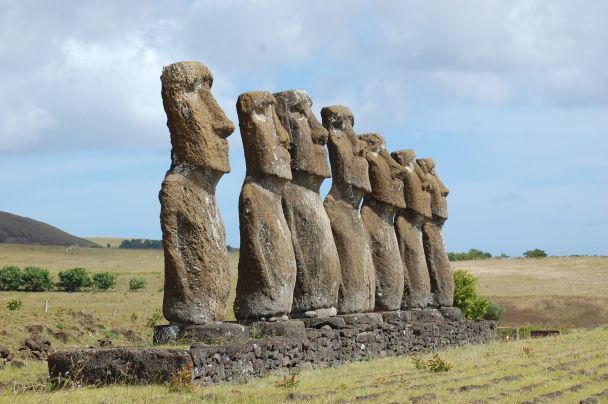
According to ТСН: Scientists have discovered that Polynesian rats destroyed almost all the seeds of a unique species of large palms, casting doubt on the main theory of the decline of Easter Island.
New data contradict the notion that humans were the primary cause of deforestation on the island. The research shows that Polynesian rats played a significant role in the disappearance of local palms.
Impact of Polynesian rats
Before the arrival of the Polynesians, the island was dominated by special species of palms that grew up to 70 years and could live for half a century. Around AD 1200, settlers brought with them sweet potatoes and Polynesian rats, which quickly began to reproduce and massively consume the fruits of the palms.
Without natural predators, the rat population skyrocketed, reaching 11 million individuals in just 50 years. This led to the destruction of 95% of palm seeds, making the recovery of this species impossible.
Previously, scientists revealed how giant moai statues were moved on Easter Island.
These findings underscore the importance of considering ecological factors when studying the history of Easter Island. The results of this research may significantly alter our understanding of the causes of the decline of the civilization that inhabited the island. It also serves as a reminder of the dangers associated with introducing foreign species into vulnerable ecosystems.
Read also
- Pokrovsk Sector Battles: Russian Troops Suffer Up to 1,500 Daily Casualties in Push for Breakthrough
- A bridge linking Russia and North Korea is nearly finished – what that means for Ukraine’s security
- Four enemy armored vehicles destroyed in Zaporizhzhia as MiG-29 pilot executes precision bombing attack
- Six times cheaper than Tomahawk: Flamingo missile punches through Russian factory roof
- Ukrainian Forces Hit Russian Depots and the 'Priority' Plant in Fresh Attacks
- NATO transformed by Ukraine conflict: countries that enlarged their armies and reintroduced mandatory service