Ukraine's New Labor Code: Enhanced Parental Leave and Job Security Protections.

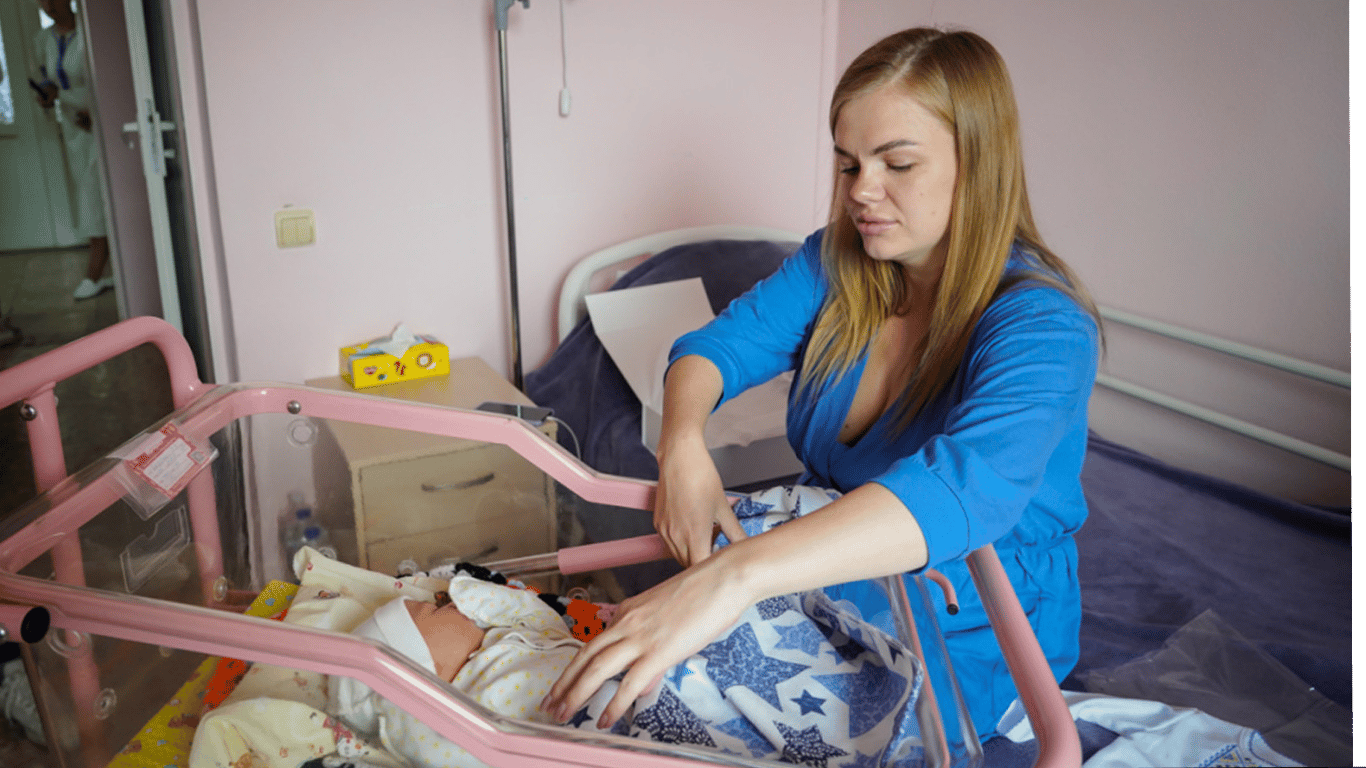
Reforms for Working Parents in Ukraine's Labor Code
According to Novyny.live: A proposed overhaul of Ukraine's Labor Code introduces several key measures designed to improve working conditions for parents. The planned reforms include:
- Extended paid leave entitlements for parents;
- A prohibition on dismissing employees who have children;
- New provisions for flexible working schedules;
- An increase in the standard annual leave from 24 to 28 calendar days.
Extended Paid Parental Leave
How much additional leave is being proposed? Each parent will be entitled to two months of additional paid leave for child care. For a single parent, this paid leave period will be extended to four months. It is important to note that maternity, paternity, or leave to care for a child under three years old is distinct from this additional paid leave entitlement.
What other protections does the draft Labor Code introduce? Specifically, it institutes a ban on dismissing employees who have a child under one and a half years old, as well as employees with a child with a disability. The draft also prohibits the dismissal of single mothers and single fathers who have a child under 14 years of age. These changes aim to provide enhanced job security for families with children.
What other leave changes are planned? The standard annual paid leave will be increased from 24 to 28 calendar days. These reforms reflect a legislative push to strengthen social protections for parents and improve conditions for raising children in Ukraine. This move aligns with broader European trends toward improving work-life balance.
Collectively, these initiatives are aimed at supporting families and creating more favorable conditions for balancing professional and family life in Ukraine.
The proposed labor law changes could significantly impact the social conditions for families with children in Ukraine, offering parents greater guarantees. In particular, the new rules are expected to foster greater job market stability for those raising children and may help encourage higher birth rates in the country. The implementation of such measures underscores the state's efforts to enhance social protection and support family values.
Read also
- Kyiv Electric Train Prices Increase from July 22: Fare Will Rise to 37 Hryvnias
- Russia Fines Residents for Storing Gasoline in Garages Amid Fuel Shortages
- Why Internally Displaced People in Ukraine Can't Get Mortgages: A Key Obstacle Identified
- Attacks on Ukrainians Surge in Poland: Hate Crime Numbers Jump 30%
- Civilian Casualties in Ukraine Hit Record Highs, UN Reports: A Closer Look at the Shift
- Fare rates for transportation in Kyiv have tripled: how the war is changing the transportation reality