Ukrainian Forces Track Disoriented Russian Units on Kharkiv Border as Communications Fail.

Small Enemy Groups Active Along Kharkiv Region Border
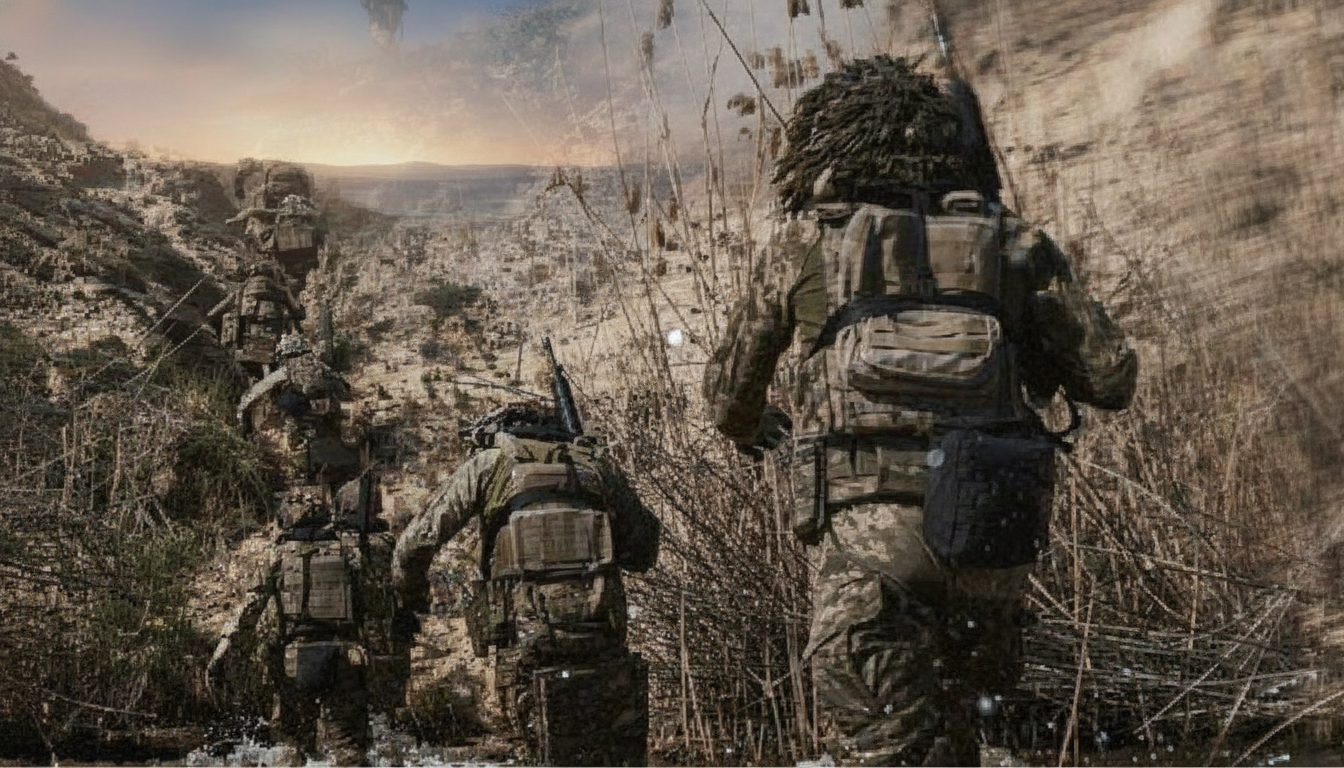
According to Novyny.live: Small Russian units are operating near the Kharkiv region border, but they are struggling with communication and relying heavily on civilian phones and paper maps for coordination. Ukrainian forces are closely monitoring these movements, demonstrating their readiness to adapt to shifting frontline conditions.
A senior sergeant from the 1st Motorized Infantry Battalion’s drone company, call sign 'Viking,' reported that Russian troops currently navigate using personal phones instead of standard military communication systems.
“They are essentially orienting themselves by phone, not through proper military comms,” Viking emphasized.This points to significant breakdowns in the enemy’s command and coordination.
Enemy Tactics and Ukraine’s Response
Russian units continue to operate in small groups, a tactic that has remained consistent. As one Ukrainian soldier noted, “Their tactics haven’t changed lately. It’s constant infiltration by small teams.” Over the past month, this approach has yielded only a few kilometers of Russian territorial gains, highlighting the effectiveness of Ukrainian forces in degrading the occupiers’ logistics. Ukraine’s defense forces are turning the enemy’s numerical advantage into losses while maintaining control over the frontline situation.
This information underscores the complex situation along the border, where enemy activity remains significant, but Ukrainian forces are responding effectively to evolving threats.
An analysis of the Kharkiv border area shows that Ukrainian forces are successfully implementing strategies to monitor enemy movements despite the adversary’s size. Communication problems within Russian ranks may indicate internal organizational difficulties, a crucial factor in the ongoing conflict. Maintaining control over the frontline and reducing the occupiers’ logistics capabilities are essential for regional stability.
Read also
- Kharkiv Weather on June 8: High of +29°C with Showers, Forecasters Warn
- Weekend Weather Update for Ukraine: Thunderstorms and Rain Forecast for June 8
- Heavy Rain Alert Issued for Ukraine: Which Regions Should Prepare for Storms
- Ukrainian Paratroopers Upgrade Stryker Armor Against Drone Threats: Inside the Process
- Solar Storms on June 7: Should You Expect a Major Geomagnetic Event?
- Day 1,565 of War: 223 Combat Clashes and a Record Daily Toll for Russian Forces