New Fence Rules in Ukraine: Height Limits and Your Neighbor's Right to Light.

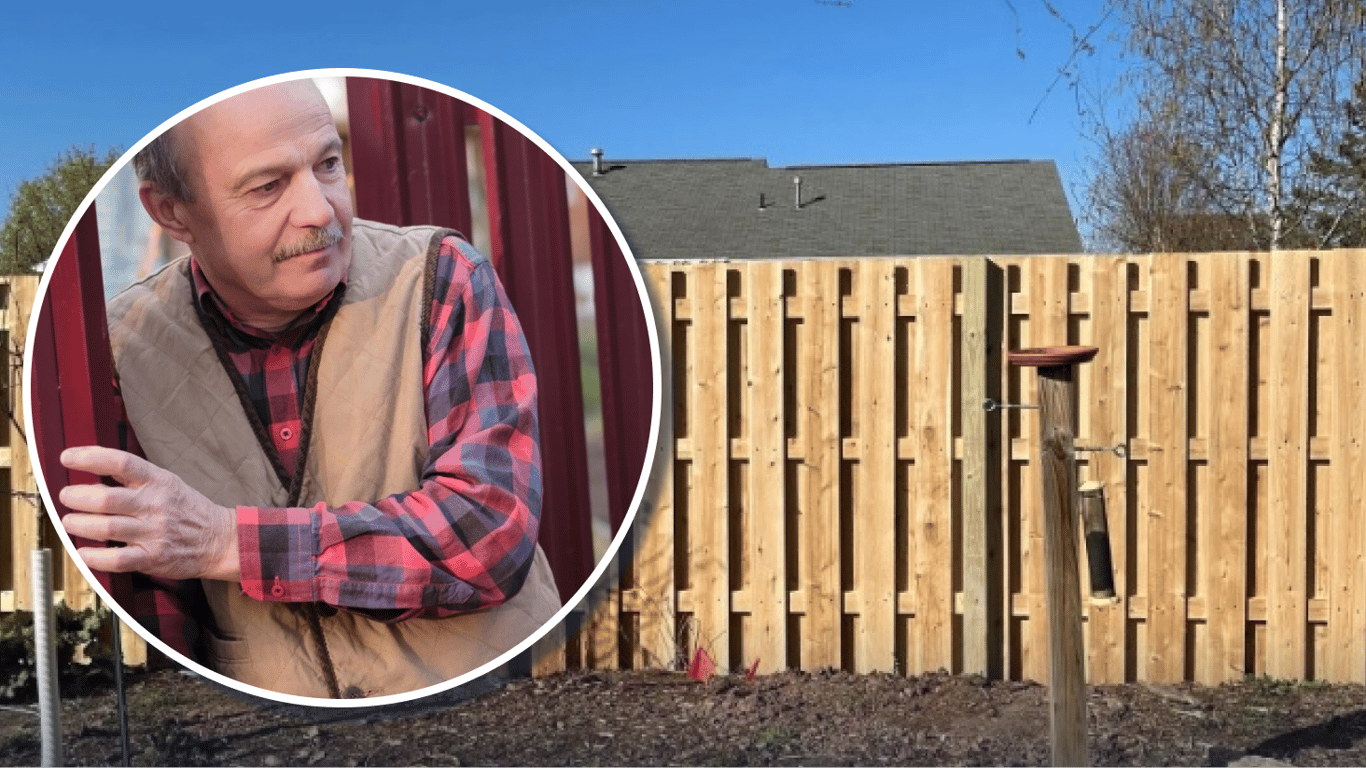
Rules for Erecting Fences in Ukraine
According to Novyny.live: In Ukraine, the construction of fences between neighboring properties is governed by specific regulations concerning height, boundaries, and access to sunlight. According to Ukrainian law, specifically Article 103 of the Land Code, a neighbor's permission is not required for building a fence as long as established height and insolation norms are met.
Fence height is generally limited to 2 meters. However, local municipalities can enforce stricter rules. In many communities, front-facing fences may only be permitted to reach a height of 1.5 to 1.8 meters. Therefore, property owners must consult local regulations before beginning construction.
Court Rulings and Financial Responsibility
Another critical factor is evolving court practice, which by 2026 had become stricter regarding the 'right to light'. This means property owners must consider not only the fence's height but also whether it blocks natural light from reaching the neighboring plot.
The question of who pays for the fence also has legal nuances. As lawyer Oleh Kozliak states,
"if the fence is built entirely on your property, then the owner bears all costs". This highlights that there is no universal legal rule obligating a neighbor to pay half the cost simply because the fence is on the boundary line. These regulations are similar to common 'spite fence' laws in other countries, though the specific limits differ.
Consequently, erecting a fence between neighbors in Ukraine involves navigating a series of norms and rules, requiring careful attention to detail. To avoid conflicts and misunderstandings, it is crucial to adhere to established standards and seek legal advice. This information is vital for landowners, as understanding fence installation rules helps prevent legal disputes with neighbors.
Given the changes in court practice, especially concerning light access, it is important to consider not only one's own needs but also the rights of those next door. Following local norms and consulting with legal professionals can preserve good neighborly relations and avoid the costs of resolving potential disputes.
Read also
- Kyiv Electric Train Prices Increase from July 22: Fare Will Rise to 37 Hryvnias
- Russia Fines Residents for Storing Gasoline in Garages Amid Fuel Shortages
- Why Internally Displaced People in Ukraine Can't Get Mortgages: A Key Obstacle Identified
- Attacks on Ukrainians Surge in Poland: Hate Crime Numbers Jump 30%
- Civilian Casualties in Ukraine Hit Record Highs, UN Reports: A Closer Look at the Shift
- Fare rates for transportation in Kyiv have tripled: how the war is changing the transportation reality