Teacher Salaries in Ukraine to Rise 30% by 2026: What Educators Will Actually Earn.

Ukraine's Persistent Challenge of Low Educator Pay
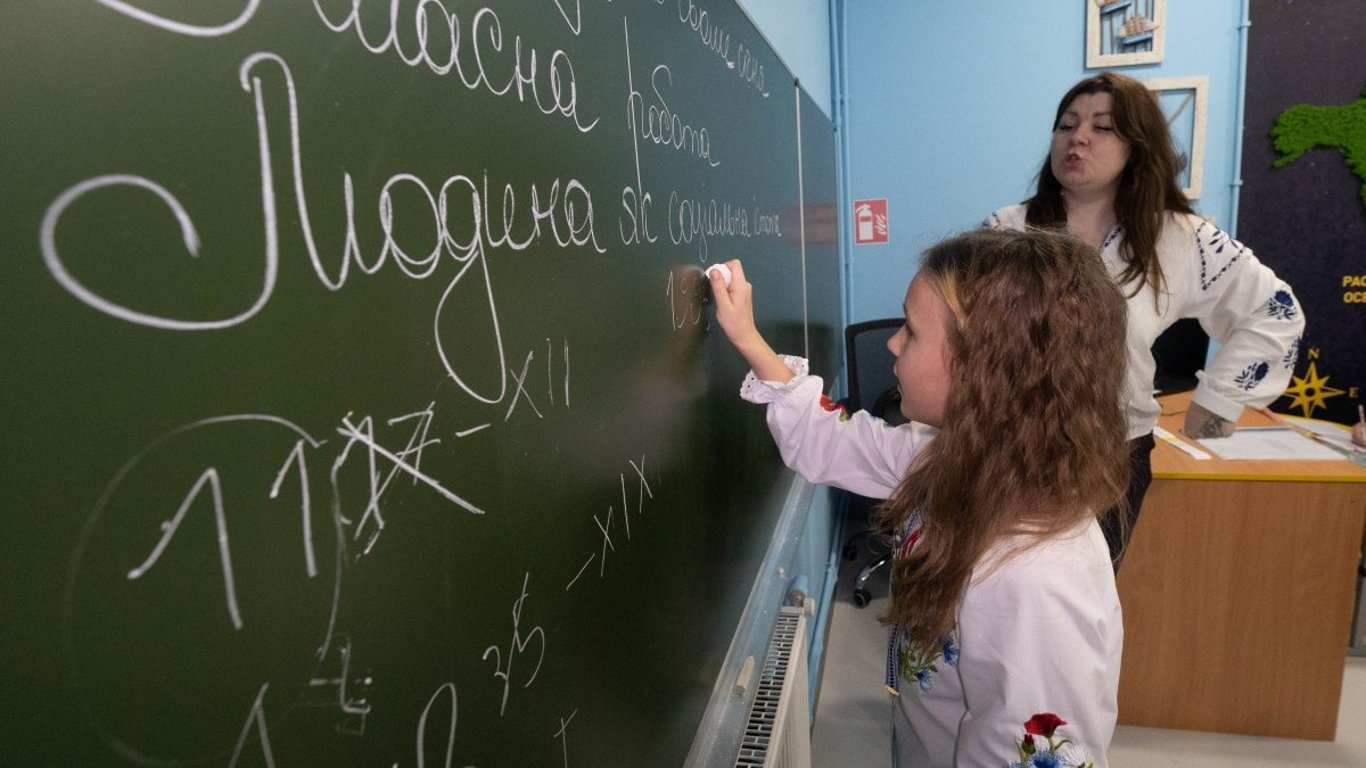
According to Novyny.live: Despite a planned 30% increase in base salaries effective January 1, 2026, teachers in Ukraine continue to face low wages that fail to address the core issue. By March 2026, the minimum monthly base pay for educators is projected to range between 8,841 and 11,755.80 hryvnias. However, teachers may qualify for additional allowances of up to 50% tied to job complexity and intensity, which can boost their overall earnings.
Projected Earnings Including Allowances
When factoring in the maximum 50% allowance, potential salaries break down as follows:
- Teachers without a category: 13,261 hryvnias,
- Second category: 15,447 hryvnias,
- First category: 16,542 hryvnias,
- Highest category: 17,634 hryvnias.
It is important to note that actual take-home pay will be reduced by an 18% personal income tax and a 5% military levy, significantly affecting net income.
Additionally, the minimum hourly rate for a teacher is 55 hryvnias. For instance, Ruslan Ihorovych, who works 1.75 times the standard load—equating to 31.5 hours per week—could earn around 26,000 hryvnias monthly. The government has also scheduled a further 20% increase in base salaries for September 1, 2026, which may offer some relief.
Educators may also receive bonuses for handling complex or demanding tasks, taking on additional responsibilities, managing large workloads, or demonstrating quality and timeliness in their duties. Allowances for pedagogical titles range from 10% to 15%. Despite these positive steps, the challenge of ensuring fair compensation for Ukraine’s teachers remains pressing.
The issue of low teacher salaries in Ukraine has sparked concern and criticism from educators, parents, and the broader public for many years. — Education Expert
While the planned salary hike is a welcome development, it does not fully offset rising living costs. Ongoing dialogue about educational reforms is crucial to secure dignified working conditions for teachers and quality education for students.
Read also
- 4.6 Million Displaced People Left Without Homes: Why Government Aid Programs Are Failing Ukraine’s IDPs
- Syrskyi Reprimands Major Filimonov: Inside the 108th Battalion Controversy
- 100,000 Dolphins Killed in the Black Sea – War Is the Main Cause
- 1943 Mass Grave of Conflict Victims Discovered by Polish and Ukrainian Archaeologists
- Crimes Against Ukrainians in Poland Surge to Shocking Levels
- Why Historian Valeriy Vozgrin's Untold Story of the Crimean Tatars Matters Now