Who Will Represent the U.S. in Geneva Talks with Ukraine and Russia?.

Trilateral Talks in Geneva: Ukraine, Russia, and the United States
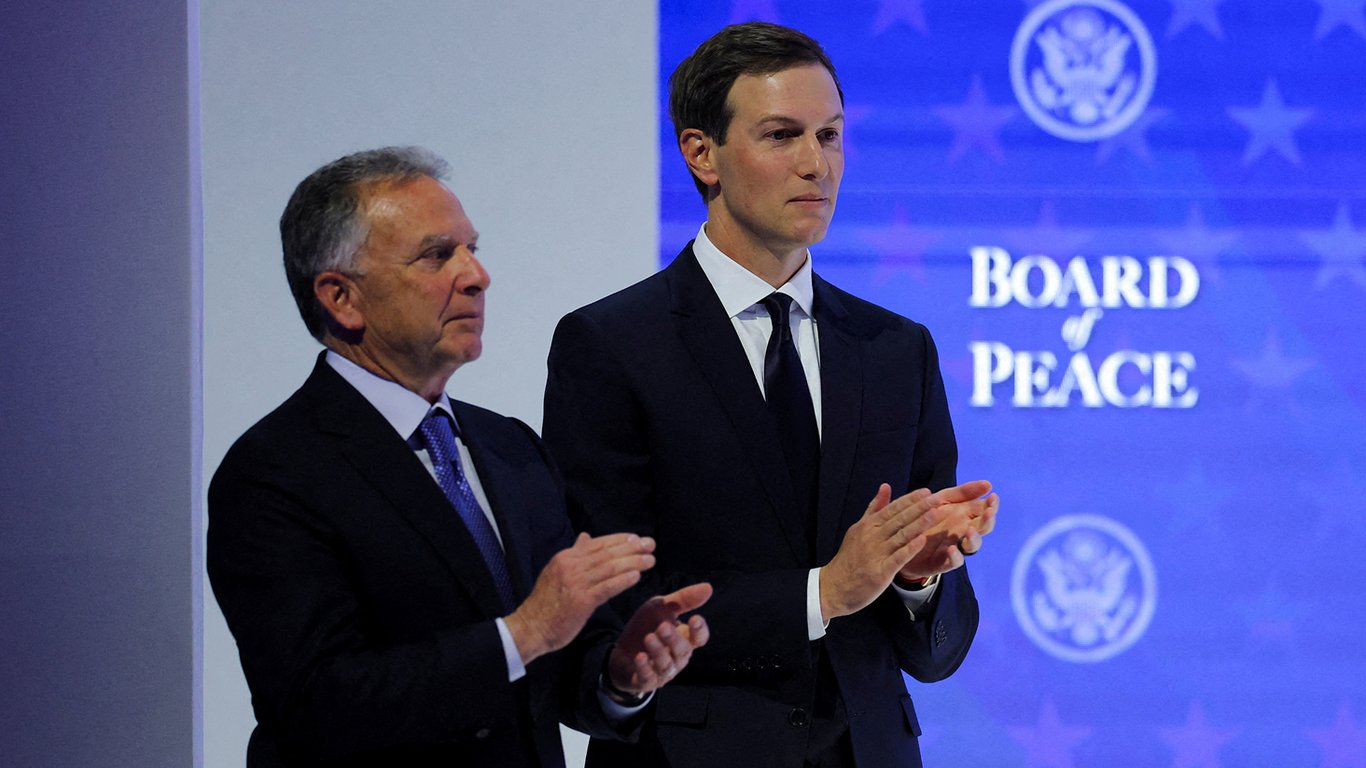
According to Novyny.live: U.S. Special Envoy Steve Witkoff and son-in-law Jared Kushner have traveled to Geneva to participate in talks between Ukraine, Russia, and the United States scheduled for February 17-18. These meetings mark the first round of discussions among the three nations' delegations, aimed at resolving pressing issues. The talks are a significant diplomatic effort to address tensions that have persisted since Russia's annexation of Crimea in 2014.
The initial meetings of the Ukrainian, Russian, and U.S. delegations are planned for February 17. The participation of Witkoff and Kushner across two separate negotiation tracks underscores the importance the U.S. places on these discussions. The Russian delegation, which arrived in Switzerland via a southern air route after Germany and Poland denied overflight permission, is led by Russian Presidential Aide Vladimir Medinsky. The Russian delegation comprises over 20 individuals.
In preparation for the negotiations, the Russian delegation received clear instructions to operate within the framework of agreements reached during the U.S.-Russia presidential summit in Alaska, as noted by Sergey Ryabkov. Meanwhile, the Ukrainian delegation, according to Rustem Umerov, arrived in Geneva a day early, signaling Ukraine's readiness for constructive dialogue.
Core Issues on the Agenda
The negotiations will follow a Ukraine-Russia-U.S. format, and their outcomes could significantly influence the future relations between the parties. Key topics concerning regional security and stability are expected to be discussed during the meetings.
These talks could become a crucial step in resolving the conflict between Ukraine and Russia, as the involvement of the U.S. as a mediator highlights the international community's vested interest in regional stability. The results may define the subsequent political dynamics and strategies of the participating nations, with potential long-term consequences for European security.
Read also
- EU Adopts 21st Sanctions Package Against Russia: What It Means for Oil and Banking
- Zelensky Warns of Black Sea Grain Corridor Blockade as Ukraine Calls UN Security Council Meeting
- EU sanctions on Russia slow down as member states prioritize economic interests
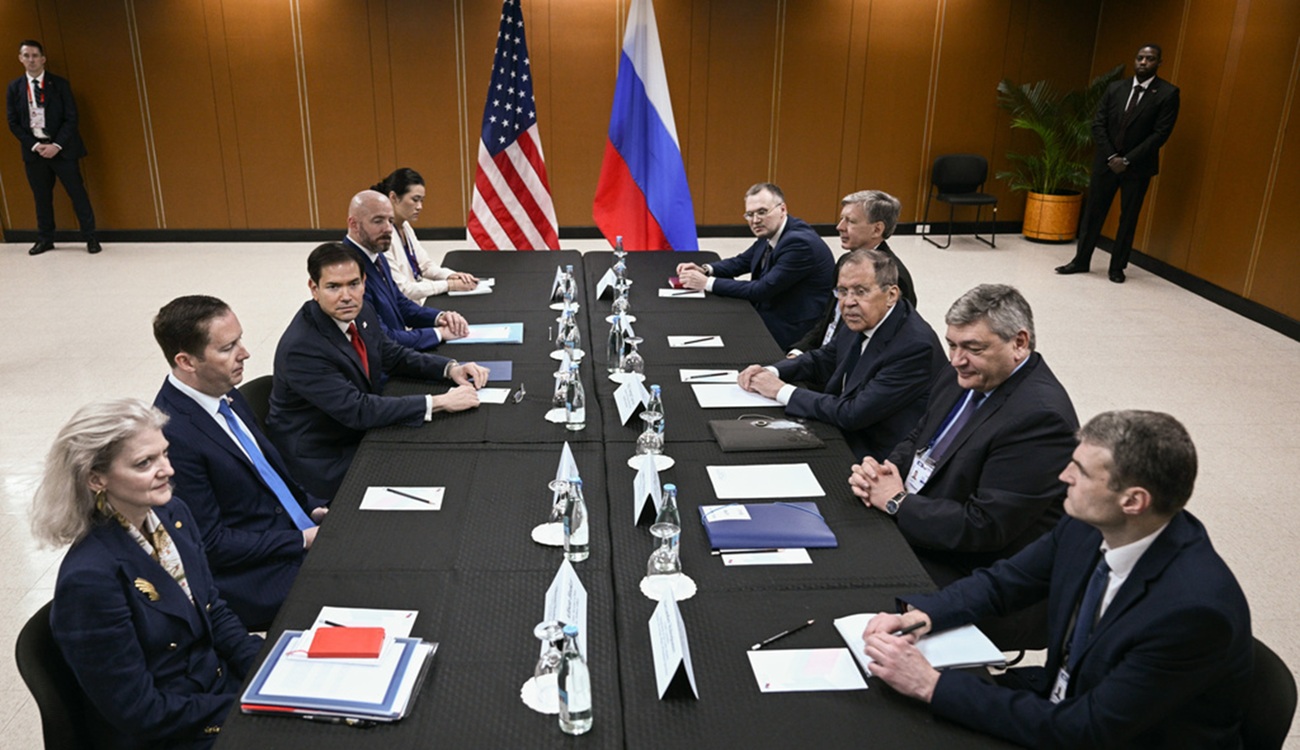
- A 35-Minute Manila Meeting Between Rubio and Lavrov Puts Ukraine War at the Center of Talks
- Latvia Moves to Ban Imports from Russia and Belarus: Here's What Will Be Blocked
- Poland Faces Thousands of Daily Cyberattacks from Russia, Deputy PM Calls It Hybrid Warfare